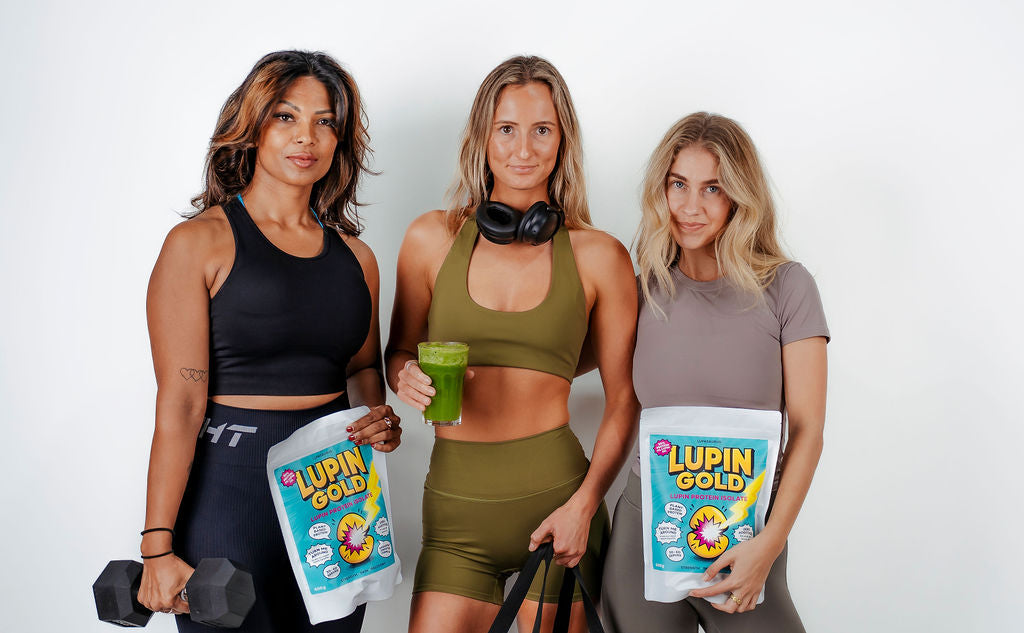


Skin, hair and nails are built from protein. To maintain them, your body needs the right amino acids consistently — not a sweetened collagen supplement or a dessert-flavoured shake. Here's what the research actually says, and where a clean complete protein fits in.
Quick navigation
This content is general information only. It does not replace medical or dermatological advice. Please consult your healthcare professional for personalised guidance.
What Your Skin and Hair Actually Need
Skin, hair and nails are all primarily made of protein. Collagen and elastin give skin its structure and elasticity. Keratin forms the shaft of each hair strand. These proteins are constantly being broken down and rebuilt — a process that requires a steady supply of amino acids from your diet.
When overall dietary protein is consistently low, the body deprioritises non-essential functions — including the rate at which it produces structural proteins for hair and skin. This is why adequate daily protein intake is commonly associated with hair strength and skin maintenance in nutritional research.
Essential amino acids (EAAs)
Your body cannot make the nine essential amino acids — you have to consume them. EAAs are involved in the normal production of collagen, elastin and keratin. A complete protein source provides all nine in a single serve.
Specific amino acids commonly discussed
Glycine and proline are involved in collagen structure. Cysteine and methionine (sulphur amino acids) are involved in keratin formation. Lysine plays a role in collagen crosslinking. All are present in a complete protein source.
Collagen vs Complete Protein — What's the Difference?
Collagen supplements are heavily marketed for skin and hair. They are worth understanding clearly before choosing between them and a complete protein.
| Feature | Collagen peptides | Complete protein (e.g. lupin isolate) |
|---|---|---|
| Amino acid profile | Rich in glycine and proline — not a complete protein, lacks tryptophan | All nine essential amino acids |
| Protein content | Typically 70-85% protein | ~90% protein (lupin isolate) |
| Whole-body protein synthesis | Limited — incomplete EAA profile | Supports full protein synthesis across muscle, skin, hair |
| Source | Animal-derived (bovine, marine) | Plant-based |
| Practical use | Good targeted add-on | Better daily foundation |
Collagen can be a useful addition — particularly for people who want the specific glycine and proline-rich peptide profile. But as a daily protein foundation for whole-body protein synthesis, a complete protein source is the more comprehensive choice. If budget or simplicity matters, start with complete protein first.
Why Lupin Protein Suits This Goal
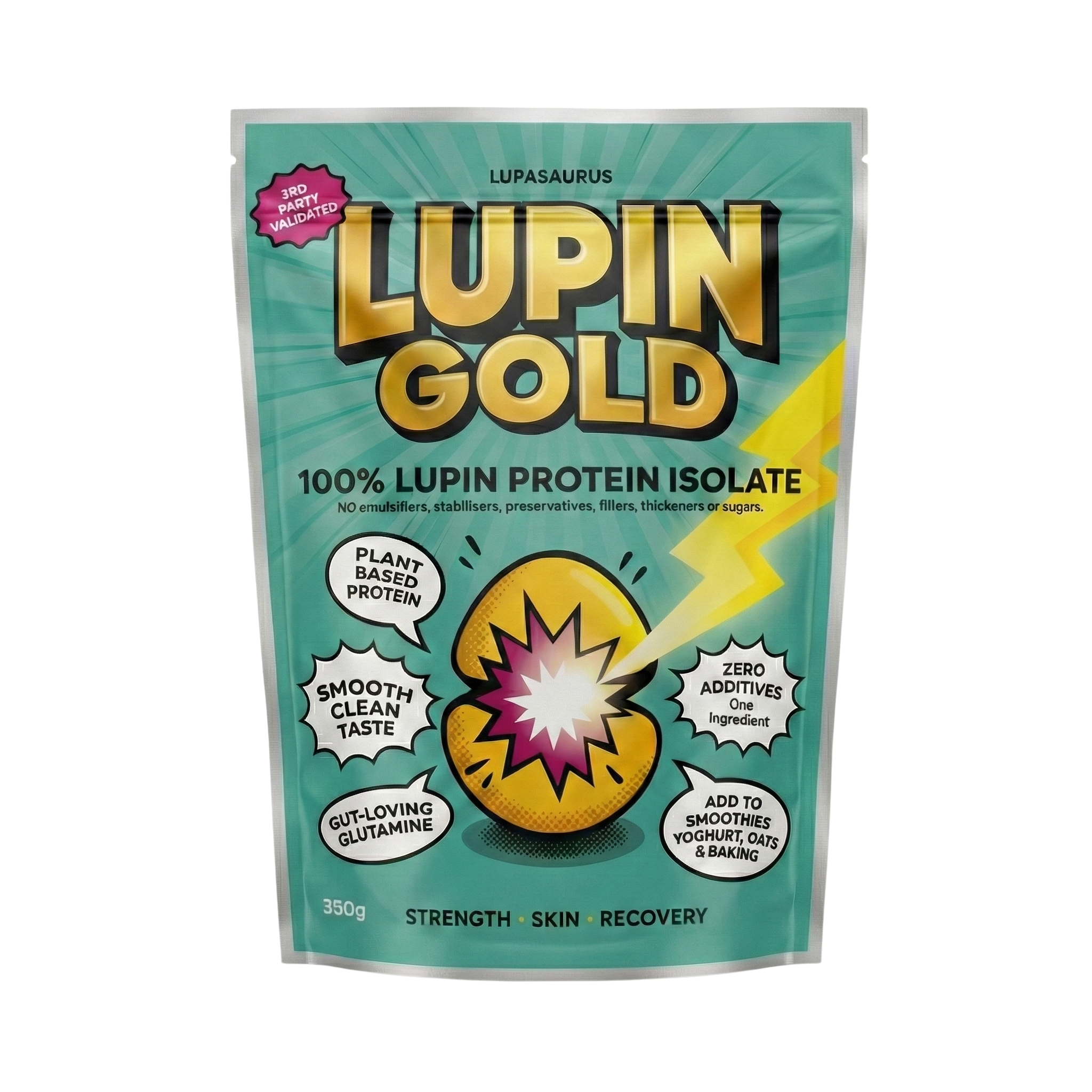
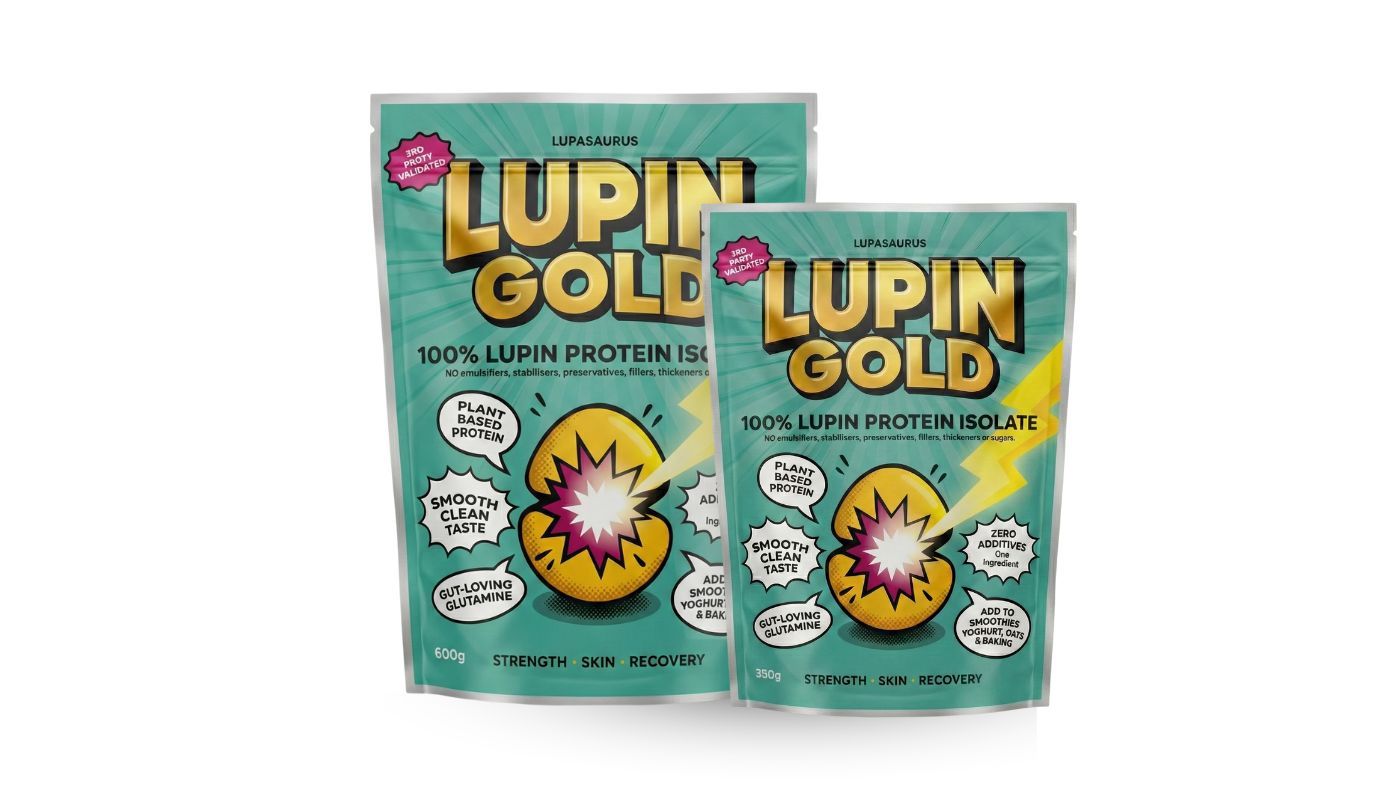
Lupin protein isolate is a single-ingredient complete plant protein. For people focused on everyday nutrition for skin and hair, it has a few practical advantages over heavily formulated alternatives.
- Complete amino acid profile — all nine EAAs including cysteine, methionine, lysine and leucine, involved in structural protein production
- ~90% protein content with a digestibility score of ~0.96 — one of the highest of any plant protein
- No sweeteners, gums or flavour systems — single ingredient, nothing to cause digestive sensitivity or aftertaste
- Naturally occurring prebiotic fibre — no added gums, just the fibre naturally present in lupin isolate
- Neutral taste — works in smoothies, oats, yoghurt, baking and savoury cooking without changing flavour
- Dairy-free, soy-free — suitable for people avoiding common allergens
Allergen note: lupin is a declared allergen in Australia. People with peanut or legume allergies should review our allergen information page before use.

Founder note (Harvie and Kobi): We did not set out to make a "beauty" supplement. We set out to make a protein that bodies actually like, and the skin and hair benefits follow from getting the nutrition right consistently.
Simple Daily Routines
Consistency matters more than any single meal. These are two simple ways to build adequate protein into your daily routine without it becoming a chore.
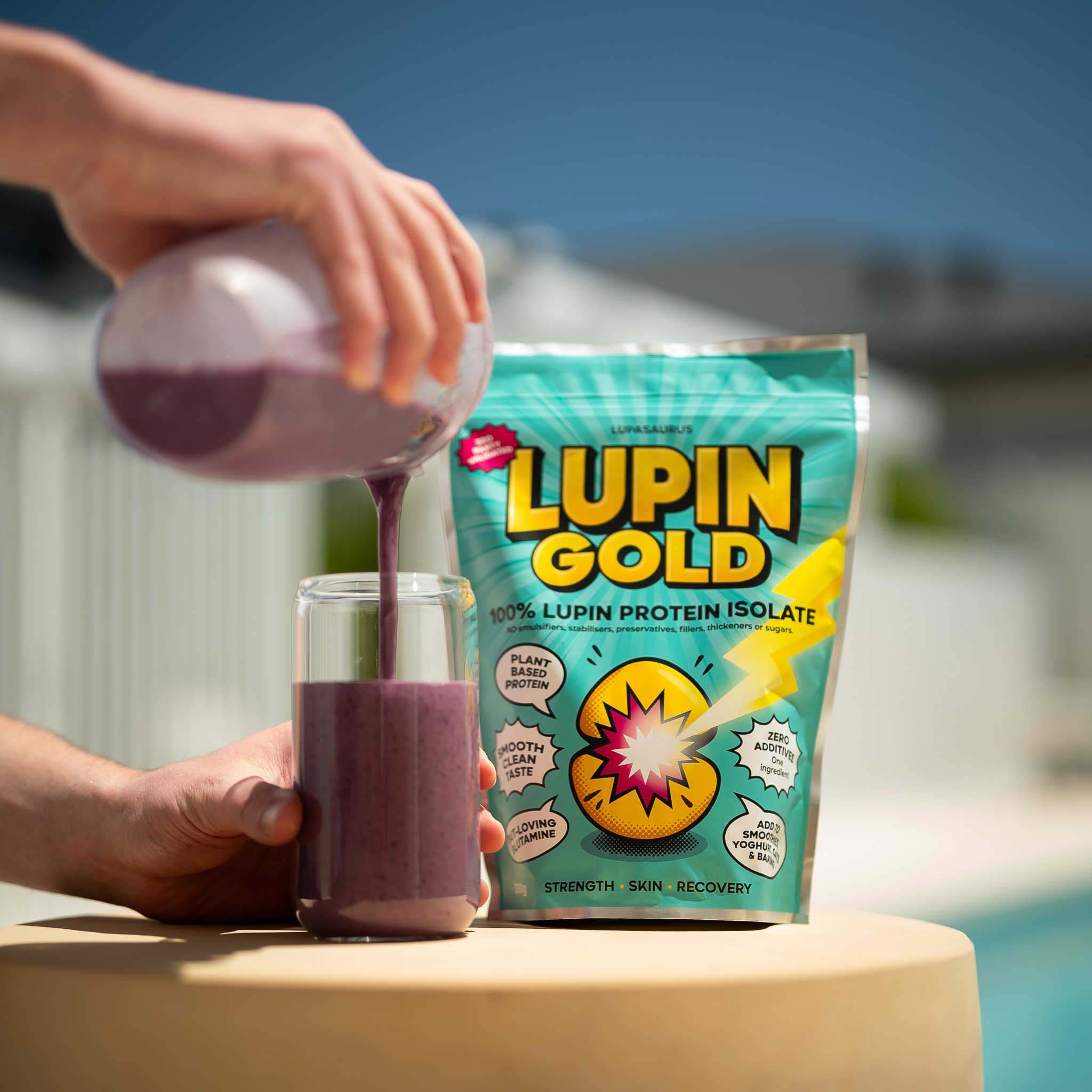
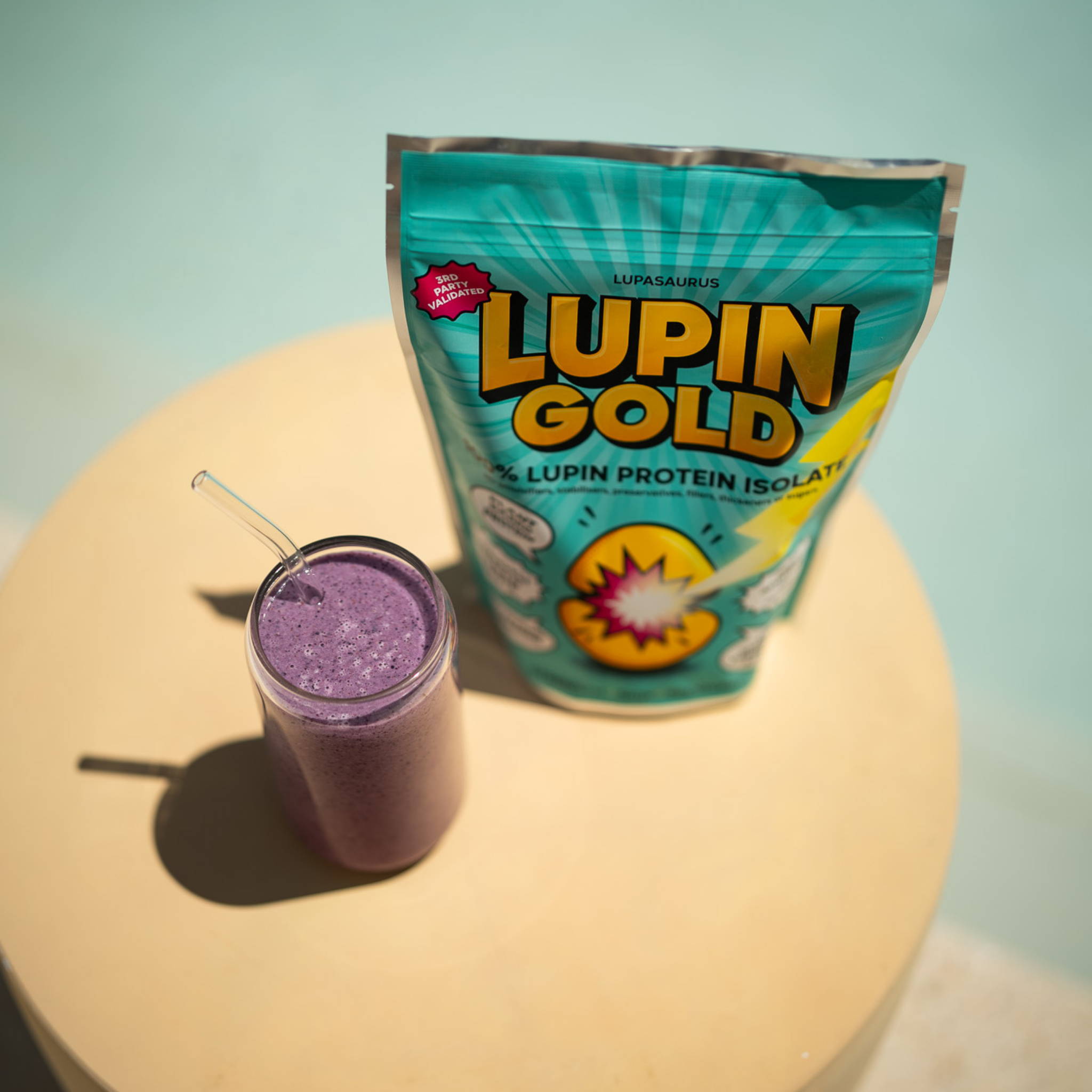
Everyday smoothie (5 minutes)
- 1 serve Lupin Gold
- 1 banana or handful of berries
- 1 tbsp nut butter
- Water or milk of choice
- Ice — blend and done
Overnight oats
- 1/2 cup rolled oats
- 1 serve Lupin Gold
- 1 tbsp chia seeds
- 2/3 cup milk of choice
- Pinch of cinnamon
- In the fridge overnight — top with berries in the morning
Browse the full Lupin Gold recipe hub for more ideas.
Ready to try it?
Shop plant-based protein powderRelated: L-arginine and hair nutrition - unflavoured protein powder - allergen information
FAQs
Is protein good for skin and hair?
Adequate dietary protein is commonly associated with skin and hair maintenance because both are primarily made of protein. Skin relies on collagen and elastin — structural proteins built from amino acids. Hair is made of keratin, also a protein. When overall dietary protein is consistently low, the body deprioritises structural protein production for skin and hair. A complete protein source providing all nine essential amino acids is the most practical daily foundation.
Is collagen or protein powder better for skin?
For whole-body protein synthesis — which includes skin, hair, muscle and connective tissue — a complete protein source is the more comprehensive foundation. Collagen peptides are rich in glycine and proline but lack tryptophan, making them an incomplete protein. They can be a useful targeted addition, but as a daily protein base, a complete plant protein like lupin isolate covers more nutritional ground. If budget or simplicity is a factor, start with complete protein.
What amino acids are important for skin and hair?
Several amino acids are commonly discussed in the context of skin and hair nutrition. Glycine and proline are involved in collagen structure. Cysteine and methionine are sulphur amino acids involved in keratin formation. Lysine plays a role in collagen crosslinking. Arginine is involved in circulation which plays a role in nutrient delivery to hair follicles. A complete protein source provides all of these alongside the nine essential amino acids your body cannot produce on its own.
Can I use lupin protein and collagen together?
Yes. Think of lupin protein isolate as your daily complete protein foundation — providing all nine essential amino acids for whole-body protein synthesis including skin, hair and muscle. Collagen can be added as a targeted supplement if you want the specific glycine and proline-rich peptide profile. Start with the complete protein foundation and add collagen if you choose to.
Is lupin protein suitable for people sensitive to whey or soy?
Yes. Lupin Gold is dairy-free and soy-free with a single-ingredient formulation — no gums, sweeteners or fillers that commonly cause digestive sensitivity. Note that lupin is itself a declared allergen in Australia — people with peanut or other legume allergies should review our allergen information and consult a healthcare professional before use.
How much protein do I need for healthy skin and hair?
There is no specific protein target established for skin or hair health separate from general protein recommendations. Most adults benefit from 1.2 to 2.0g of protein per kg of body weight per day depending on activity level. Consistently hitting your daily protein target from a complete source is the most practical approach — rather than focusing on any specific supplement for skin or hair outcomes.
The summary
Skin and hair are built from protein. A complete, digestible protein source that you can use consistently every day is the most practical nutritional foundation — not a sweetened supplement or a heavily marketed collagen product. Keep it simple, keep it consistent.
Disclaimer: This article is for general information only and reflects our own research and understanding at the time of writing. We are not scientists, and information may evolve. It is not individual medical advice - please speak with your healthcare professional for personalised guidance.