

Soy is one of the most common protein powder bases on the market - and one of the most commonly avoided. Whether it's allergies, digestive sensitivity, or a preference for cleaner labels, more Australians are actively looking for soy-free protein powder options. Here's what to know and what to look for.
Quick navigation
Why People Avoid Soy Protein
Soy is cheap, widely available, and technically a complete protein. So why are so many people looking for alternatives? The reasons vary but the most common ones are:
Allergies and intolerances
Soy is one of the top declared allergens in Australia under FSANZ. For people with soy allergy or sensitivity, even small amounts can cause digestive distress, skin reactions or other symptoms. Cross-contamination in manufacturing is also a concern for highly sensitive individuals.
Digestive discomfort
Many people report bloating, gas or stomach discomfort after soy-based protein shakes. Soy contains oligosaccharides and other compounds that can be harder to digest, particularly in concentrate form. Even soy isolates can cause issues for sensitive digestive systems.
Phytoestrogens
Soy contains isoflavones, plant compounds that are structurally similar to oestrogen. The evidence on whether dietary soy isoflavones meaningfully affect hormone levels in healthy adults is mixed, but many people prefer to avoid them as a precaution - particularly those managing hormonal conditions.
Environmental concerns
A significant portion of global soy production is linked to land clearing, particularly in South America. While not all soy carries the same footprint, many people looking for sustainable protein sources choose to avoid it on environmental grounds.
What to Look For in a Soy-Free Protein Powder
Not all soy-free protein powders are created equal. Removing soy is only part of the equation - what replaces it matters just as much. Here's what to check:
- Confirmed soy-free manufacturing - check whether the product is made in a facility that also processes soy, as cross-contamination is a risk for allergic individuals
- High protein content - look for isolates over concentrates; isolates typically deliver 85-90%+ protein per 100g vs 60-80% for concentrates
- High digestibility - a digestibility score (PDCAAS or DIAAS) above 0.9 means your body is actually absorbing what's on the label
- Complete amino acid profile - not all plant proteins contain all nine essential amino acids; check the label or look for products that specifically state "complete protein"
- Clean ingredient list - many soy-free options still contain gums, stevia, artificial sweeteners or fillers; fewer ingredients is generally better
- Clear allergen labelling - FSANZ requires declared allergens to be clearly listed; confirm the product complies
The Best Soy-Free Protein Alternatives
If you're avoiding soy, here are the main alternatives and how they stack up:
| Protein source | Protein content | Complete protein? | Common issues | Best for |
|---|---|---|---|---|
| Lupin isolate | ~90% | Yes | Legume allergen for some | Clean label, gut comfort, cooking |
| Whey isolate | ~90% | Yes | Dairy-based; not suitable for lactose intolerant or vegan | Muscle recovery if dairy is tolerated |
| Pea isolate | ~82-85% | Low in methionine | Earthy taste, can cause bloating | Vegan, widely available |
| Rice protein | ~70-80% | Low in lysine | Lower protein content, often blended | Hypoallergenic options |
| Hemp protein | ~50-60% | Near-complete | Lower protein content, strong taste | Whole food nutrition approach |
For people wanting a soy-free, dairy-free option with high protein content and a complete amino acid profile, lupin protein isolate and whey isolate are the strongest choices. For those also avoiding dairy, lupin is one of the few complete plant proteins available at high purity.
Lupin vs Soy: A Direct Comparison

| Feature | Soy protein isolate | Lupin Gold |
|---|---|---|
| Protein content | ~90% | ~90% |
| Digestibility | ~0.95 PDCAAS | ~0.96 PDCAAS |
| Complete protein | Yes | Yes |
| Allergen status | Declared allergen in AU | Declared allergen in AU |
| Phytoestrogens | Contains isoflavones | None |
| Sweeteners / fillers | Often includes gums and stevia | None - pure lupin isolate |
| Environmental footprint | Varies; sourcing concerns in some regions | Nitrogen-fixing; grows in low-fertility soils |
Note: both lupin and soy are declared allergens in Australia. People with legume allergies should review our allergen information page before use.
Why Lupin Gold Is Soy-Free
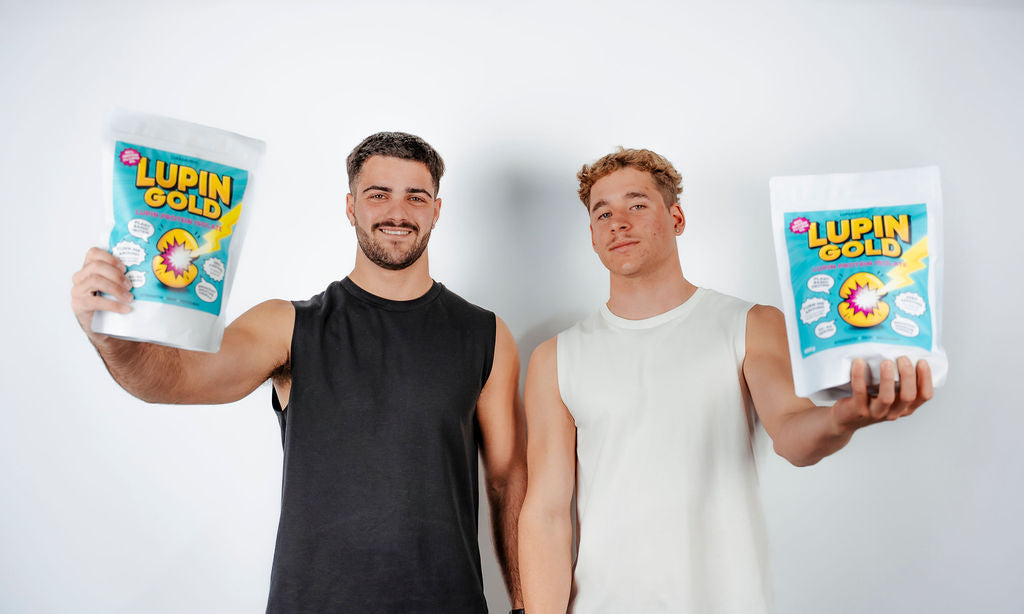
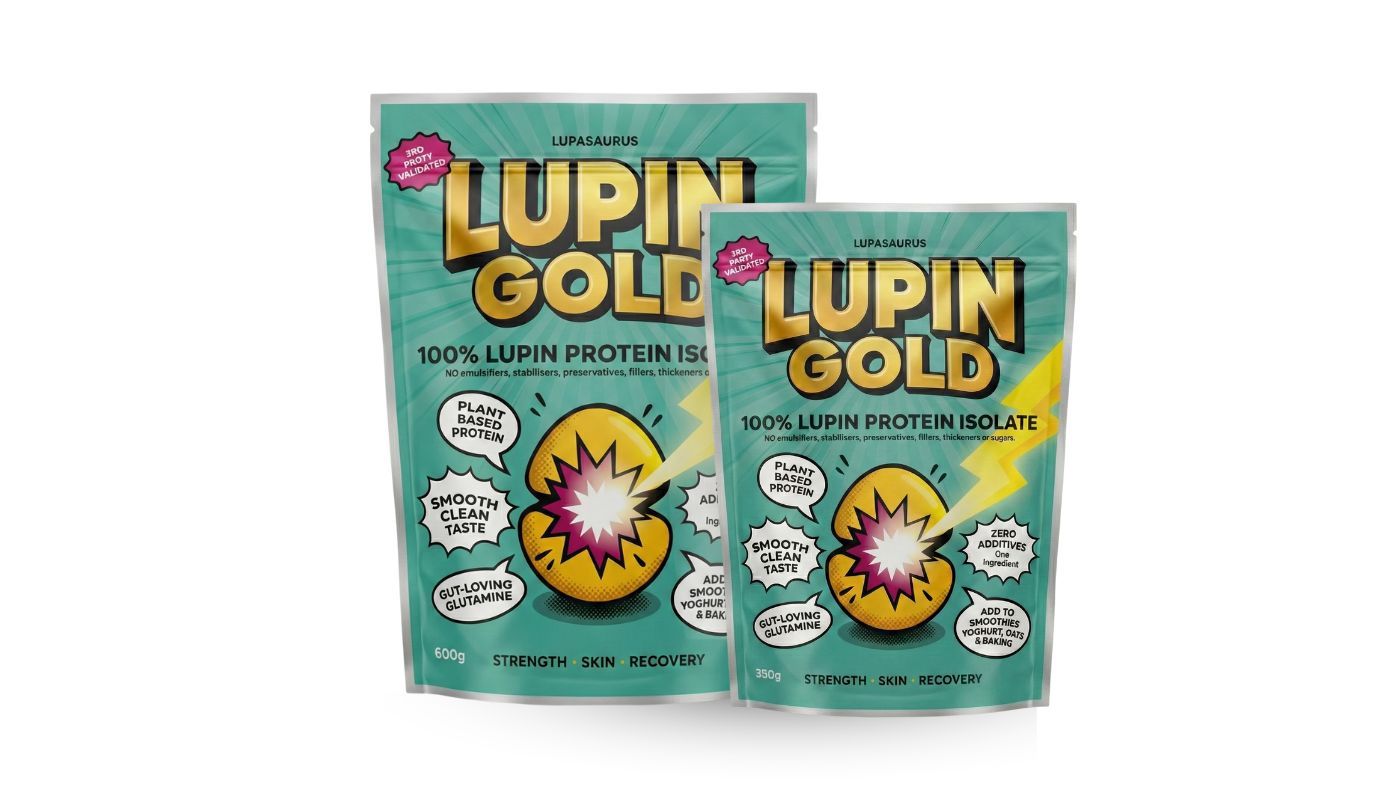
Lupin Gold is a single-ingredient lupin protein isolate - no soy, no dairy, no gluten, no gums, no stevia, no artificial sweeteners. One ingredient. That's it.
- ~90% protein content with a digestibility score of ~0.96
- Complete amino acid profile including all nine essential amino acids
- Naturally occurring prebiotic fibre - no added gums or fillers
- Soy-free, dairy-free, stevia-free - confirmed on every batch
- Neutral taste - works in smoothies, oats, yoghurt, baking and savoury cooking

Ready to switch?
- Soy-free, dairy-free, gluten-free, stevia-free
- ~90% protein isolate, ~96% digestibility
- Single ingredient - nothing hidden
- Works in smoothies, oats, yoghurt and baking
Related: gluten-free and dairy-free protein powder - lupin vs soy vs pea vs whey comparison - allergen information
FAQs
What is the best soy-free protein powder in Australia?
The best soy-free protein powder depends on your dietary needs. For people avoiding both soy and dairy, lupin protein isolate is one of the strongest options - it delivers ~90% protein, a complete amino acid profile, and a digestibility score of ~0.96. It's also free from gums, stevia and artificial sweeteners. Whey isolate is another high-quality option but is dairy-based and not suitable for vegans or people with lactose sensitivity.
Is lupin protein soy-free?
Yes. Lupin Gold is made from pure lupin protein isolate with no soy, dairy, gluten, gums or artificial sweeteners. Lupin is a legume in the same family as soy, but it is a completely different ingredient. It is, however, a declared allergen in Australia - people with legume or peanut allergies should check our allergen information page before use.
Is pea protein soy-free?
Yes, pea protein is naturally soy-free. However, it is lower in protein content than lupin or soy isolates (typically ~82-85% vs ~90%), and some people find it harder on digestion or dislike the earthy taste. It's also low in methionine, so it's not a complete protein on its own without pairing with other amino acid sources.
Does soy protein affect hormones?
Soy contains isoflavones, plant compounds that are structurally similar to oestrogen. The research on whether typical dietary amounts of soy meaningfully affect hormone levels in healthy adults is mixed - most studies suggest moderate soy consumption is safe for most people. However, individuals with hormonal conditions or specific sensitivities sometimes choose to avoid it. Speak with a healthcare professional if this is a concern for you.
What protein powder is best for people with soy and dairy allergies?
For people avoiding both soy and dairy, the main options are lupin protein isolate, pea protein isolate, rice protein and hemp protein. Of these, lupin protein isolate is the only one that provides a complete amino acid profile at high protein content (~90%) with high digestibility (~0.96). It's also free from the gums and sweeteners found in many blended plant protein products. Note that lupin is itself a declared allergen - check with your allergist if you have legume sensitivities.
Is whey protein soy-free?
Whey protein itself is derived from dairy, not soy, so it is naturally soy-free. However, some whey protein products are manufactured in facilities that also process soy, which can be a cross-contamination risk for people with soy allergies. Always check the allergen statement on the specific product you're buying. Whey is also not suitable for people avoiding dairy, vegans or those with lactose intolerance.
Disclaimer: This article is for general information only and reflects our own research and understanding at the time of writing. We are not scientists, and information may evolve. It is not individual medical advice - please speak with your healthcare professional for personalised guidance.