
Choosing a protein powder when you are gluten-free or dairy-free should not feel complicated. In practice, labels are unclear, ingredient lists are bloated, and many products rely on fillers rather than quality protein. This guide explains what to look for and how common protein types compare.
Ready to shop instead of research? Start here: Gluten-Free & Dairy-Free Protein Powder collection
This page is informational and does not rank products.

What Does Gluten-Free and Dairy-Free Mean?
- Gluten-free in Australia is a regulated claim that requires no detectable gluten.
- Dairy-free means no milk-derived ingredients such as whey or casein.
- Phrases like “no added gluten” do not meet gluten-free standards.
Reference: FSANZ and Coeliac Australia labelling guidance.
Dairy-Free and Lactose-Free Are Not the Same Thing
These two get used interchangeably on packaging and they mean different things, which matters if you are choosing on the basis of a reaction you have had.
- Lactose-free means the milk sugar has been removed or broken down. The product can still contain milk protein.
- Dairy-free means no milk-derived ingredient at all, including whey, casein, caseinates and milk solids.
If you are lactose intolerant, the issue is the sugar, and a lactose-free dairy product may be fine. If you are avoiding dairy for an allergy or by choice, lactose-free is not enough, because casein and whey are proteins rather than sugars and survive that process. A plant protein sidesteps both at once: there is no lactose and no milk protein in it to begin with.
How to Assess a Gluten-Free Protein Powder
- Confirm the claim. Look for an explicit gluten-free statement.
- Check cross-contact notes. Shared facilities matter for coeliac consumers.
- Read the ingredients. Gums, sweeteners and flavours affect digestion.
- Review allergens. Lupin is a declared allergen and must be assessed.
- Consider tolerance. Digestive comfort often depends on additives.
What Else Matters Beyond Being Gluten-Free?
Protein concentration
Higher protein per 100 g usually means fewer fillers and less unnecessary processing.
Amino acid profile
Complete proteins contain all essential amino acids, which many plant sources provide.
Texture and digestion
Texture issues and bloating are often caused by additives rather than the protein itself.
Common Gluten-Free and Dairy-Free Protein Types
| Protein type | Protein per 100 g | Texture | Considerations |
|---|---|---|---|
| Lupin isolate | Approx. 90% | Smooth and neutral | Declared legume allergen. Check suitability. |
| Pea isolate | Approx. 80 to 85% | Earthy, sometimes gritty | May cause bloating for some people. |
| Brown rice protein | Approx. 75 to 80% | Chalkier texture | Often blended. Always verify gluten-free status. |
| Hemp protein | Approx. 50 to 60% | Coarser and nutty | Lower protein density. More wholefood focused. |
One Clean Example: Lupin Gold
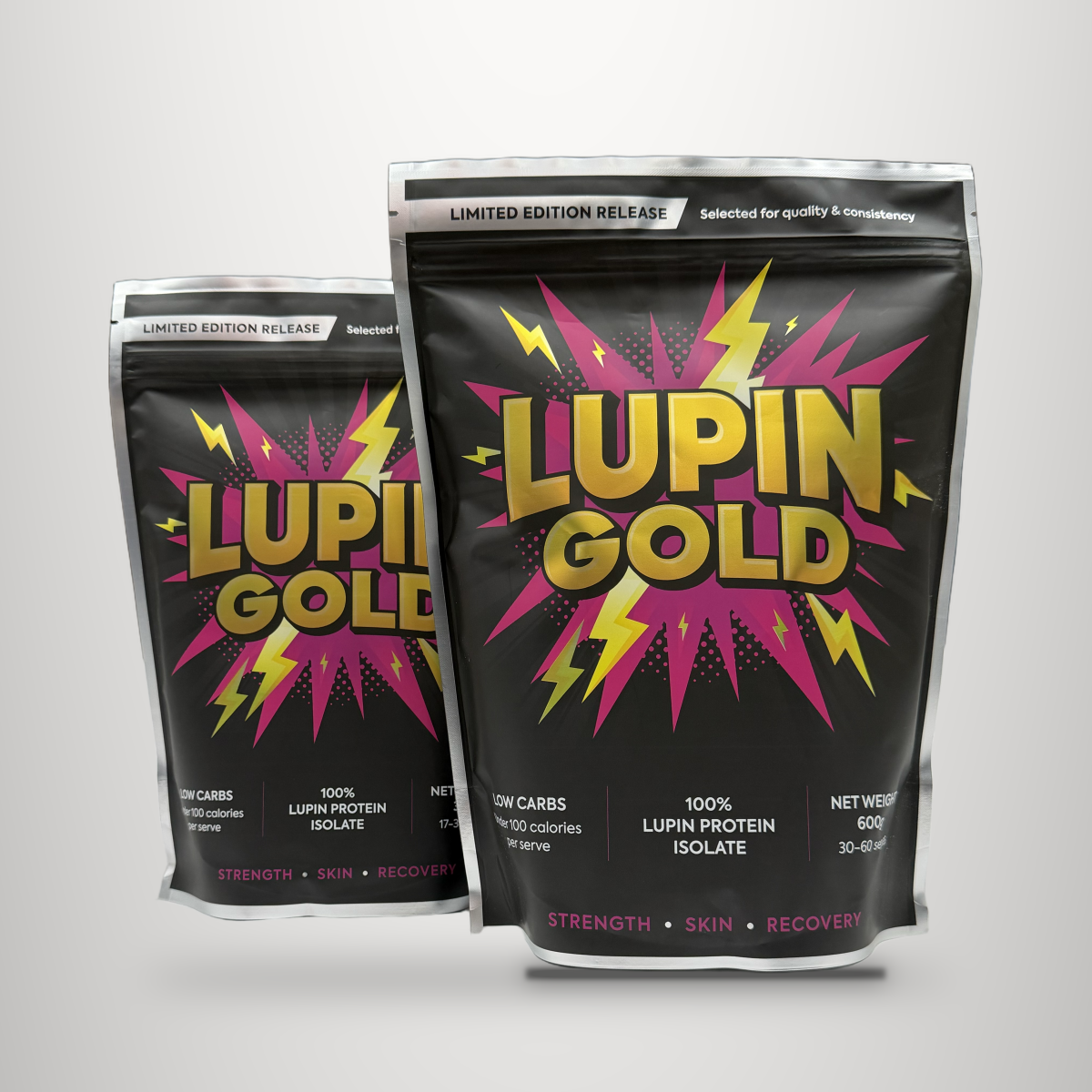
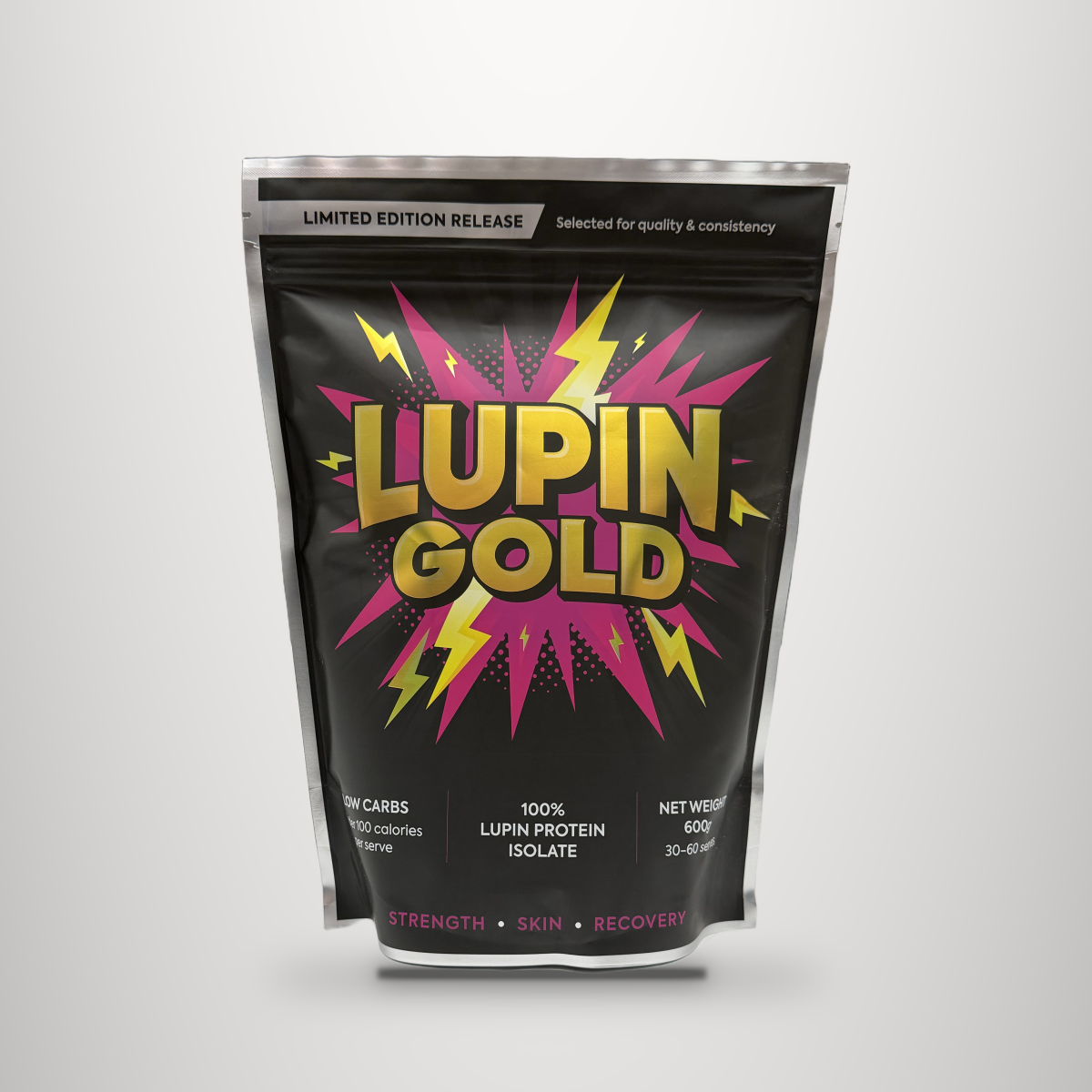
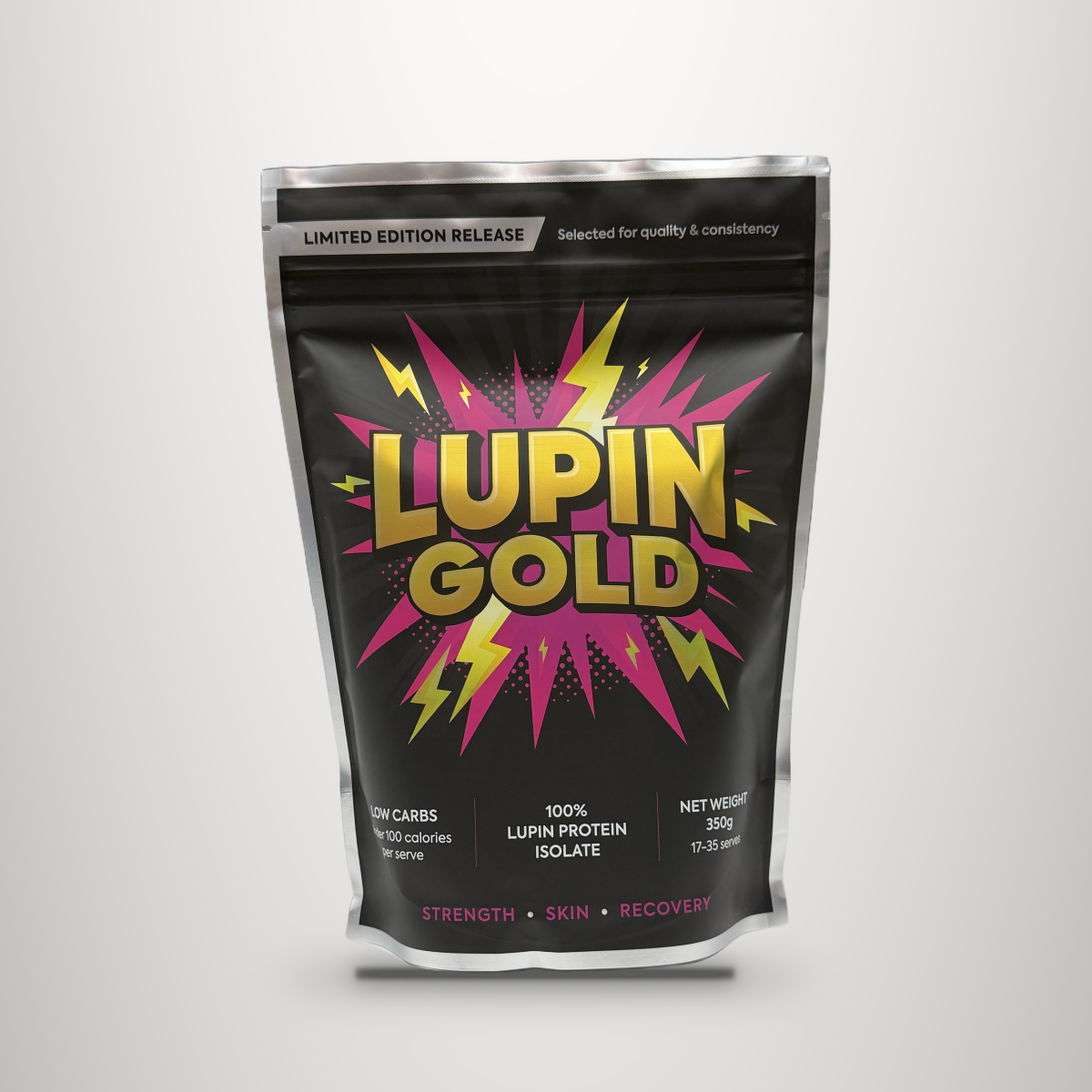
Some people prefer single-ingredient protein powders to avoid unnecessary additives. Lupin Gold is a single-ingredient, dairy-free protein isolate made from sweet lupin.
- Single ingredient with no flavours, gums or sweeteners
- High protein concentration
- Neutral taste suited to smoothies, oats and baking
FAQs
Is “no added gluten” the same as gluten-free?
No. In Australia “gluten free” is a regulated claim and requires no detectable gluten. “No added gluten” only means no gluten-containing ingredient was deliberately included, and it says nothing about cross-contact during growing, milling or packing, so the product can still test positive. If you are coeliac, treat the two as entirely different claims and look for the regulated one.
Is whey protein dairy-free?
No. Whey and casein are both milk proteins, so neither is dairy free. Whey protein isolate is lower in lactose than whey concentrate, which is why some lactose-intolerant people tolerate it better, but it remains a dairy product and is unsuitable for anyone avoiding dairy for allergy or dietary reasons. Plant isolates such as lupin, pea and rice contain no dairy at all.
Is dairy-free protein powder suitable for lactose intolerance?
Yes, and it removes the variable rather than reducing it. Lactose intolerance is difficulty digesting lactose, the sugar in milk. Whey concentrate retains more lactose than whey isolate, which is why people often react to one whey product and not another. A plant protein contains no lactose at all, so there is nothing there to react to. If dairy is your trigger, a plant isolate is the simplest way to rule it out entirely.
What does dairy-free actually exclude?
Milk, whey, casein, caseinates, milk solids, lactose and milk-derived flavourings. It is broader than lactose free, because a lactose-free product can still contain milk protein. If you are avoiding dairy rather than just lactose, check the ingredient list for casein and whey specifically, not only the word lactose.
Can a protein powder be dairy-free and still upset your stomach?
Often, and the protein source is usually not the cause. Gums such as xanthan and guar, sugar alcohols, stevia and added flavours are common triggers, and blended plant proteins tend to contain more of them because they need help with taste and texture. If you have already switched away from dairy and still feel bloated, read the rest of the ingredient list before blaming the protein itself.
What should coeliac consumers prioritise?
Two things above all. First, an explicit gluten-free claim rather than softer wording like “no added gluten”. Second, a clear statement about cross-contact and shared facilities, because a powder made from a naturally gluten-free source can still pick up gluten in a facility that also handles wheat. Independent batch testing is the strongest signal a brand can give you.
Ready to Choose?
Compare suitable options in one place via the collection page below.
Shop Gluten-Free & Dairy-Free Protein PowderDisclaimer: This content is general information only and does not replace medical advice.