
Healthy hair relies on protein-rich nutrition and efficient scalp circulation. This article looks at how the amino acid L-arginine — found naturally in lupin protein — is involved in nitric oxide production, keratin synthesis and scalp blood flow, and what the emerging research actually says.
Evidence at a glance
| Key point | What it means | Why it matters |
|---|---|---|
| Nitric oxide & microcirculation | L-arginine is a precursor to nitric oxide, which is involved in blood vessel dilation. | Scalp circulation is commonly associated with nutrient delivery to hair follicles. |
| VEGF & nutrient delivery | Arginine is associated with vascular endothelial growth factor (VEGF) activity in some studies. | Supports blood vessel formation around hair roots in animal models. |
| Collagen & keratin synthesis | Arginine contributes to proline and polyamines. | These are involved in scalp tissue integrity and hair shaft structure. |
| Oxidative stress | Arginine shows antioxidant activity in laboratory models. | May play a role in protecting follicles from oxidative damage. |
These mechanisms are supported by emerging evidence. Balanced nutrition and overall protein intake remain the foundation.
How Protein Fuels Healthy Hair
Hair is made primarily of keratin — a fibrous protein assembled from amino acids. Hair grows in cycles: anagen (growth), catagen (transition) and telogen (rest). During the anagen phase, follicle cells rapidly divide to build the keratin shaft. This process is protein-intensive.
Without adequate dietary protein or essential amino acids, the body prioritises other functions over hair production. This is one reason adequate daily protein intake is commonly associated with healthy hair in nutritional research.
What Is L-Arginine and Why Does It Matter for Hair?
L-arginine is a conditionally essential amino acid — meaning your body can produce some, but dietary intake plays a role in meeting demand, particularly during periods of growth or stress. It's found naturally in protein-rich foods including legumes, nuts and seeds.
Nitric oxide and scalp circulation
L-arginine is the primary dietary precursor to nitric oxide (NO). Nitric oxide is involved in blood vessel dilation and microcirculation. Adequate scalp blood flow is commonly associated with nutrient and oxygen delivery to hair follicles in the research literature.
Growth factors
Some animal studies suggest arginine is associated with upregulation of VEGF and IGF-1 — growth factors involved in follicle repair and nutrient supply. Human evidence in this area is still emerging.
Collagen and keratin synthesis
Arginine contributes to proline and polyamine production, both of which are involved in healthy hair shaft structure and scalp tissue integrity.
Oxidative stress
Laboratory studies indicate arginine shows antioxidant activity that may play a role in protecting hair follicles from oxidative damage — a factor commonly associated with premature shedding.
What the Research Says
Research into L-arginine and hair specifically is still in early stages. What the literature does consistently support is that:
- Adequate protein intake — including essential amino acids — is involved in normal hair growth cycles
- Nitric oxide, which arginine is a precursor to, plays a role in scalp microcirculation
- Amino acid deficiencies are commonly associated with hair thinning and reduced growth rate
- Complete proteins that supply all essential amino acids are commonly used as a foundation for hair-supportive nutrition
The practical takeaway is less about arginine specifically and more about ensuring your overall amino acid intake is adequate — which means consuming complete protein regularly.
Lupin Protein as a Natural Source of Arginine
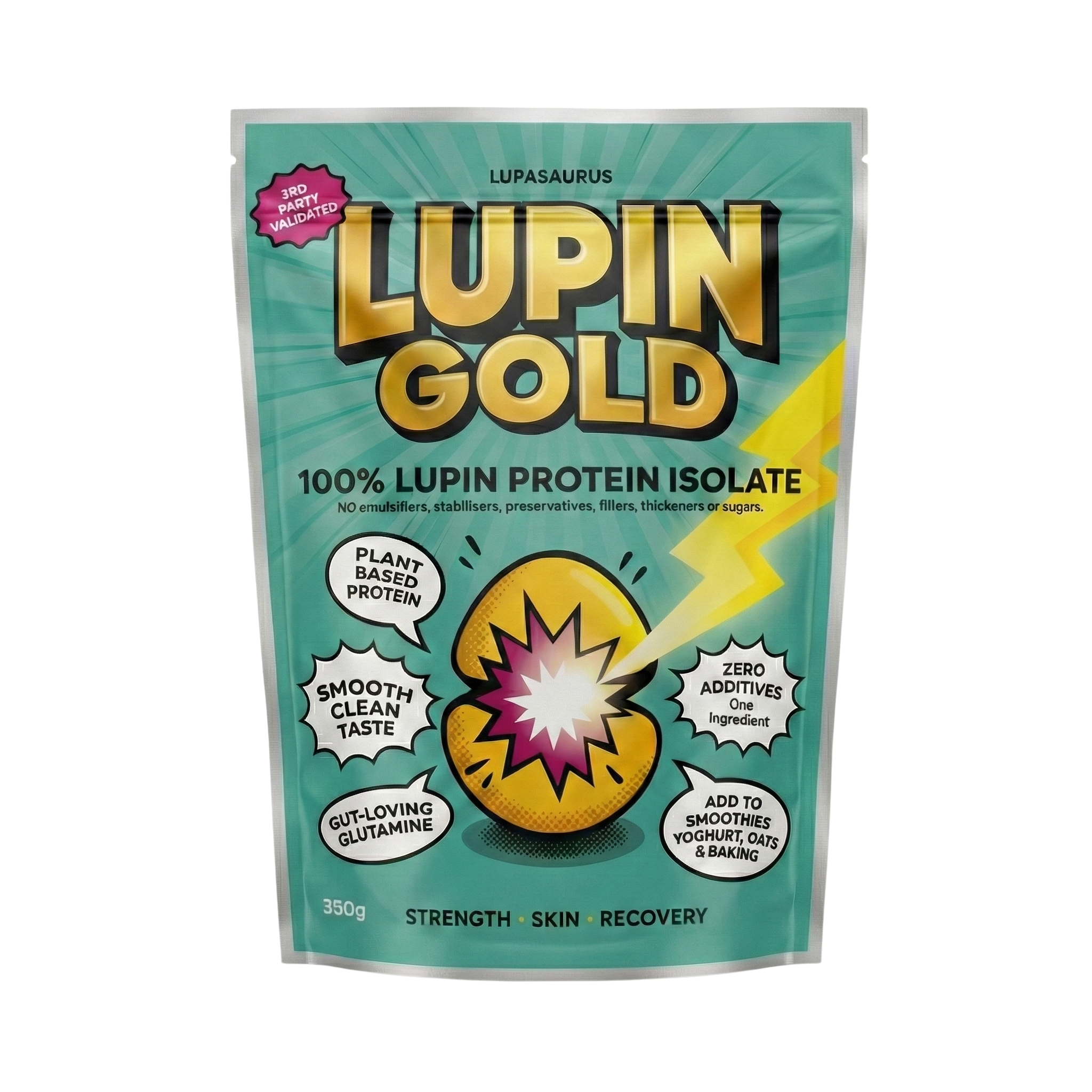
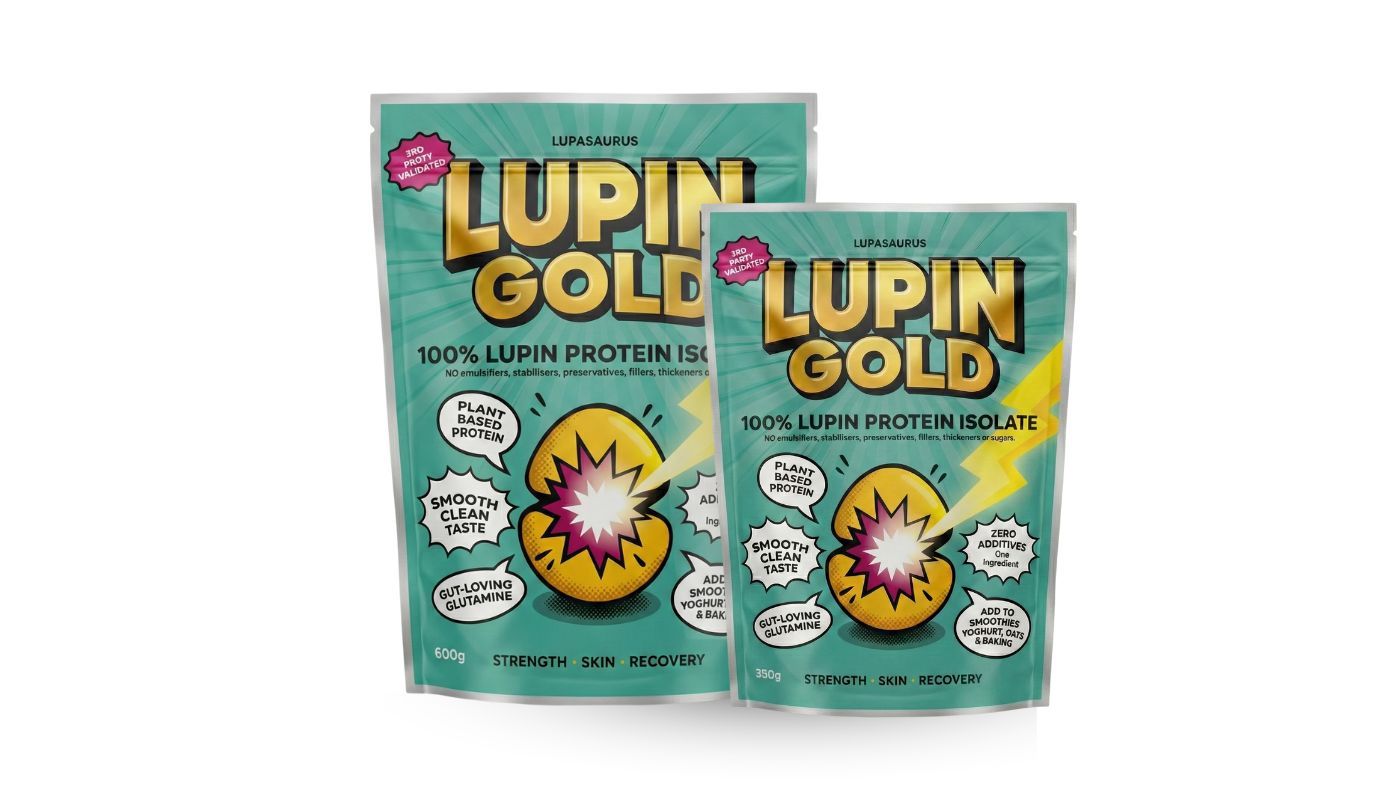
Lupin protein isolate is naturally high in arginine. 20g of Lupin Gold provides approximately 2g of arginine alongside all nine essential amino acids and branched-chain amino acids (BCAAs).
What Lupin Gold provides per serve
- ~90% protein content with a digestibility score of ~0.96
- ~2g arginine per 20g serve
- Complete amino acid profile — all nine essential amino acids including cysteine, methionine, lysine and leucine involved in keratin synthesis
- Free from dairy, soy, gluten, gums, stevia and artificial sweeteners
- Single ingredient — pure lupin protein isolate, nothing else
Allergen note: lupin is a declared allergen in Australia. People with peanut or legume allergies should review our allergen information page and consult a healthcare professional before use.
Plant Protein vs Collagen for Hair
Collagen supplements are commonly marketed for hair and skin. The key nutritional difference is that collagen is an incomplete protein — it lacks tryptophan, one of the nine essential amino acids. Lupin protein isolate provides all nine, making it a more complete amino acid source for overall protein nutrition including keratin synthesis.
Quick comparison
- Complete amino acids: Lupin Gold provides all nine essential amino acids. Collagen lacks tryptophan.
- Protein content: Lupin Gold ~90% protein per serve. Most collagen powders are 70–85%.
- Dietary fibre: Lupin Gold contains naturally occurring prebiotic fibre. Collagen contains none.
- Vegan-friendly: Lupin Gold is 100% plant-based. Collagen is derived from animal sources.
How to Use Lupin Gold Daily
Consistency of protein intake matters more than timing. Adding a clean, unflavoured protein to your daily routine is the most practical way to ensure your amino acid needs are met regularly.
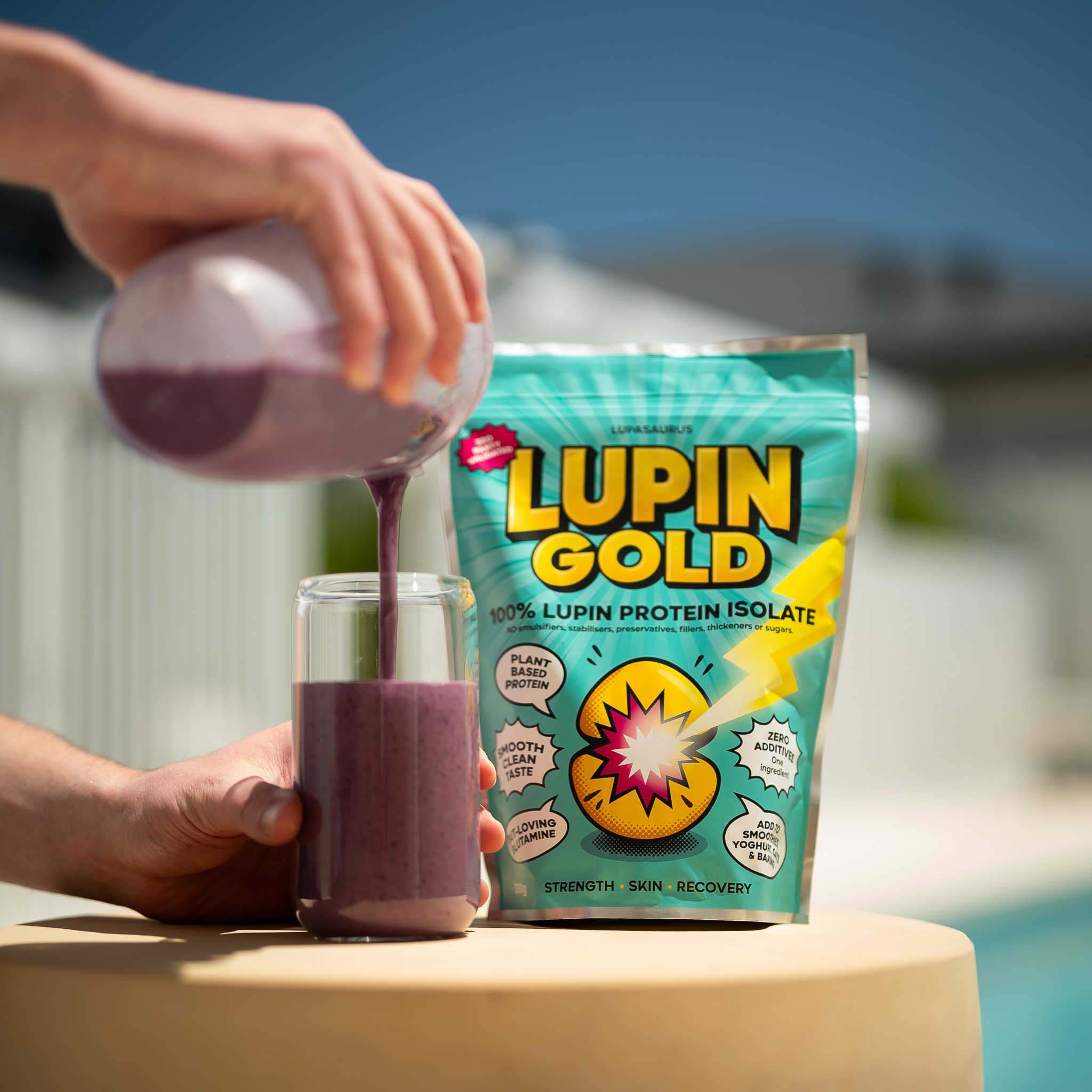
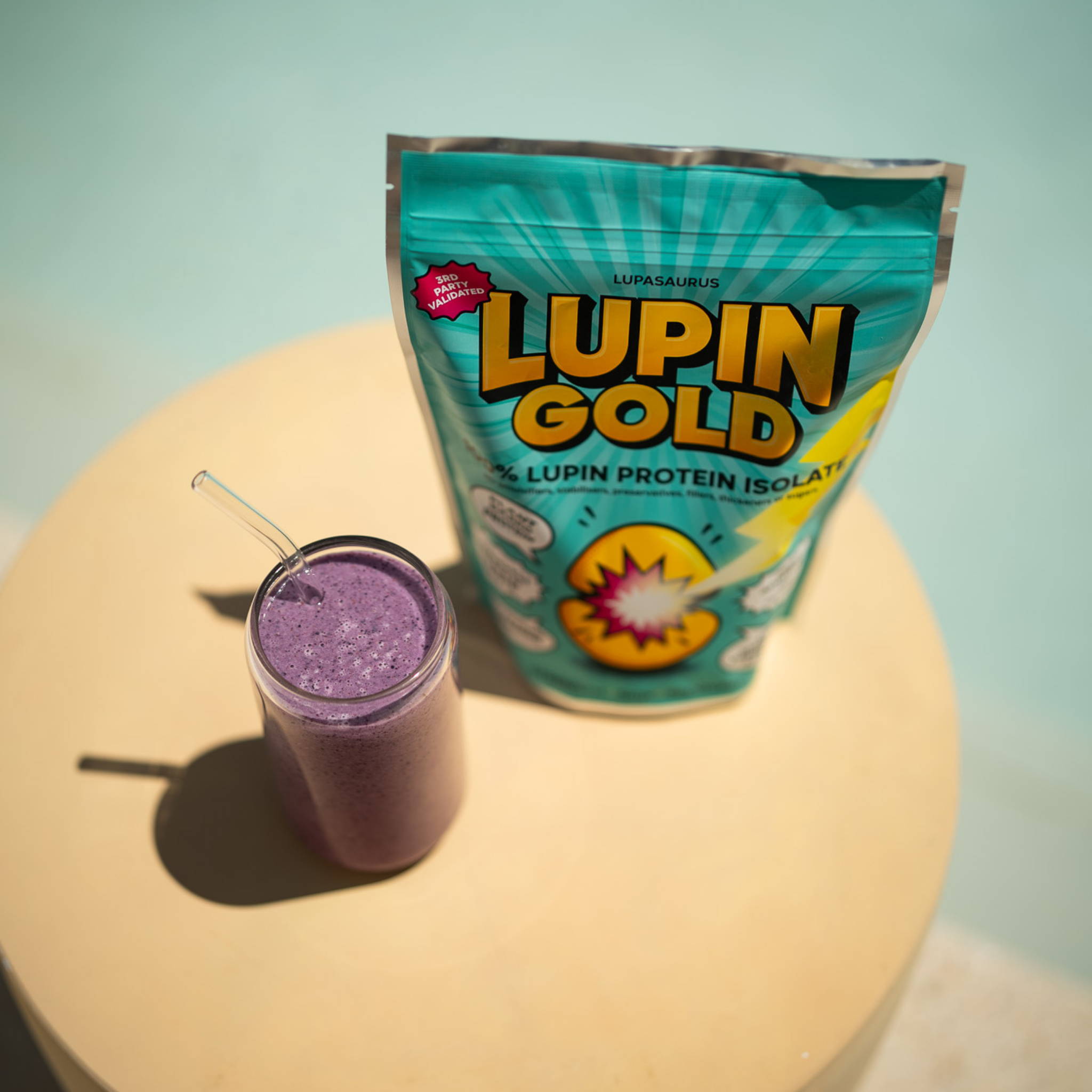
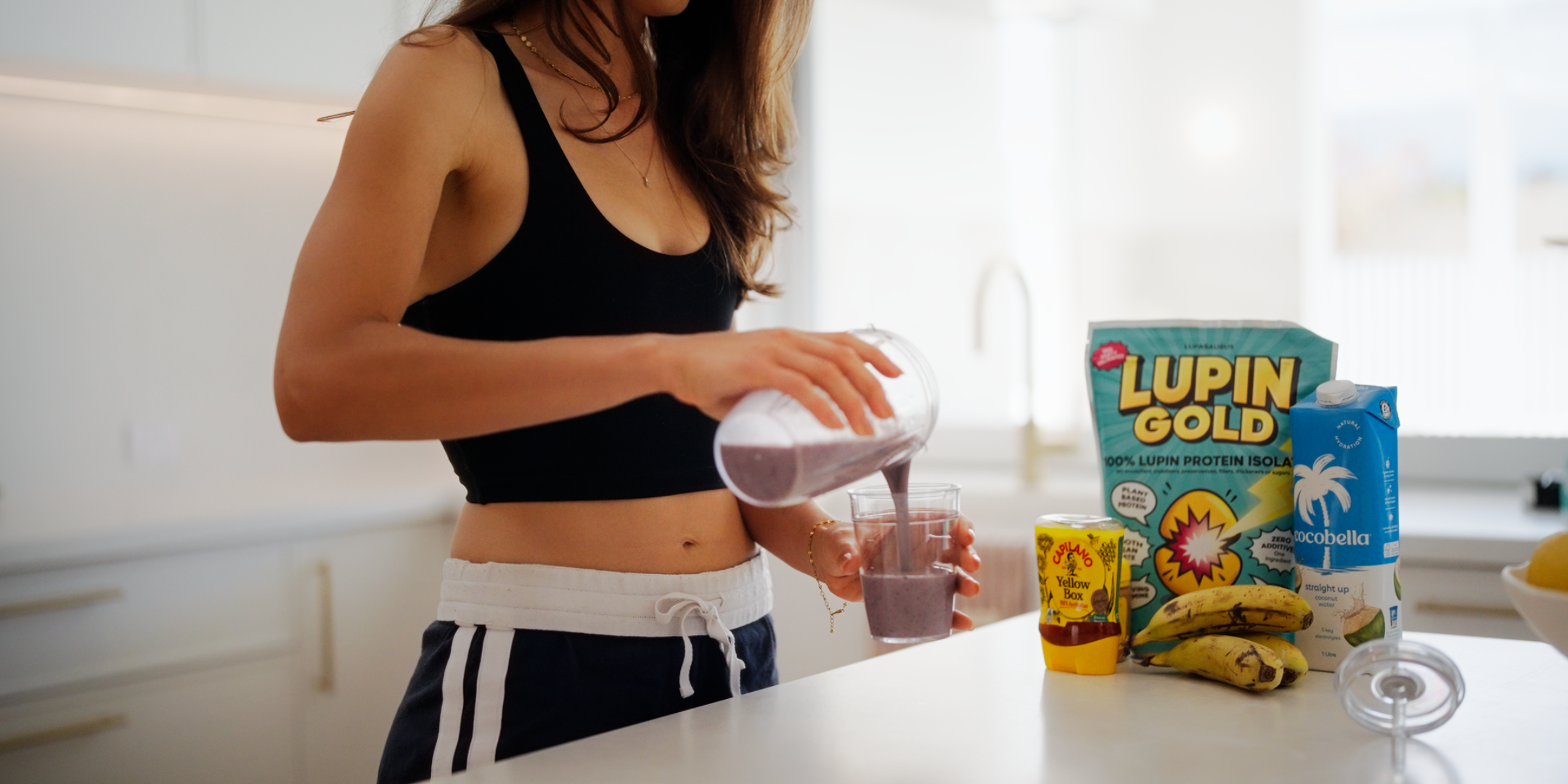
- Smoothies and oats: Blend with banana, berries and spinach, or stir into overnight oats
- Baking and snacks: Use in high-protein bagels, cookie dough balls or protein brownies
- Savoury cooking: Add a scoop to soups, sauces or savoury muffins for an unflavoured protein lift
FAQs
Does L-arginine help with hair growth?
Mechanistic research suggests L-arginine is involved in nitric oxide production, which plays a role in scalp circulation, and contributes to processes involved in keratin synthesis. Most studies are animal-based or early-stage human trials. Arginine is not a treatment for hair loss — adequate overall protein intake and nutritional status are the more established foundations for healthy hair.
How much L-arginine do you need for hair health?
There's no established specific dose for hair health. The focus should be on adequate total protein intake with a complete amino acid profile rather than supplementing arginine in isolation. 20g of lupin protein isolate provides approximately 2g of arginine alongside all nine essential amino acids.
Is plant protein or collagen better for hair?
From a nutritional standpoint, a complete plant protein like lupin provides all nine essential amino acids including those involved in keratin synthesis. Collagen lacks tryptophan, making it an incomplete protein source. For overall amino acid nutrition, a complete protein is generally the more comprehensive choice.
How long does it take to see results from protein for hair?
Hair grows approximately 1cm per month. Most nutritional research shows measurable changes in hair growth markers after 2–4 months of consistent intake. Results depend on overall dietary protein intake, not any single supplement.
Is Lupin Gold suitable for vegans?
Yes. Lupin Gold is made from 100% sweet lupin protein isolate — entirely plant-based with no animal-derived ingredients.
Is lupin protein safe for people with nut allergies?
Lupin is a legume, not a tree nut, but it is a declared allergen in Australia. People with peanut or other legume allergies may have a higher chance of reacting to lupin due to cross-reactivity. Always consult a healthcare professional if you have known legume or peanut allergies. Read our full allergen information here.
The bottom line
L-arginine is involved in several processes associated with scalp health and hair structure — including nitric oxide production and keratin synthesis. The most practical approach is ensuring your daily protein intake is adequate and complete, rather than focusing on any single amino acid. A clean, complete plant protein is a straightforward way to cover your amino acid bases consistently.
Shop Lupin Gold — complete plant protein isolateThis article is for general information only and is not individual medical or dietary advice. Please speak with your healthcare professional for personalised guidance.
Related reading: Beauty from Within: Skin, Hair & Lupin Protein • Lupin Allergen Information • Protein Recipes