

Women's nutrition guide
Protein powder for women does not need to be complicated. Used well, it is simply a practical way to increase protein intake when meals are rushed, appetite is low, or convenience matters. The real value is not hype. It is consistency.
Quick navigation
In this guide: how protein powder can support appetite, muscle maintenance, recovery, healthy ageing, and easier everyday nutrition, plus what to look for if you want a cleaner plant-based option.
Protein supports muscle maintenance, tissue repair and everyday nutrition. For many women, a good protein powder helps make meals more balanced, filling and easier to manage without turning every breakfast into a full cooking project.

Why protein matters for women
Protein provides amino acids that the body uses every day. These amino acids help maintain muscle, support repair, and contribute to normal body structure and function. Protein also plays a role in a balanced diet alongside carbohydrates, fats, fibre and other essential nutrients.
Needs can vary with age, activity level and life stage. Some women naturally eat enough protein across the day. Others find it harder, especially during busy periods, after training, or when meal prep falls apart. In those situations, protein powder can be a useful support tool rather than a replacement for proper meals.
A scoop added to oats, yoghurt or a smoothie can turn a light breakfast into something more balanced and more satisfying. For many women, that simple shift is what makes the habit sustainable.
Protein powder is not a shortcut or a fix-all. It is a practical way to make daily protein intake easier when life gets messy.
Protein powder can help with appetite and meal satisfaction
One of the clearest benefits of protein powder for women is that it can make meals more satisfying. Protein tends to be more filling than meals built mostly around refined carbohydrates, so a breakfast with enough protein may help you stay fuller for longer and feel less tempted to snack again soon after eating.
That does not make protein powder a shortcut for fat loss. It is better to think of it as a practical way to build a more balanced meal. When breakfast is mostly toast, cereal or something grabbed on the way out the door, hunger can return quickly. Adding protein can help smooth that out.
A useful shift: instead of asking whether protein powder is "necessary", ask whether it helps you build meals that actually keep you going.

Protein supports muscle maintenance and recovery
Protein is often associated with gym culture, but its role is much broader than that. It helps maintain muscle and supports repair after training, walking, sport, or just the wear and tear of a busy week. That matters whether you lift weights, do Pilates, go for long walks or simply want to feel stronger and less run down.
Protein also supports muscle protein synthesis after exercise, which is one reason it is so common in sports nutrition. Still, you do not need to train like an athlete to benefit from eating enough of it. Most women are not trying to become bodybuilders. They are trying to stay capable, recover well and keep up with daily life.
Protein powder also does not make women bulky. Noticeable muscle gain takes structured resistance training, enough total food, time, and a specific training stimulus. A scoop of protein at breakfast does not create that outcome on its own.
Protein supports strength, recovery and routine. It does not need to be dramatic to be useful.
Protein and healthy ageing
Protein becomes more important with age because muscle mass, appetite and eating habits can all shift over time. Some women eat less overall, skip meals, or end up having most of their protein in one sitting. That can make steady intake harder than it sounds.
A practical protein option can help fill those gaps. Instead of depending on a large cooked meal every time, women can add protein to breakfast, snacks or lighter meals. That can make intake more manageable across the week.
Protein also supports the body more broadly than muscle alone. Bone health, for example, depends on several factors including overall diet, physical activity and life stage. Protein is one part of that bigger picture. It makes more sense to treat it as supportive than to pretend it is a fix-all.
Small, repeatable ways to add protein often work better than relying on perfect meal prep every day.
Protein helps support muscle maintenance and recovery, which matters for strength and day-to-day capability over time.
What about hair, skin and nails?
Protein often comes up in conversations about hair, skin and nails because these tissues rely on adequate nutrition, including amino acids. That said, this is also where supplement marketing tends to overpromise.
A more credible way to frame it is this: when overall protein intake is too low, improving it may help support normal tissue maintenance. That is different from claiming that a protein powder will fix hair thinning, brittle nails or skin concerns. Those issues can have many causes and deserve a broader view.
So yes, protein matters here too. But protein powder is best seen as a practical nutrition tool, not a beauty shortcut.

Whey or plant protein: which is better?
The best protein powder for women depends on diet, digestion, preferences and routine. There is no special female-only formula that women need to buy. The best choice is usually the one you tolerate well and will actually use consistently.
Whey is a dairy-derived complete protein and is widely used because it is convenient and familiar. Some women do well with whey protein isolates or whey protein concentrate. Others prefer plant-based options because they avoid dairy, follow a plant-based diet, or simply do not feel great on whey.
Ingredient quality matters just as much as protein source. Some products are packed with flavour systems, artificial sweeteners, gums and fillers. Others are much simpler. For women with lactose intolerance, or for anyone who wants a cleaner option, that difference can matter more than the marketing on the front of the pack.
For a full breakdown of how plant proteins compare, read our lupin vs soy vs pea vs whey comparison. For a vegan-specific option, our vegan protein powder collection is a good starting point.
What to look for in a protein powder
A good protein powder should be practical first. Look for one that:
- fits your diet and digestion
- provides a useful amount of protein per serve
- has a short, clear ingredient list
- works in meals you already eat
- feels easy to use regularly
Be more cautious with products that rely on heavy flavouring, lots of gums, artificial sweeteners or a texture you have to force yourself to tolerate. Many women do better with a powder that behaves more like a food ingredient than a dessert-style supplement.
For dairy-free options, our gluten-free and dairy-free protein powder collection is worth a look. For those avoiding all additives, the unflavoured protein powder range is the cleanest starting point.
Clean and usable usually wins. The best product is often the one that disappears into your routine without becoming another thing to tolerate.
Where Lupin Gold fits
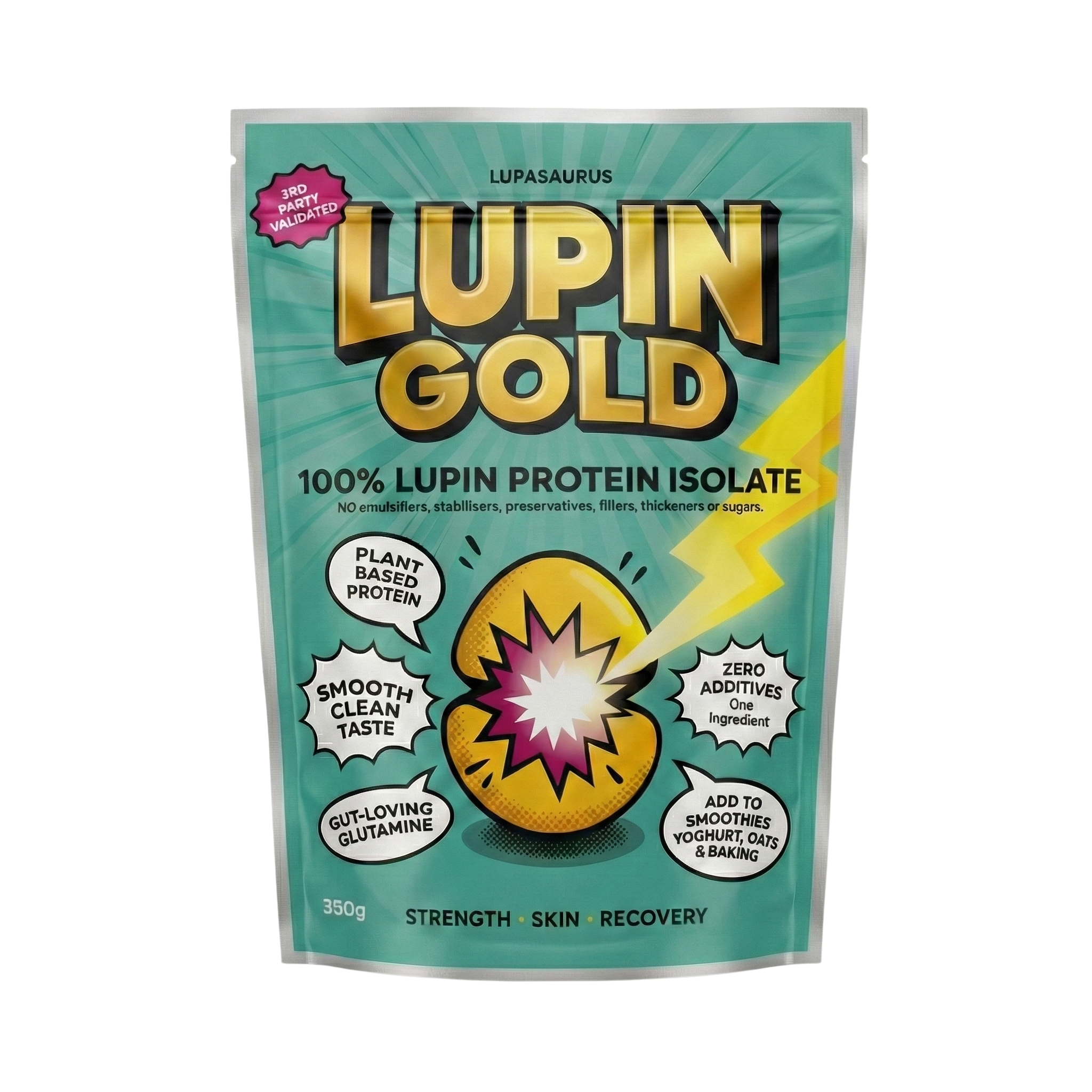
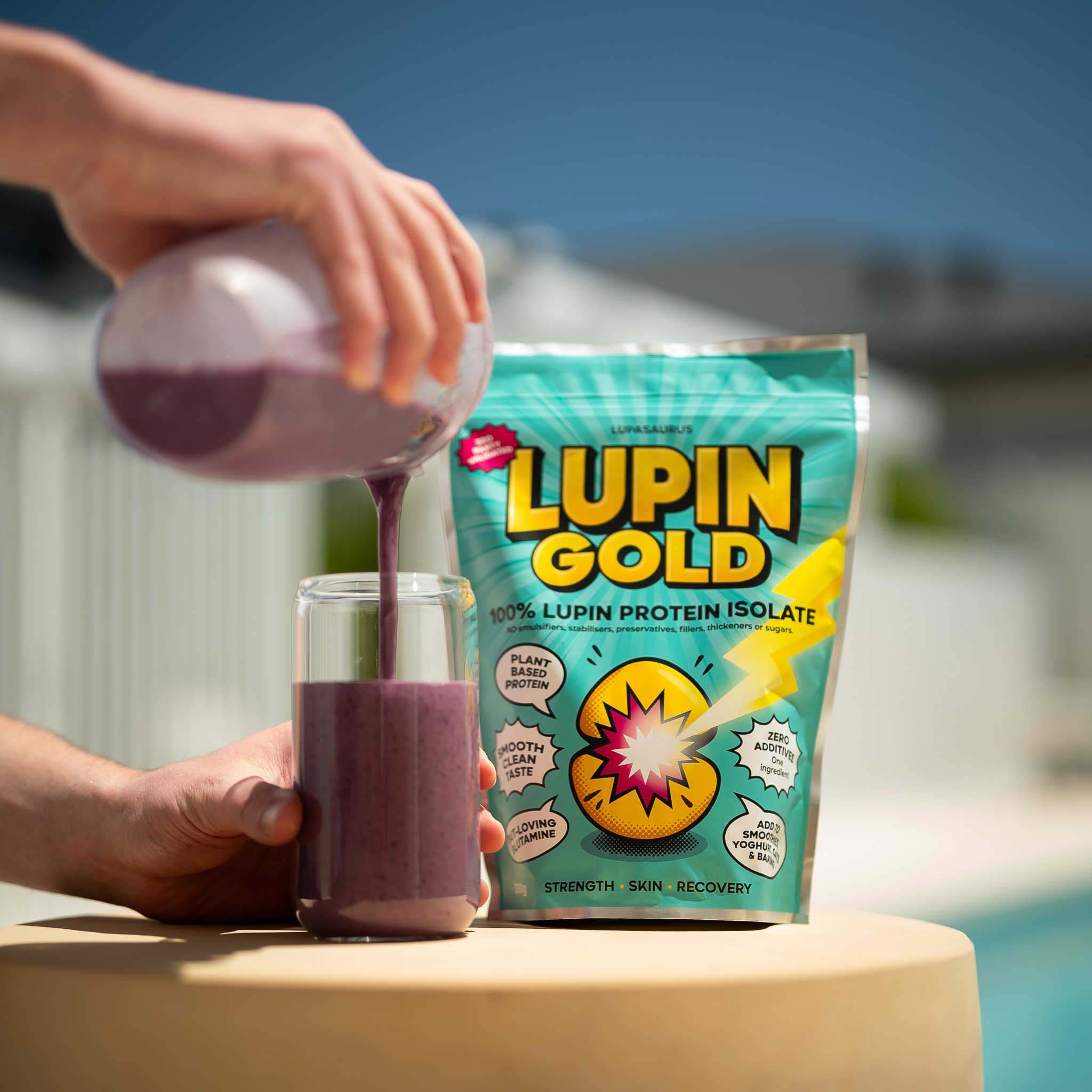
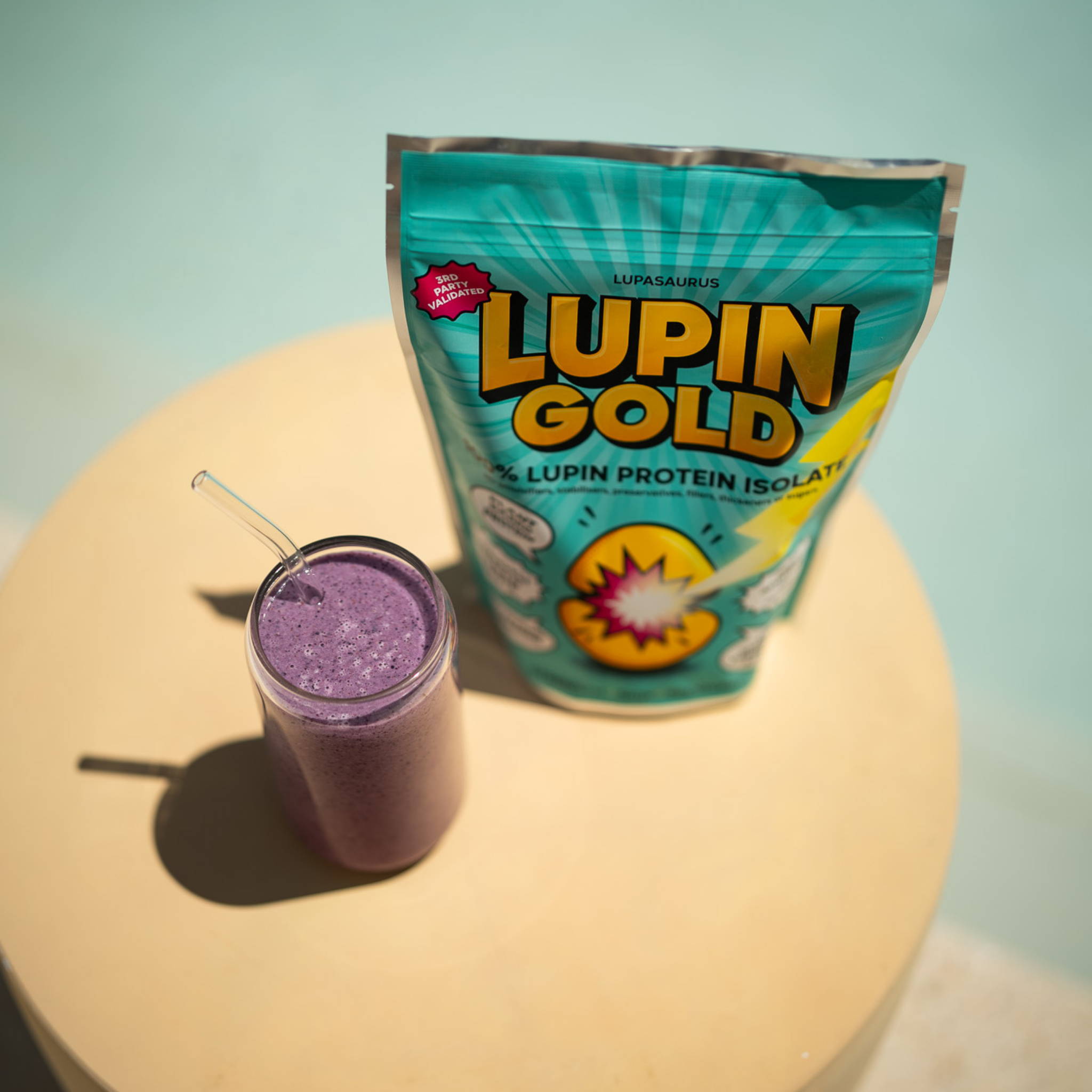
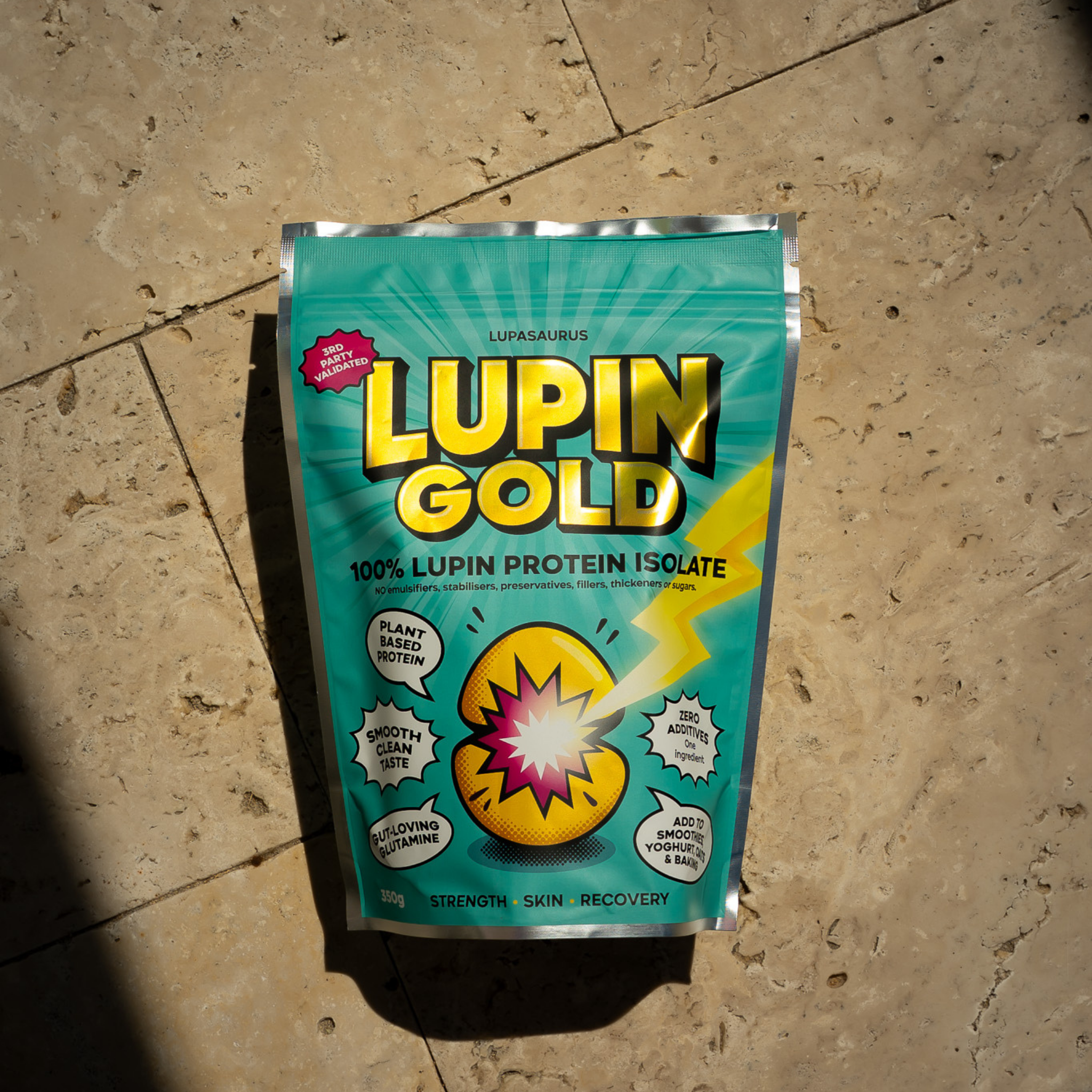
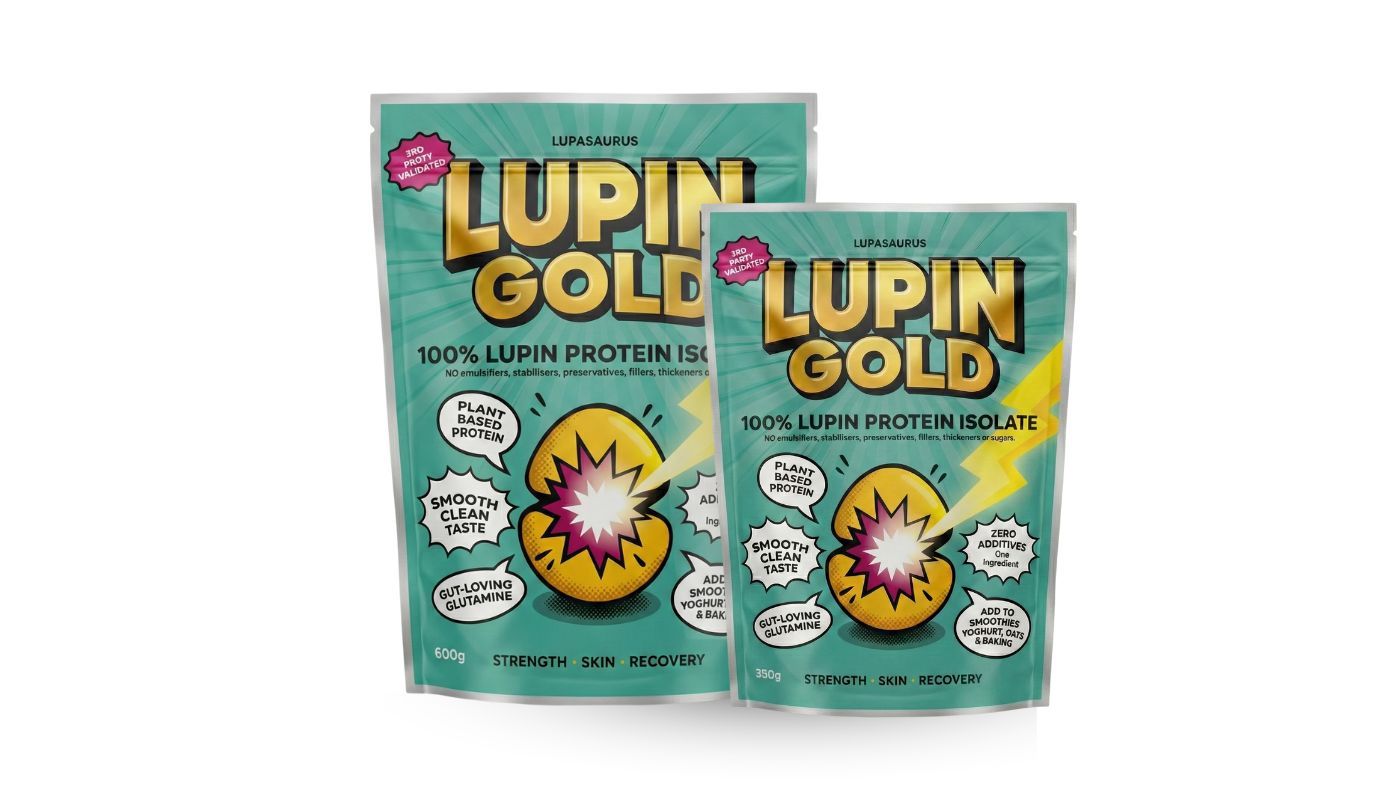
For women who want a cleaner option, Lupin Gold offers a more straightforward approach. It is plant-based, unflavoured, single ingredient, and free from stevia, gums and fillers. That makes it easier to use in real food without adding sweetness or the usual supplement aftertaste.
That food-first approach is part of the appeal. Instead of tasting like a flavoured shake mix, it can blend into oats, smoothies, yoghurt, baking, soups and other everyday meals. For women who want flexibility rather than another sweet drink, that is a genuine advantage.

Easy ways to use protein powder without relying on shakes
Many women stop using protein powder because they assume every serve needs to be a full shake. In reality, it often works better as an ingredient.
You can also use protein powder in simple, repeatable ways that do not feel like "supplement use" at all. That is often the difference between trying something once and actually sticking with it.
Quick breakfast: stir unflavoured protein into oats or yoghurt.
Easy backup: blend it into a smoothie when time is tight.
Protein shakes still have a place, especially after training or during rushed mornings. But they are only one option. For many women, the most sustainable approach is the simplest one: adding protein to meals they already enjoy.
Want practical ways to use it?
Browse Lupin Gold recipesSo, is protein powder good for women?
Protein powder can be useful when it helps close a real gap in your routine. It can make meals more satisfying, support muscle maintenance and recovery, and make it easier to keep protein intake steady across the week.
It is not essential for everyone, and it does not replace a balanced diet. But when meals are low in protein, mornings are rushed, or convenience matters, it can be a smart addition.
For women who want a clean, plant-based option that works in real food, Lupin Gold offers a practical alternative to heavily sweetened, overbuilt formulas. Simple, neutral and easy to use usually beats gimmicky.
FAQs
Does protein powder make women bulky?
No. Building significant muscle size requires structured resistance training, enough total food, time and a specific training stimulus. A scoop of protein powder at breakfast does not create that outcome on its own. Protein supports muscle maintenance and recovery - which is about staying strong and functional, not adding unwanted size.
Is plant protein powder good for women?
Yes, provided it suits your digestion and routine. A good plant-based protein powder can be a useful option for women who prefer dairy-free products, follow a vegan or plant-based diet, or want something that mixes easily into everyday meals without sweeteners or gums. Look for a single-ingredient isolate with a complete amino acid profile for the cleanest option.
How much protein do women need per day?
General guidance suggests around 0.8g per kg of body weight for sedentary women, rising to 1.2 to 1.6g per kg for active women and those doing regular exercise. Older women often benefit from the higher end of these ranges. Most women do not consistently hit their protein target from food alone, which is where a protein powder can be a practical gap-filler.
When should women use protein powder?
Whenever it helps make meals more practical. Common situations include breakfast when time is short, after exercise when appetite may be low, during busy workdays, or when a full cooked meal is not realistic. The best time is simply when it helps you hit your daily protein target more consistently.
What is the best way to use unflavoured protein powder?
Unflavoured protein powder works best when mixed into food you already eat - oats, yoghurt, smoothies, soups, sauces or baking. Because it has no flavour of its own, it does not change the taste of what you are making. That makes it far more versatile than flavoured options and much easier to use consistently across different meals and recipes.
Is lupin protein powder good for women?
Lupin protein isolate is a practical option for women who want a clean, plant-based protein. It provides ~90% protein with a complete amino acid profile, is free from dairy, soy, stevia, gums and artificial sweeteners, and has a neutral taste that works across sweet and savoury food. It is a declared allergen in Australia - women with peanut or legume allergies should review the allergen information before use.
This article is general information only and does not replace medical advice. Always consult your healthcare professional before making changes to your supplement or nutrition routine.