

Still bloated after your "clean" protein shake? You're not alone — and it's not your fault. Most protein powders are designed to hit macros, not to work with your gut. Here's what's actually going on, and what to look for instead.
Quick navigation
Why Most Protein Powders Cause Bloating
Your gut doesn't care how many grams of protein you're getting if it can't absorb them properly. Bloating, gas and digestive discomfort after a protein shake are common — and usually caused by one or more of these:
Whey protein (dairy)
Whey comes from milk and contains lactose. Over 65% of the global population has reduced ability to digest lactose after infancy. Even "lactose-free" whey isolates can cause discomfort due to dairy proteins triggering sensitivity in some people.
Sweeteners and sugar alcohols
Stevia, monk fruit and erythritol ferment in the colon, feeding gas-producing bacteria. Many people tolerate them in small amounts but find protein powder quantities push them over the edge.
Gums and thickeners
Xanthan gum and gellan gum are fermentable fibres added for texture. In sensitive individuals they increase gas and bloating — ironically often worse in people who eat well and have active gut bacteria.
Low-quality plant blends
Pea, rice or soy proteins often contain anti-nutrients like phytic acid that hinder mineral absorption. Unrefined or low-purity blends can cause as much bloating as dairy-based options.
What Gut-Friendly Protein Powder Actually Means
The term gets used loosely in marketing. In practical terms, a genuinely gut-friendly protein powder does three things:
- Removes common irritants — no dairy, soy, gluten, gums or sweeteners that cause fermentation and gas
- Is highly digestible — the more bioavailable the protein, the less undigested material sits in your gut fermenting
- Supports rather than disrupts your microbiome — ideally contains naturally occurring prebiotic fibre to feed beneficial gut bacteria
Most protein powders fail on at least one of these. Clean-label, single-ingredient proteins are the most reliable way to avoid the additives that cause problems.
What Your Gut Microbiome Needs From Protein
Your gut microbiome is a community of trillions of bacteria, fungi and other microorganisms that play a role in digestion, nutrient absorption and overall gut function. What you eat directly affects which bacteria thrive.
How protein affects your microbiome
- Highly digestible protein is absorbed in the small intestine, leaving less for bacteria in the large intestine to ferment — meaning less gas
- Prebiotic fibre feeds beneficial bacteria like Bifidobacteria and Lactobacillus, which are commonly associated with healthy digestion
- Irritants and additives can disrupt the balance of gut bacteria, potentially contributing to digestive discomfort over time
This is why the protein source matters as much as the protein quantity. A powder with 30g of protein that's hard to digest may be less useful than one with 20g that's absorbed efficiently and doesn't disrupt your gut environment.

Why Lupin Protein Is Different
Lupin protein isolate — specifically Lupinus angustifolius, the Australian Sweet Lupin — has a nutritional profile that makes it well-suited to people who've had problems with other protein powders.
- ~90% protein content with a digestibility score of ~0.96 — one of the highest of any plant protein
- Complete amino acid profile including all essential amino acids (EAAs) and branched-chain amino acids (BCAAs)
- Naturally occurring prebiotic fibre (GOS) — feeds beneficial gut bacteria as part of normal digestion
- Free from dairy, soy, gluten, gums, stevia and artificial sweeteners
- Single ingredient — nothing to cause a reaction except the protein itself
A note on first-time use
As lupin is a legume-based protein, a short adjustment period is normal for some people. Like adding beans or lentils to your diet, mild gas may occur initially as your gut adapts to the prebiotic fibre. This typically settles within one to two weeks of consistent use.
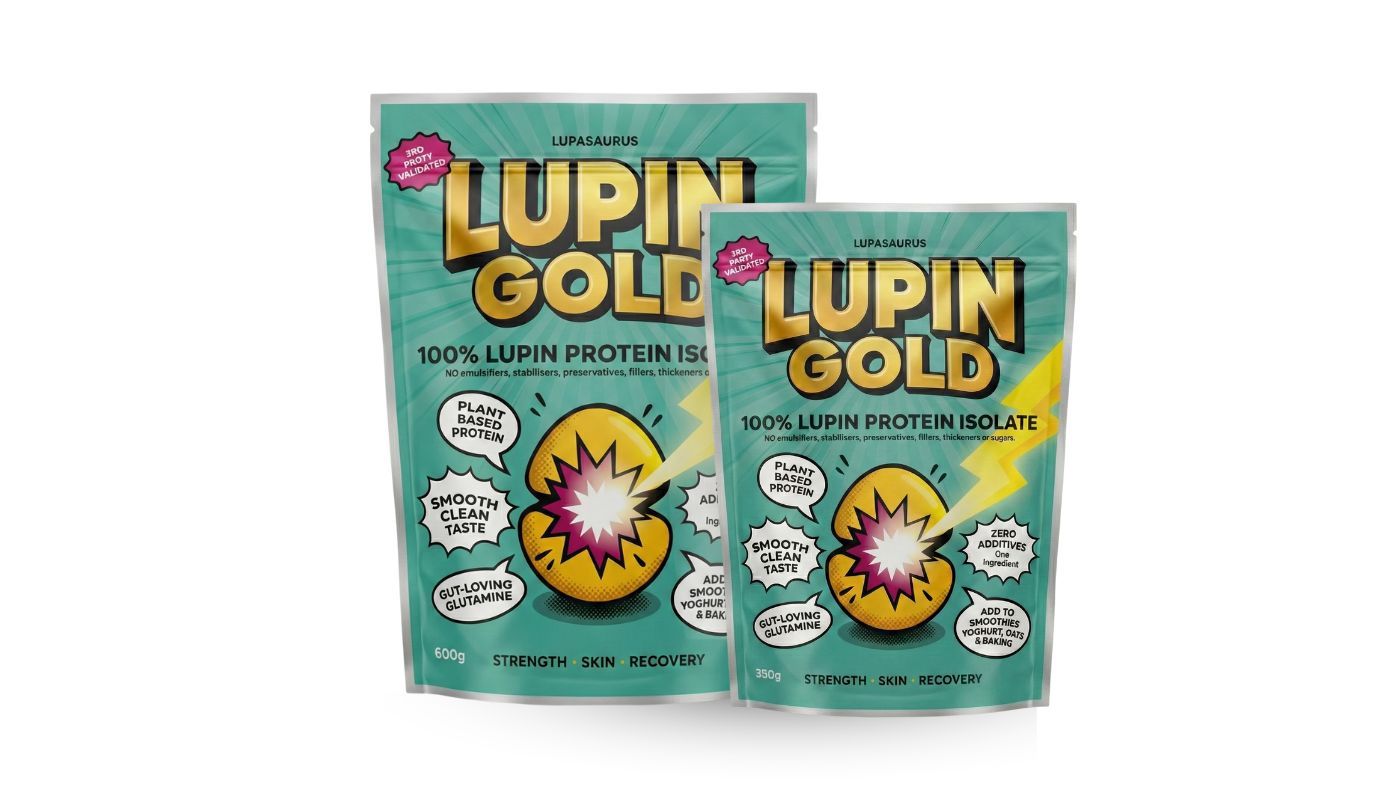
Lupin Gold is a single-ingredient lupin protein isolate — packed in Australia, free from additives, and designed for people who want clean protein that works with their digestion rather than against it. Explore the range here.
Signs Your Protein Powder Isn't Working for Your Gut
If you experience any of these consistently after taking a protein powder, it may be worth switching to a cleaner formulation:
- Bloating or stomach swelling after a shake
- Gas, cramping or unpredictable digestion
- Discomfort that improves on days you skip your protein shake
- Nausea or heaviness after consuming dairy-based powders
These are signs your current protein may not be a good fit for your digestive system — not that protein powder itself is the problem.
FAQs
Does protein powder cause bloating?
Protein powder can cause bloating, but the protein itself is rarely the issue. The more common causes are lactose in whey protein, sweeteners like stevia or erythritol, gums and thickeners, or poorly digested plant protein blends. Switching to a single-ingredient, additive-free protein often resolves the problem.
What is gut-friendly protein powder?
A gut-friendly protein powder is one that's free from common digestive irritants — dairy, soy, artificial sweeteners, gums and fillers — and is highly digestible so minimal undigested protein reaches the large intestine. Ideally it also contains naturally occurring prebiotic fibre to support a healthy gut environment.
Is plant protein easier on the gut than whey?
It depends on the source and formulation. Some plant proteins are harder to digest than whey, particularly low-purity blends with anti-nutrients. However, a high-quality single-ingredient plant protein isolate — like lupin — with a digestibility score of ~0.96 is often easier on the gut than dairy-based options, particularly for people with lactose or dairy sensitivity.
Is lupin protein good for gut health?
Lupin protein isolate is naturally high in digestibility and contains naturally occurring prebiotic fibre (GOS), which is commonly associated with supporting a healthy gut microbiome. It's also free from dairy, soy, gluten, gums and sweeteners — the most common causes of digestive discomfort from protein powders.
What protein powder doesn't cause bloating?
Single-ingredient protein powders with no gums, sweeteners or dairy are the least likely to cause bloating. Lupin protein isolate, high-quality pea protein isolate and some rice proteins are commonly tolerated by people who experience bloating with whey or blended plant proteins. Check the ingredient list — if there's more than one or two ingredients, there's more opportunity for something to cause a reaction.
Can protein powder affect your gut microbiome?
Yes. The ingredients in your protein powder interact with your gut bacteria. Fermentable sweeteners and gums can feed gas-producing bacteria, while prebiotic fibres found naturally in some plant proteins are commonly associated with supporting beneficial bacteria. Highly digestible proteins leave less material for fermentation in the large intestine, which is generally better for gut comfort.
The bottom line
Bloating from protein powder is common but not inevitable. The cause is almost always the additives — not the protein. A clean, single-ingredient protein with high digestibility and no gums, sweeteners or dairy is the most reliable way to get your protein without the gut drama.
Shop Lupin Gold — no additives, no aftertasteThis article is for general information only and is not individual medical or dietary advice. Please speak with your healthcare professional for personalised guidance.