
Protein is one of the most talked-about nutrients — and one of the most misunderstood. It's not just for bodybuilders or people who train hard. Here's what protein actually does, how much most Australians need, and simple ways to get more of it without overhauling your diet.

This page is general information only. It does not replace medical or dietary advice.
Quick navigation
What Is Protein?
Protein is a macronutrient made up of smaller units called amino acids. Your body digests protein into these amino acids and uses them as raw material for a wide range of essential functions — from building muscle to making hormones and antibodies.
There are 20 amino acids in total. Nine of these are "essential" — meaning your body cannot make them on its own and must get them from food. A protein source that contains all nine is called a complete protein.
What Protein Does in the Body
Muscle repair is the role protein is famous for — but it's only one of many. Here's what adequate daily protein intake is involved in:
Muscle maintenance and repair
Your body is constantly breaking down and rebuilding muscle tissue. Protein provides the amino acids required for that ongoing process — not just after training, but every day.
Immune function
Antibodies and immune cells are made from protein. Adequate intake is commonly associated with normal immune function, particularly during periods of stress or illness.
Hormones and enzymes
Many hormones — including insulin — and the enzymes involved in digestion are protein-based. Your body uses amino acids daily to produce and maintain these.
Skin, hair and nails
Skin relies on collagen and elastin — structural proteins built from amino acids. Hair is made of keratin, also a protein. Adequate daily protein intake is the foundation for maintaining these tissues. Women have specific protein needs that shift across different life stages — see our guide to protein powder for women for more detail.
How Much Protein Do You Need Per Day?
Protein needs vary based on body size, age, activity level and goal. The general evidence-based ranges used in Australian nutritional guidance are:
Daily protein targets by activity level
- Sedentary adults: around 0.8g per kg of body weight — the minimum to avoid deficiency
- Moderately active: around 1.2 to 1.6g per kg — supports general health and muscle maintenance
- Regular resistance training: up to 1.6 to 2.0g per kg — commonly associated with muscle protein synthesis optimisation
- Older adults (50+): generally benefit from the higher end of these ranges as muscle protein synthesis becomes less efficient with age
For a typical 70kg moderately active adult, that's roughly 84g to 112g of protein per day from all food sources combined. Most Australians fall short of this without actively structuring their intake.
Signs You Might Not Be Getting Enough Protein
This is not a diagnosis — use this as a prompt to review your daily intake rather than a clinical checklist.
- You feel hungry again shortly after eating
- You crave sweets in the mid-afternoon
- Your energy feels inconsistent across the day
- You get noticeably sore after normal activity
- Your meals feel unsatisfying even when portions are large
Why protein helps with these
Protein slows digestion, which helps stabilise appetite signals and keeps meals feeling more satisfying for longer. It also has a higher thermic effect than fat or carbohydrate — meaning your body uses more energy to process it.
Animal vs Plant Protein Sources
You can meet your daily protein targets with animal foods, plant foods, or a mix of both. The source matters less than the total amount and how well you absorb it.
Animal-based protein sources
- Chicken, turkey, fish
- Eggs
- Yoghurt and dairy
- Red meat
Typically high protein per serve and generally complete proteins. Not suitable for everyone depending on dietary preferences or intolerances.
Plant-based protein sources
- Lentils and beans
- Chickpeas
- Tofu and tempeh
- Quinoa
- Nuts and seeds
- Plant protein powders — pea, rice, soy, lupin
Quality varies by source. Focus on total intake and digestibility, not just the label.

What Does Complete Protein Mean?
A complete protein contains all nine essential amino acids in meaningful amounts. Animal proteins are typically complete. Among plant proteins, lupin and soy are complete — pea and rice are lower in certain amino acids and are often blended to compensate.
You do not need to stress about perfect amino acid pairing at every meal. If you eat a varied diet across the day, your intake generally balances out. For people relying heavily on plant proteins, choosing a naturally complete source simplifies this.
Protein, Appetite and Energy
One of the most practical benefits of adequate protein intake is its effect on satiety — the feeling of fullness after eating. Higher protein meals are commonly associated with:
- Staying fuller for longer after eating
- Fewer cravings and less random snacking
- More stable energy across the day compared to high-carb, low-protein meals
- Better dietary consistency — easier to maintain when you're not constantly hungry
Do You Need Protein Powder?
No — protein powder is a convenience tool, not a requirement. Most people can meet their protein targets through whole food if they structure their meals well.
Where protein powder becomes useful is when food intake is rushed, inconsistent, or when hitting a higher protein target through food alone becomes impractical.
If weight management is part of your goal, see our guide to protein powder and weight loss for a breakdown of how protein supports a calorie deficit.
When protein powder can help
- Busy schedule — a scoop in oats or a smoothie is faster than cooking
- Low appetite — easier to drink or mix into food than prepare a full meal
- Hitting a higher protein target — food alone can be bulky at higher intakes
- Adding protein to meals without changing the flavour
Not all protein powders are equal. Many plant-based options include sweeteners, gums, flavour systems and fillers that affect taste, digestion and overall quality. If your protein powder causes bloating or aftertaste, the issue is usually the additives rather than the protein itself.
Choosing a Protein Powder That Works for You
Use this as a quick filter when reading ingredient labels:
- Protein content per 100g — aim for 80%+ for isolates
- Ingredient list length — shorter is almost always better
- No stevia (960), erythritol (968) or monk fruit — these cause most aftertaste
- No gums — xanthan (415) or guar (412) affect texture and digestion
- Neutral enough to use in oats, smoothies and cooking — not just shakes
Where Lupin Gold fits
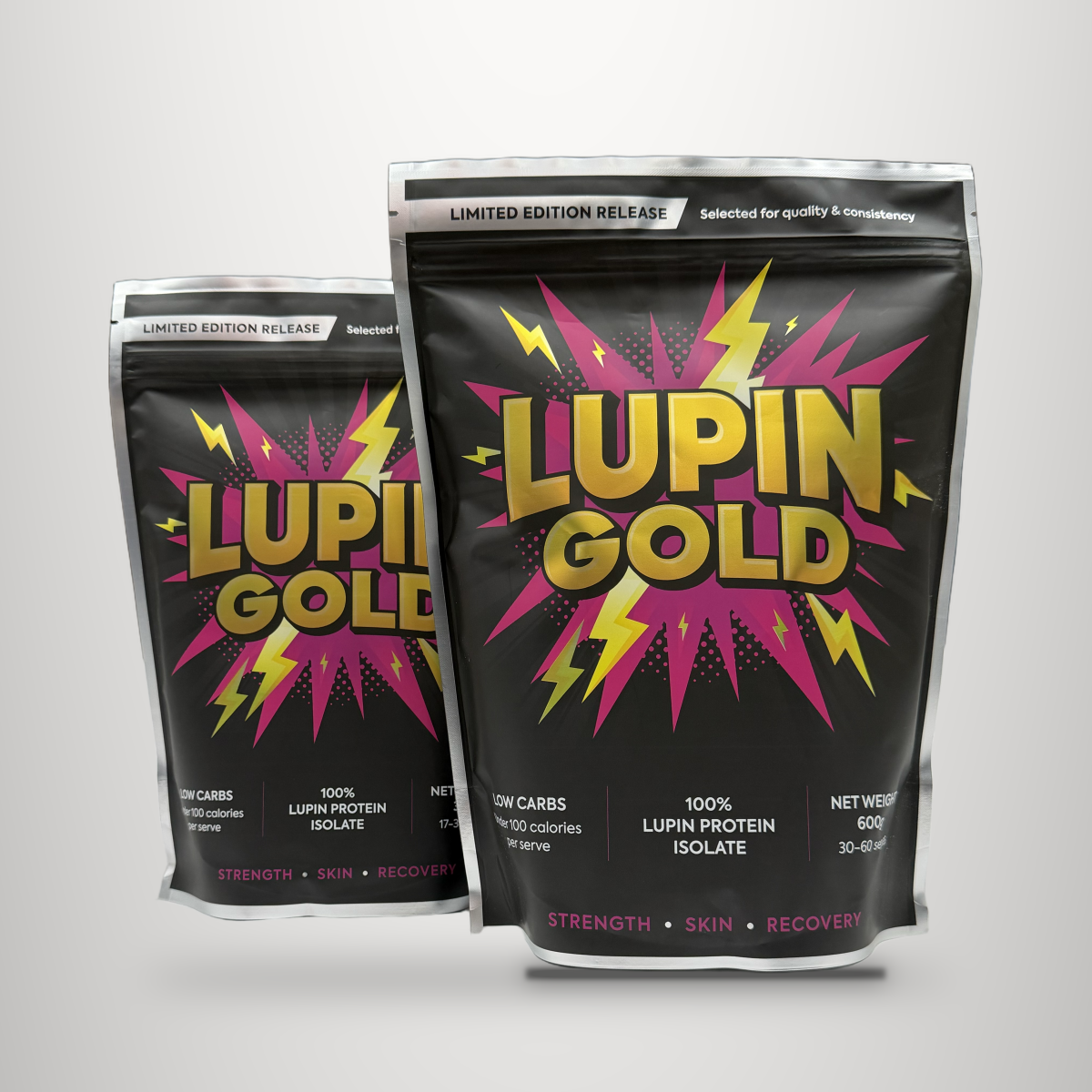
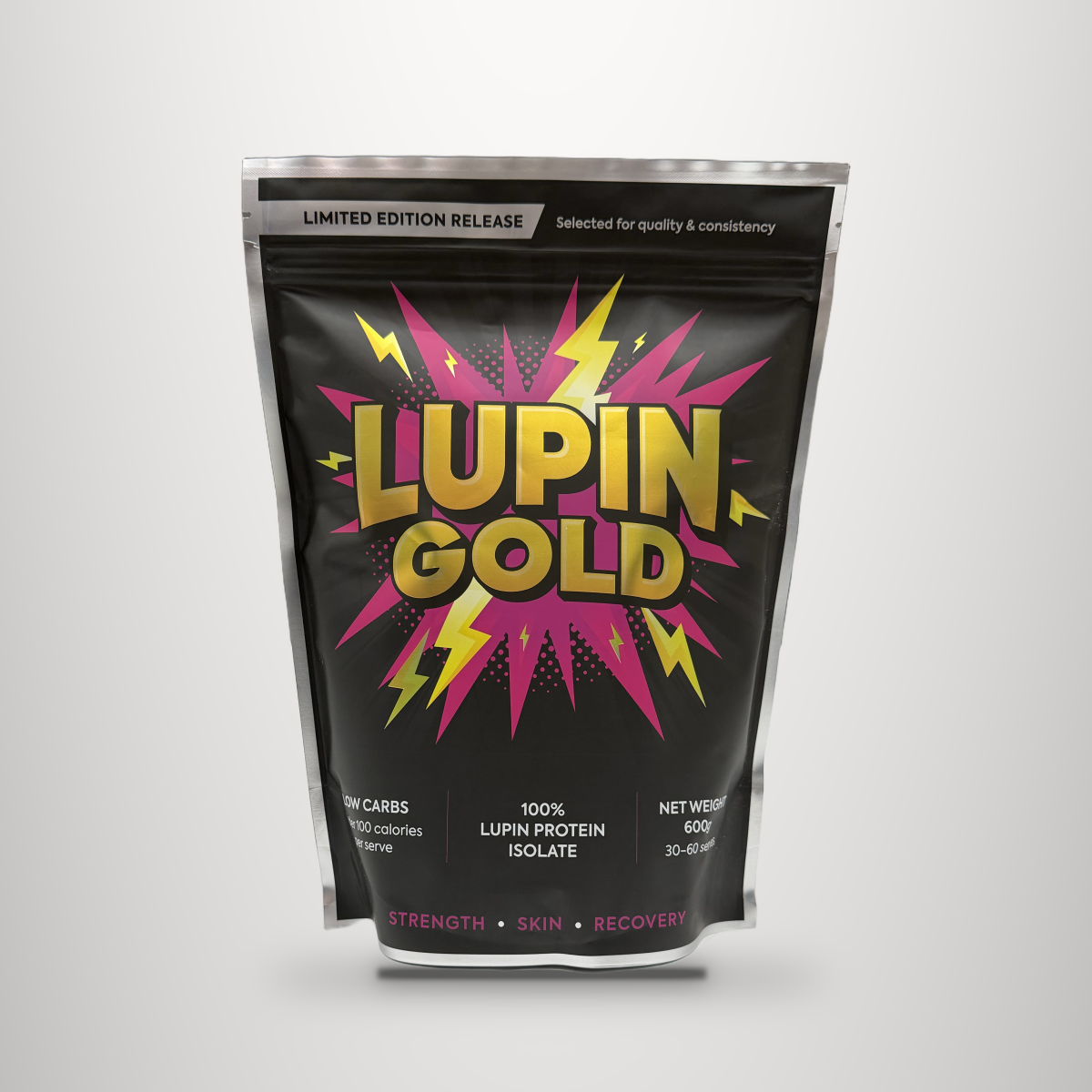
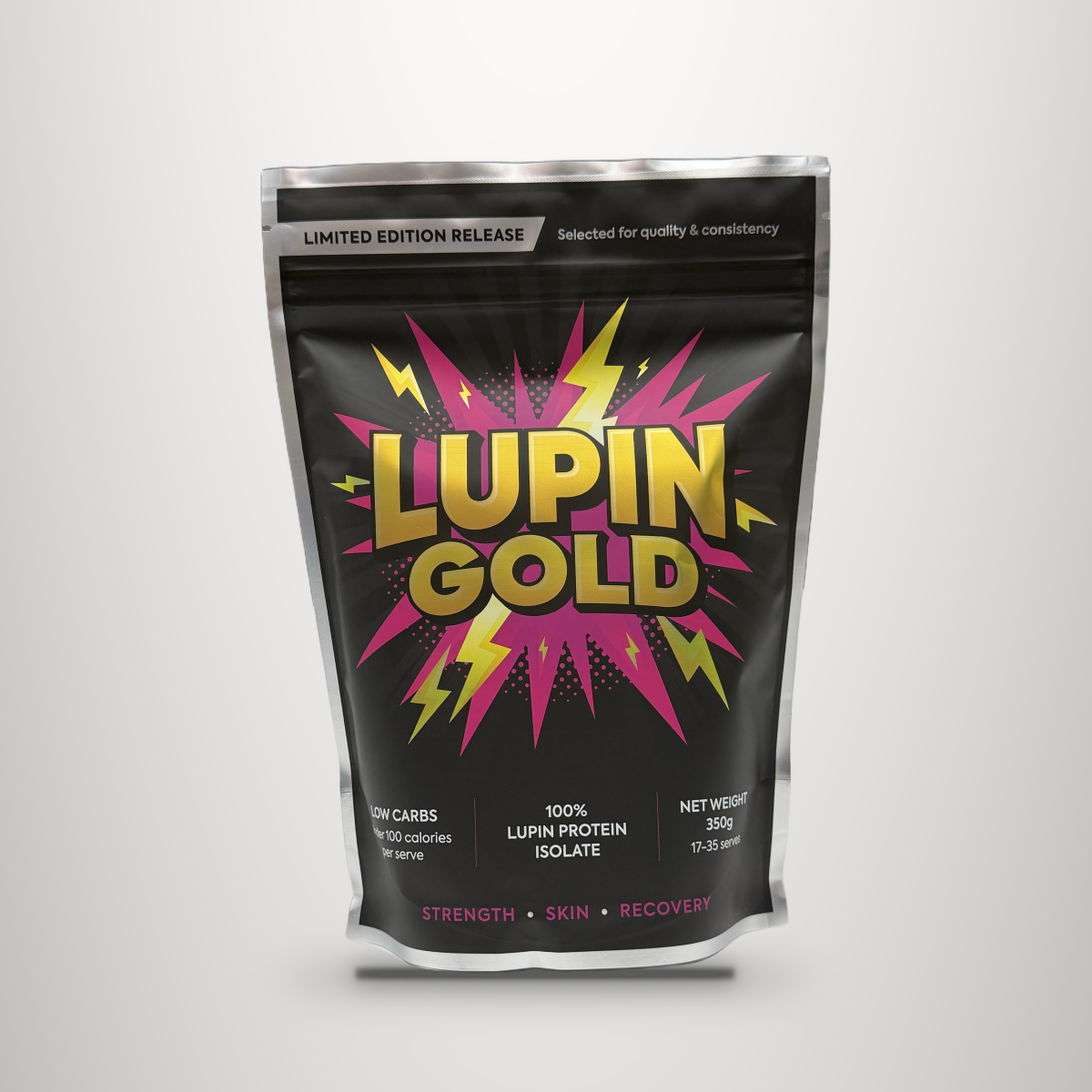
- 100% lupin protein isolate — single ingredient
- ~90% protein content
- Digestibility score ~0.96
- Free from dairy, soy, stevia, gums and artificial sweeteners
- Neutral taste — works in sweet and savoury food

Simple Ways to Increase Protein Today
You do not need to overhaul your diet. These are practical upgrades that fit into what you're already eating.
Fix breakfast first
Most people fall short on protein at breakfast. Simple fixes:
- Oats with a scoop of protein stirred through
- Smoothie with protein and fruit
- Yoghurt bowl with seeds and nuts
- Eggs on toast with added protein
Add protein to food you already eat
Rather than changing meals, boost what's already working:
- Stir a scoop into oats or yoghurt
- Mix into pancake or muffin batter
- Blend into smoothies
- Add to soups or sauces
Keep a high-protein snack ready
This is what prevents the mid-afternoon energy crash:
- Protein smoothie
- Yoghurt-based snack
- Protein balls or bars
- Hard-boiled eggs
Use an unflavoured protein as an ingredient
An unflavoured isolate disappears into food without changing the taste — which makes it far easier to use consistently across the day than a flavoured shake you have to drink separately.
FAQs
How much protein do I need per day in Australia?
General evidence-based guidance suggests sedentary adults need around 0.8g per kg of body weight, moderately active adults around 1.2 to 1.6g per kg, and people doing regular resistance training up to 2.0g per kg. For a 70kg moderately active adult, that's roughly 84g to 112g per day from all food sources. Older adults generally benefit from the higher end of these ranges. These are general targets — individual needs vary by health status, body composition goals and medical history.
What is protein and why do you need it?
Protein is a macronutrient made up of amino acids. Your body uses amino acids every day to build and repair muscle tissue, produce hormones and enzymes, support immune function, and maintain structural proteins in skin, hair and nails. Nine of the 20 amino acids are essential — meaning your body cannot produce them and must get them from food. Consistently adequate protein intake is one of the most practical nutritional habits for overall health.
Is plant protein as effective as animal protein?
Yes, when total daily protein intake is adequate and the source provides a complete or near-complete amino acid profile. Some plant proteins are lower in certain amino acids — for example, pea protein is low in methionine — which is why variety matters on a plant-based diet. Complete plant proteins like lupin and soy provide all nine essential amino acids without needing to be combined with other sources.
Why do some protein powders cause bloating?
Bloating from protein powder is almost always caused by additives rather than the protein itself. Sweeteners like stevia and erythritol, gums like xanthan gum, and fermentable fibres added to some blended plant proteins are the most common culprits. Switching to a single-ingredient unflavoured protein isolate typically resolves the issue. If bloating persists, speak with a healthcare professional.
Do I need protein powder every day?
No — protein powder is a convenience tool, not a nutritional requirement. If you can consistently hit your daily protein target through whole food, powder is unnecessary. It becomes useful when meals are rushed, appetite is low, or when hitting a higher protein target through food alone becomes impractical. Think of it as a gap-filler rather than a foundation.
What is lupin protein?
Lupin protein isolate is derived from sweet lupin beans — a legume grown widely in Western Australia. It provides a complete amino acid profile including all nine essential amino acids, with a digestibility score of ~0.96 and ~90% protein content per 100g. It is naturally unflavoured, free from dairy, soy, stevia and gums, and works across smoothies, oats, yoghurt, baking and savoury cooking. Lupin is a declared allergen in Australia — people with peanut or legume allergies should review the allergen information before use.
The bottom line
Protein does not need to be complicated. It needs to be consistent. Work out a realistic daily target, spread it across meals, and choose a protein source that fits into food you actually enjoy eating. The rest takes care of itself.
Explore Lupin Gold
Shop plant-based protein powderProtein recipes - Customer reviews - Lupin vs other proteins - Allergen information
Disclaimer: This article is general information only and does not replace medical or dietary advice. Please speak with a healthcare professional for personalised guidance.