
Your surgeon and healthcare team guide your recovery after surgery. Every recovery looks different. This guide covers post-op nutrition basics you can actually stick to. It focuses on protein, hydration, gentle food choices, and simple ways to eat when appetite is low.
This content is general information only. It does not replace medical advice. Follow your surgeon, doctor, or dietitian’s guidance. If you have restrictions, wound care needs, or medication side effects, check before making changes.

Quick navigation
What your body needs after surgery
Surgery can change your routine, appetite, and sometimes your digestive system. Most people do best with a simple nutrition plan. Aim for steady protein and key nutrients, not “perfect” meals.
Protein
Protein provides amino acids, including essential amino acids, that the body uses for tissue maintenance and repair. After surgery, protein intake becomes more important. Your body needs building blocks, even if you are eating less.
Fibre
Fibre supports bowel movement. After surgery, digestion can slow down from pain medication, reduced movement, and low appetite.
Timing varies between individuals and procedures. Some people need to reintroduce fibre gradually, especially after abdominal or gut procedures. Follow your clinician’s instructions.
Hydration and electrolytes
Fluids support circulation and normal digestion, and can help when appetite is low. Sometimes hydration salts (electrolytes) can support fluid intake. This can matter if you are not eating much or you have fluid limits from your clinician. If you have fluid restrictions, follow medical guidance.
Calories and appetite changes
Reduced appetite, taste fatigue, nausea, and early fullness are common. The goal is often small amounts, frequent, and easy rather than large meals. If weight loss or poor intake becomes an issue, a dietitian can tailor a plan.
Why protein matters after surgery
Post-op nutrition advice often highlights protein because it is a practical lever you can control. Protein gives your body building blocks for daily repair. It also helps you maintain muscle when activity drops.
- This approach is efficient. A small serve can add a meaningful amount of protein per serving when appetite is low.
- This approach stays flexible. You can add protein to meals you already tolerate, like oats, soups, and smoothies.
- Tolerance can vary. If strong flavour or thick protein shakes do not sit well, consistency drops fast.
Individual needs vary by surgery type, body size, and medical history. If you have a target from your clinician, use that. If not, treat this as general guidance only.
Amino acids and recovery nutrition
Protein contains amino acids. Your body uses amino acids every day to maintain tissue, support normal immune function, and keep key processes running.
In recovery nutrition, people often mention certain amino acids because they support normal body processes. Protein-rich foods contain amino acids, and so do high-quality protein powders.
Arginine
Arginine is an amino acid involved in nitric oxide production in the body. Nitric oxide helps regulate normal blood vessel function and circulation. Lupin Gold provides a naturally arginine-rich plant protein. That is why people often mention it in performance and recovery nutrition.
Glutamine
Glutamine is an amino acid used heavily by gut and immune cells. People often discuss it during periods of stress, reduced appetite, or limited food variety. Lupin Gold contains a large amount of glutamine in its natural amino acid profile. This helps you increase protein intake without relying on flavoured blends or extra ingredients.
Leucine
Leucine is an essential amino acid commonly discussed in relation to muscle protein synthesis. Many people prioritise protein after surgery, especially when activity levels drop.
Lysine and proline
Lysine and proline are amino acids involved in the body’s normal production and maintenance of structural proteins. People often mention them in discussions about connective tissue and everyday repair processes. Total protein intake matters most, because complete proteins and varied meals provide a wide range of amino acids.
If appetite is low, aim for steady protein across the day using options that feel easy to tolerate.
Best easy protein foods post-op
These are simple options many people tolerate well, but your situation may differ. Always follow your post-op instructions, especially if you have swallowing restrictions, nausea management, or texture requirements.
-
Smoothies
Smoothies or a simple protein shake can be practical when chewing feels difficult or appetite is low. -
Yoghurt bowls or dairy-free yoghurt
Easy to portion and adjust as needed. Add soft fruit, oats, or small portions of nuts and seeds, if you tolerate it. -
Oats
Warm, soft foods are often easier to manage. You can build protein without changing the flavour by mixing in an unflavoured powder. -
Soups and blended meals
Useful for hydration plus calories, and easy to add healthy fats if needed. -
Eggs (if tolerated)
Soft, quick to prepare, and easy to adjust based on appetite. Scrambled eggs can be gentler than heavier meals. -
Simple protein add-ins
Add protein to what you already tolerate, rather than changing everything at once. Mixing protein into oats, yoghurt, or a smoothie can be easier than forcing a full meal.
Optional: Want meal ideas that use unflavoured protein properly?
Browse the Lupin Gold recipes hub
Where Lupin Gold fits
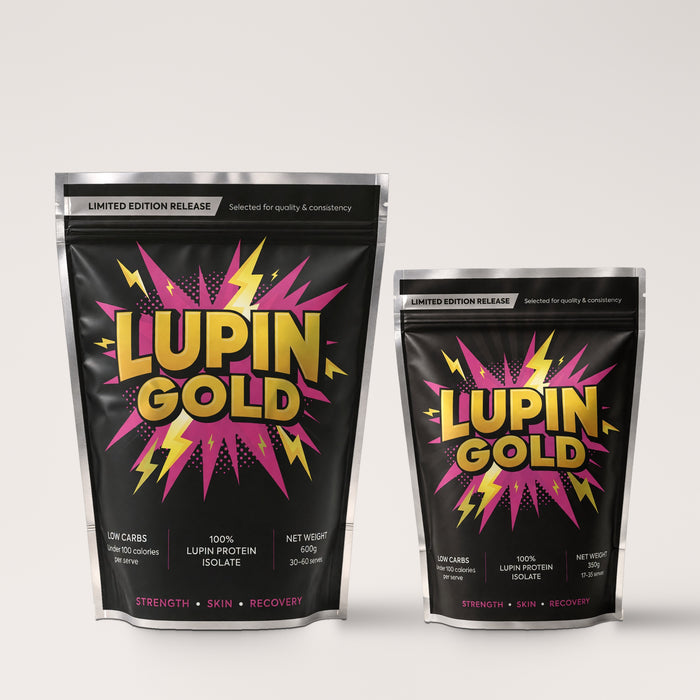
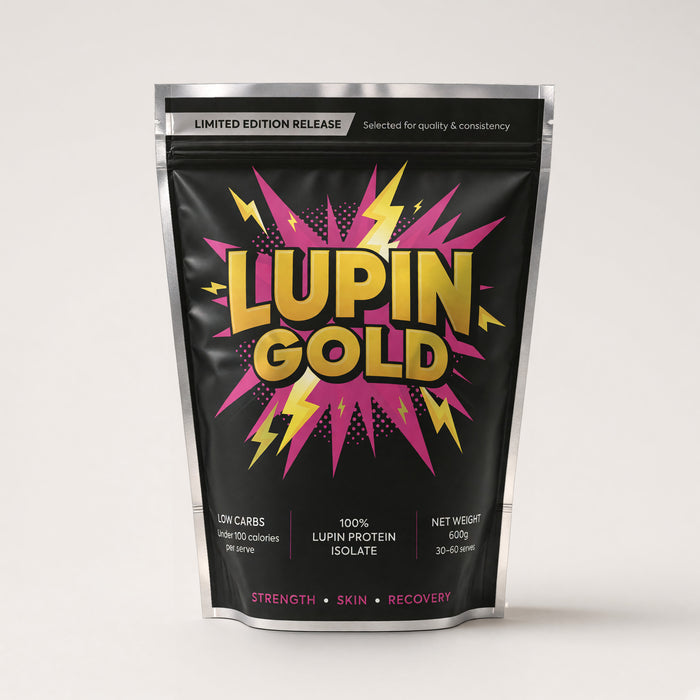
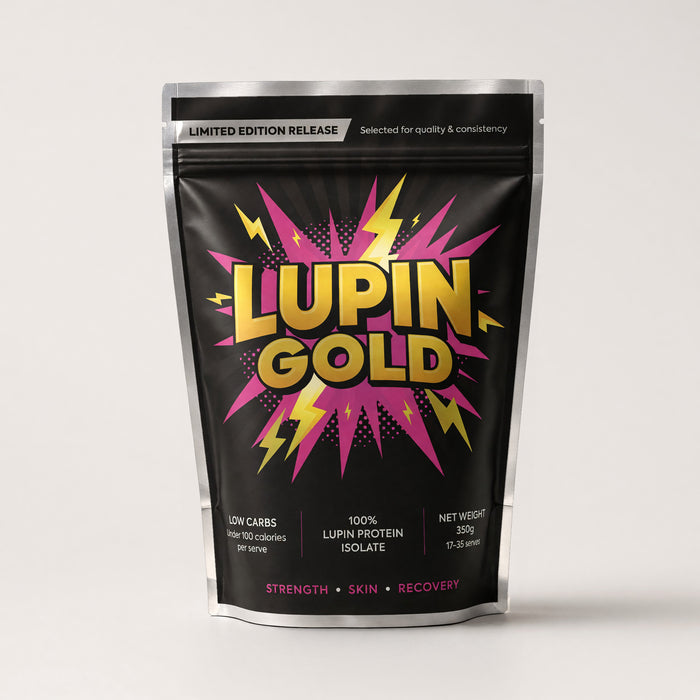
Lupin Gold Plant Protein Isolate fits into everyday food as a clean, neutral option. It works like an ingredient, not a dessert-flavoured supplement.
- Single ingredient: lupin protein isolate.
- Unflavoured: neutral taste that suits sweet or savoury meals.
- No stevia, gums, or fillers: for people who prefer a simpler ingredient list.
- Sourcing: Lupin Gold uses sweet lupins. The protein is refined in Germany, then packed in Australia.

Quick links
Ready to shop instead of research?
FAQs
How much protein do I need after surgery?
Needs vary by surgery type and body size. Your clinician may also give you a daily protein target. Clinicians often recommend more protein during recovery. Appetite and activity can change. If you have a target from your surgeon or dietitian, follow that. If not, ask for an individual recommendation.
Is plant protein ok after surgery?
In many cases, plant protein is suitable, especially when you choose products and foods you tolerate well. If you have allergies, digestive restrictions, or a medical nutrition plan, follow your clinician’s guidance.
What if protein powders upset my stomach?
Tolerance varies. Some people react to sweeteners, gums, thickening agents, added sugar, or strong flavour systems rather than protein itself. If you are sensitive, an unflavoured, minimal-ingredient option can be easier to trial. If symptoms persist, stop and speak with your healthcare professional.
When can I start fibre again after surgery?
It depends on the procedure and your post-op instructions. Some people need to reintroduce fibre gradually, especially after abdominal surgery. Follow your surgeon’s plan, and if constipation is an issue, ask for tailored advice.
Can I have smoothies after surgery?
Often, yes, especially if chewing is uncomfortable or appetite is low. Keep ingredients gentle and avoid overloading fibre if your gut is sensitive. If you have texture or swallowing restrictions, follow your clinician’s guidance.
Keep it simple
Post-op recovery works best with consistency, not perfection. Focus on hydration, adequate protein, gentle meals you can repeat, and plenty of rest. If you are unsure what is appropriate for your surgery type, check with your surgeon, GP, or dietitian.
Disclaimer: This content is general information only and does not replace medical advice. Always follow your surgeon/doctor/dietitian’s guidance for your specific situation.