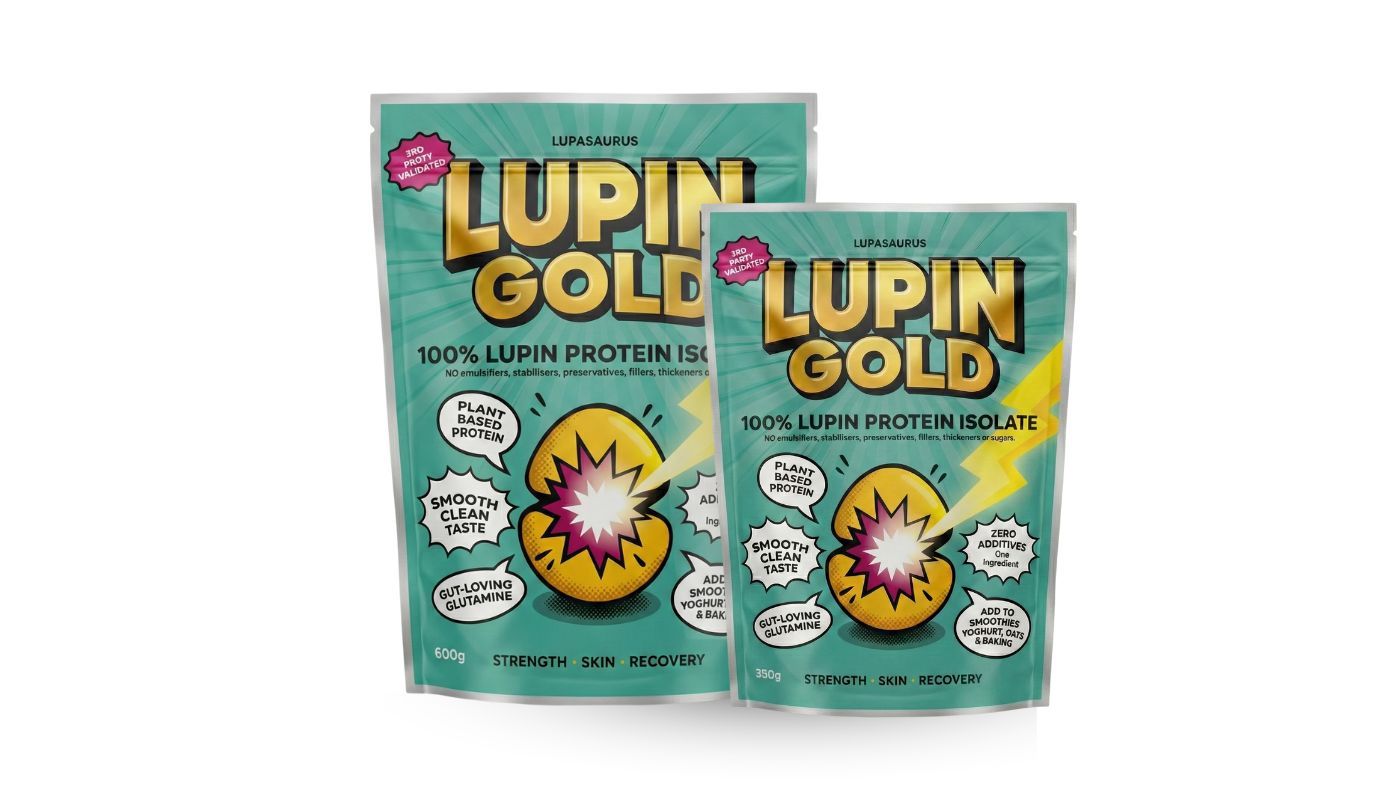


If you have ever stood in the supplement aisle wondering whether protein powders are genuinely useful or mostly marketing, you are not alone. This guide covers how much protein men actually need, how to choose the right source, and why consistency matters more than any specific product.

This content is general information only. It does not replace medical or dietary advice. Always consult your healthcare professional before making changes to your nutrition or supplement routine.
Quick navigation
How Much Protein Do Men Need Per Day?
Daily protein needs vary by activity level, body weight and goal. The general evidence-based ranges for men are:
Daily protein targets for men
- Sedentary: around 0.8g per kg of body weight - the minimum to avoid deficiency
- Moderately active: around 1.2 to 1.6g per kg - supports general health and muscle maintenance
- Resistance training or higher demand: up to 1.6 to 2.0g per kg - commonly associated with muscle protein synthesis optimisation
- Older men (40+): often benefit from the higher end of these ranges as muscle protein synthesis becomes less efficient with age
For a 80kg man who trains regularly, that puts daily protein somewhere between 128g and 160g. Most men fall short of this without actively tracking or structuring their intake.
Choosing the Right Protein Source for Your Routine
Not all protein powders serve the same purpose. The protein source affects how easy it is to digest, how well it fits your diet, and how likely you are to use it consistently.
Most options fall into three broad categories:
- Whey isolate: fast-digesting, high leucine, commonly used around training - dairy-based and not suitable for everyone
- Casein: slower-digesting, often used before longer periods without food - also dairy-based
- Plant-based protein: typically more neutral in taste, easier to tolerate for people with dairy sensitivity, works across a broader range of food applications
For many men, the best option is the one that fits daily use without causing digestive issues or requiring a separate shake ritual. An unflavoured plant protein isolate can be stirred into oats, yoghurt, smoothies or everyday meals without changing the flavour of what you are already eating.
Protein for Muscle Maintenance and Body Composition
Protein intake is commonly associated with maintaining lean muscle mass - particularly when training load drops, calorie intake is lower than usual, or age-related muscle loss becomes a factor.
Your body is always breaking down and rebuilding tissue. Protein provides the amino acids required for that ongoing process. Adequate intake also reduces muscle loss during dieting or periods of lower movement - something relevant for men focused on strength, body composition or long-term function.
During training
Training increases demand for muscle repair. Adequate protein provides the amino acid building blocks involved in that process.
During dieting
When calories drop, adequate protein is commonly associated with supporting muscle maintenance and improving satiety compared to lower protein intakes.
With age
As men get older, muscle maintenance becomes harder. Consistent protein intake at the higher end of recommended ranges is commonly associated with slowing age-related muscle loss.
For body composition
Body composition depends on whether daily protein intake is consistently high enough to support lean mass - regardless of training volume.
Why Daily Intake Matters More Than Timing
Supplement marketing focuses heavily on "perfect timing" - pre-workout, post-workout, before bed. The evidence suggests total daily intake matters significantly more than when you consume it.
Think of protein as a steady supply of building materials. Your body responds better to consistent intake spread across the day than one oversized serving.
For most men, protein supplements are simply a convenient tool to fill gaps when food intake falls short - not a replacement for a structured diet.
Amino Acids in Protein and Why They Matter
Protein is made up of amino acids, which the body uses to support muscle, tissue maintenance, enzyme activity, and many everyday processes. Some are discussed more often because of specific roles:
Leucine
Leucine is a branched-chain amino acid involved in signalling pathways linked to muscle protein synthesis. It's often cited as the key amino acid trigger for MPS - which is why leucine content per serve is worth checking on any protein powder.
Glutamine
Glutamine is used heavily by gut lining cells and immune cells. It's often the first amino acid to become depleted during high training loads or illness.
Arginine
Arginine is involved in nitric oxide production, which plays a role in normal blood vessel function and circulation. It receives significant attention in men's health nutrition for this reason.
Total intake still matters most
Specific amino acids matter at the margins. Overall protein intake across the day remains the bigger priority for most men. Get the total right before optimising individual amino acids.
Where Lupin Protein Stands Out
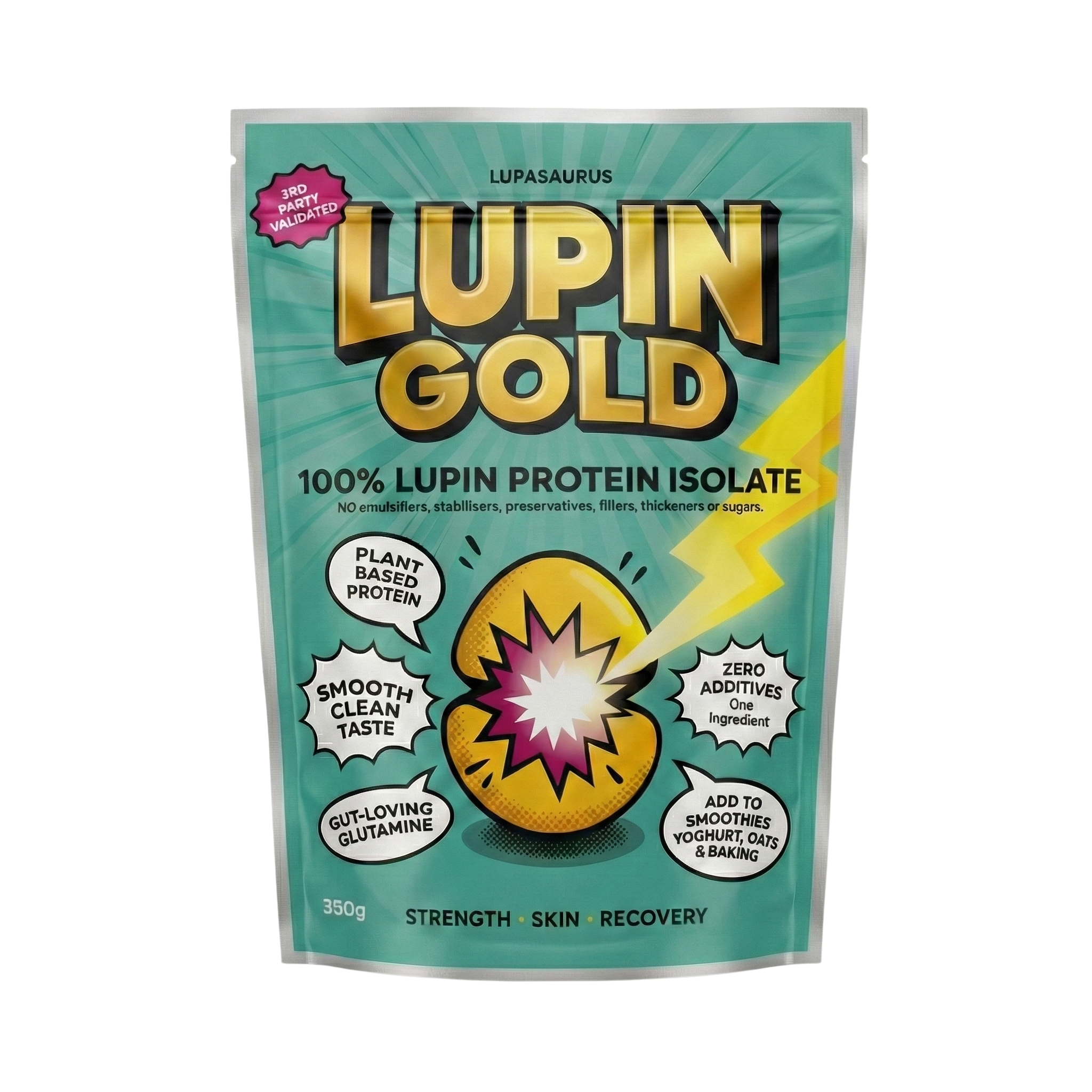
Not all protein sources have the same amino acid profile. Lupin protein isolate is particularly notable for its arginine content - approximately 10.22g per 100g of protein - which is higher than most other plant proteins and relevant in discussions around men's nutrition and circulation.
Arginine is involved in nitric oxide production in the body. Nitric oxide plays a role in normal blood vessel function and circulation - which is why arginine receives attention in men's health and training contexts. That does not make arginine a treatment for any specific condition. Causes of performance or health issues vary, and context always matters.
Beyond arginine, lupin protein also provides:
- ~90% protein content with a digestibility score of ~0.96 - one of the highest of any plant protein
- A complete amino acid profile including all nine essential amino acids and BCAAs
- Naturally occurring glutamine (as glutamic acid) at meaningful levels
- No sweeteners, gums or flavour systems - one ingredient

Why this matters in practice
- Neutral taste: easier to mix into food without changing the flavour of what you are eating
- Simple ingredients: no sweeteners, gums or flavour systems
- Routine-friendly: works in oats, yoghurt, smoothies and everyday meals
- Complete protein: all nine essential amino acids without needing to blend sources
For more on the science behind lupin protein and arginine, visit our science page or read our guide on L-arginine and its role in nutrition.
Building a Protein Routine That Sticks
Most men overcomplicate protein. A better approach is to build something repeatable within a healthy diet - not to optimise every variable.
A simple framework
- Work out your daily protein target based on body weight and activity level
- Identify the meals where your intake is lowest
- Add protein to meals you already eat rather than adding new meals
- Use protein powder only when food sources are not enough to hit your target
Practical ways to add protein without a separate shake:
- Stir a serve into oats or yoghurt at breakfast
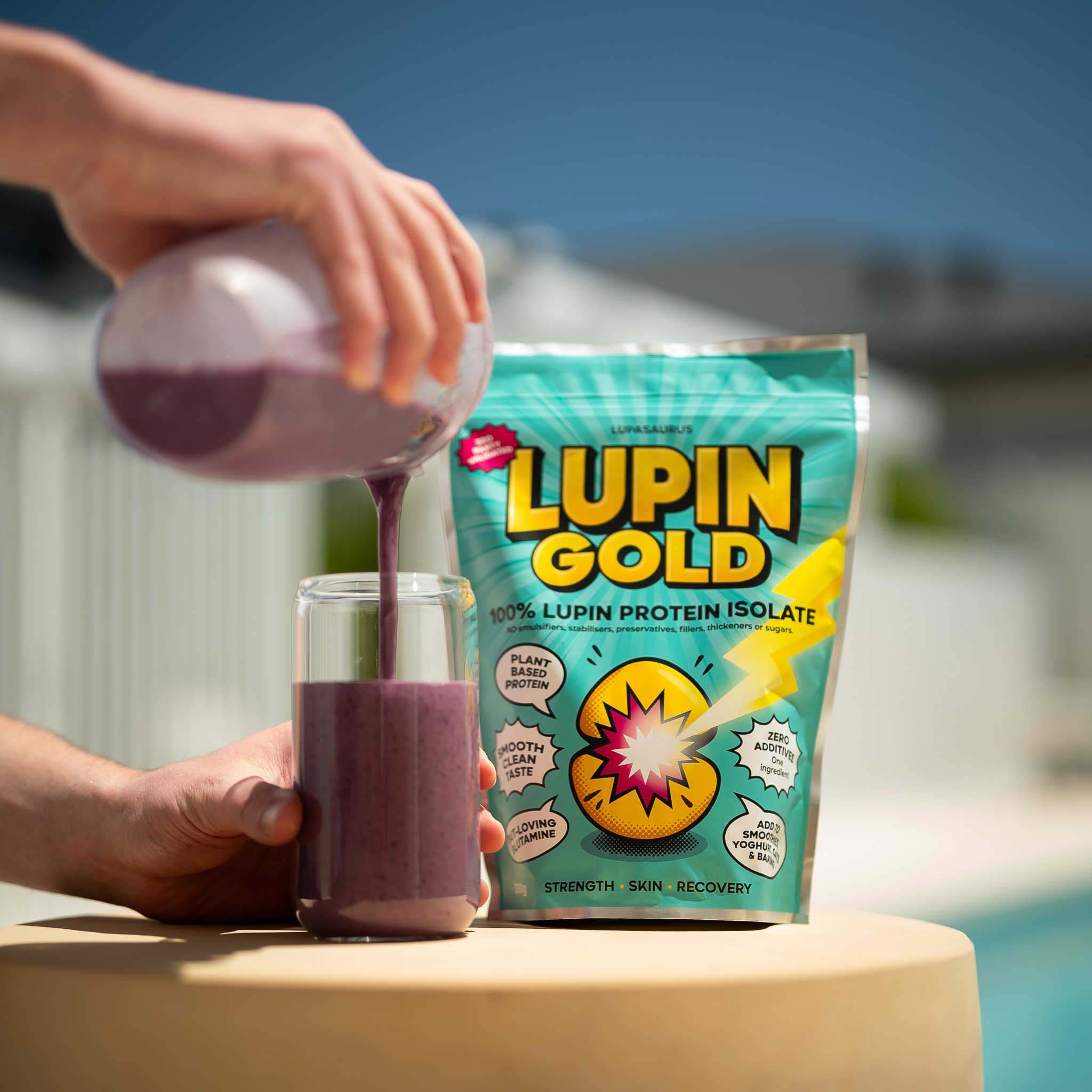
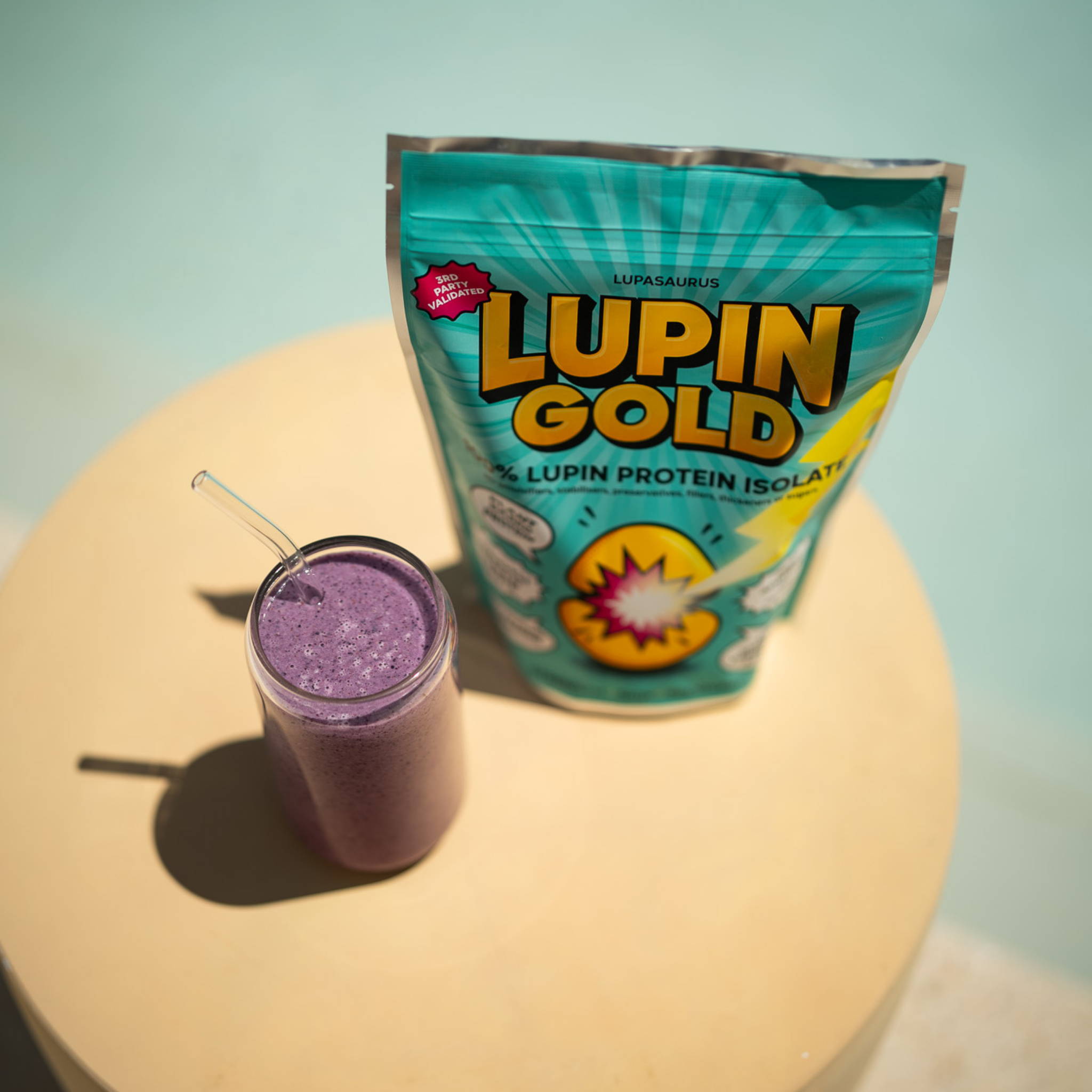
- Blend into a smoothie alongside fruit and vegetables
- Mix into soups, sauces or savoury meals as an invisible protein lift
- Use in baking - works in pancakes, muffins and protein balls
For men who prefer a vegan protein powder or plant-based protein, an unflavoured option is often easier to use consistently than a sweetened product. It gives you more control over taste, texture and ingredient quality.
Ready to keep it simple?
Browse plant protein isolate optionsRelated: Lupin vs soy vs pea vs whey - full comparison - L-arginine and men's nutrition - allergen information
FAQs
How much protein do men need per day?
General evidence-based guidance suggests sedentary men need around 0.8g per kg of body weight, moderately active men around 1.2 to 1.6g per kg, and men doing regular resistance training up to 2.0g per kg. For a typical 80kg active man, that's roughly 130 to 160g of protein per day from all food sources combined. Older men often benefit from the higher end of these ranges as muscle protein synthesis becomes less efficient with age.
Do men need protein powder?
No. Protein powder is not mandatory - it's a convenience tool that helps fill gaps when daily food intake falls short of your target. Many men get enough protein from whole food without supplementation. Powder becomes useful when meals are rushed, food variety is limited, or hitting a higher protein target through food alone becomes impractical.
What type of protein powder is best for men?
The best protein powder for men is the one that fits your diet, digestion and daily routine consistently. Whey isolate has the highest leucine content and is often cited for muscle growth, but it's dairy-based and not suitable for everyone. Plant-based protein isolates - particularly lupin, which has a digestibility score of ~0.96 and a complete amino acid profile - are a practical alternative for men who want a clean, unflavoured option that works in everyday food rather than just shakes.
Is plant protein effective for muscle maintenance in men?
Yes. Plant protein supports muscle maintenance when total daily protein intake is adequate and meals are structured consistently. The key variable is getting enough total protein per day, not the source. Complete plant proteins like lupin provide all nine essential amino acids including leucine, which is involved in muscle protein synthesis signalling.
Why choose unflavoured protein powder?
Unflavoured protein powder is easier to use in oats, yoghurt, smoothies, soups and cooking because it doesn't force everything to taste like a sweet shake. It also typically has a shorter ingredient list with no sweeteners, gums or flavour systems - which matters for men with digestive sensitivity or those who prefer clean-label products. The trade-off is that it doesn't taste great on its own in water, but that's rarely how you'd want to use it anyway.
What makes lupin protein different for men?
Lupin protein isolate stands out for its high arginine content (~10.22g per 100g of protein), complete amino acid profile, and ~0.96 digestibility score. Arginine is involved in nitric oxide production which plays a role in normal circulation - a topic of interest in men's nutrition. Beyond that, it's a single-ingredient powder with no sweeteners, gums or flavour systems, which makes it practical for daily use in real meals rather than just dedicated shake sessions.
How does protein help men over 40?
As men age, muscle protein synthesis becomes less efficient - meaning the body needs more dietary protein to achieve the same muscle-maintaining effect. Men over 40 generally benefit from aiming for the higher end of protein recommendations (1.6 to 2.0g per kg) and from spreading intake consistently across meals throughout the day. Adequate protein intake is commonly associated with maintaining muscle mass, strength and function during the natural ageing process.
Final thoughts
Protein supplements are not mandatory, but they can solve a real problem when food intake consistently falls short.
For most men, the goal is not constant optimisation. It's consistency. Get your daily target right, spread it across meals, use powder as a practical gap-filler, and choose a source that fits your food rather than replacing it.
Disclaimer: This content is general information only and does not replace medical or dietary advice. Always consult your healthcare professional before making changes to your nutrition or supplement routine.