
Most protein powders are built for shakes. They are sweetened, flavoured and thickened, which is fine in a smoothie and a problem in a pizza base or a soup. A savoury protein powder needs to do the opposite: taste of nothing, stay out of the way, and hold up when it is baked or cooked. Here is how to use one.
Quick navigation
What Makes a Protein Powder Work in Savoury Food
Check the ingredient list before anything else. If it includes sweeteners (stevia, sucralose, monk fruit), flavours, cocoa or vanilla, it will show up in savoury cooking. Gums and thickeners can also change the texture of a sauce or dough.
- Unflavoured, not just "natural flavour". Plenty of "unflavoured" powders still carry a sweetener. Look for no sweetener at all.
- A short ingredient list. One ingredient is ideal. Nothing to taste, nothing to react with the rest of the dish.
- Fine and neutral. A fine powder blends into flour and liquids without clumping or grit.
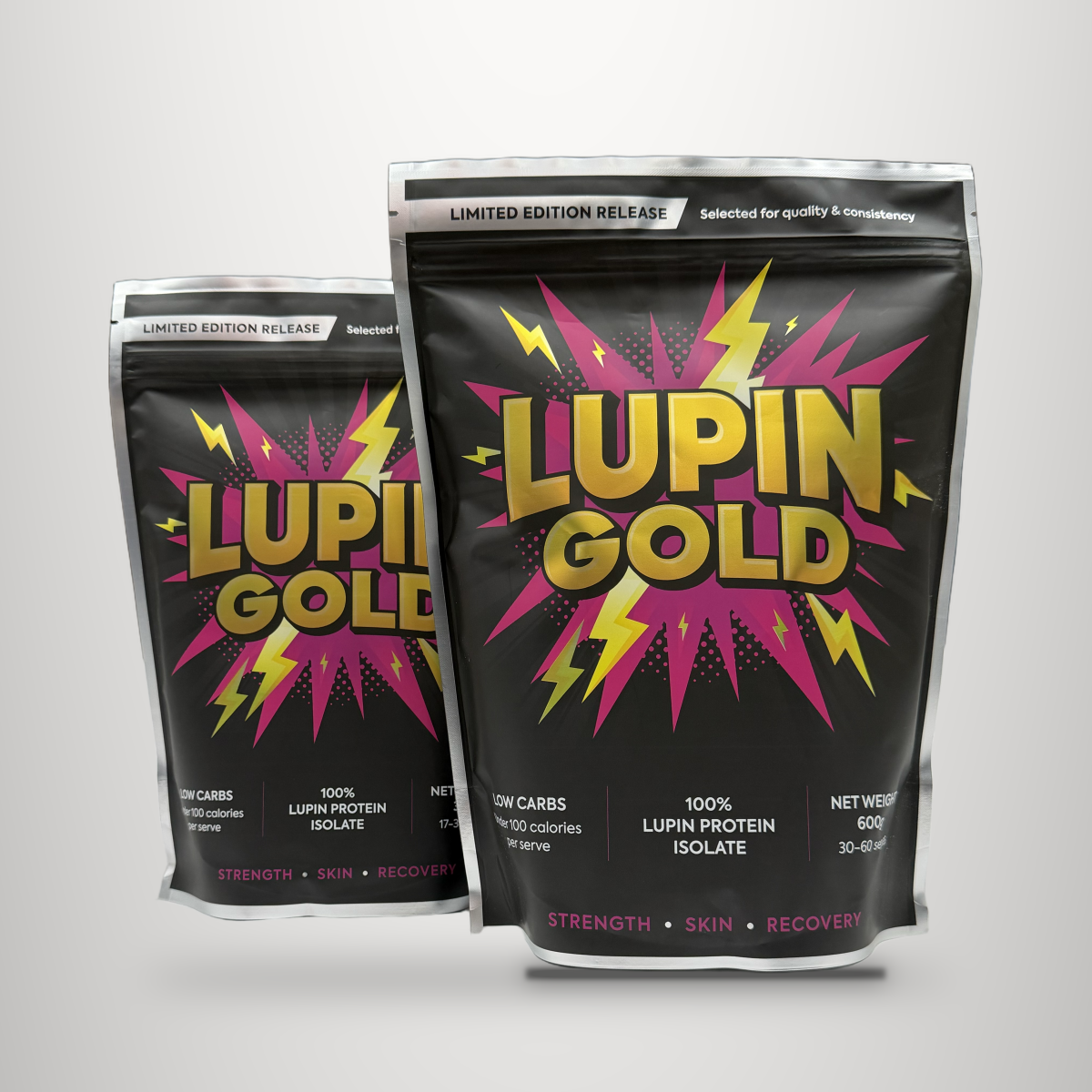
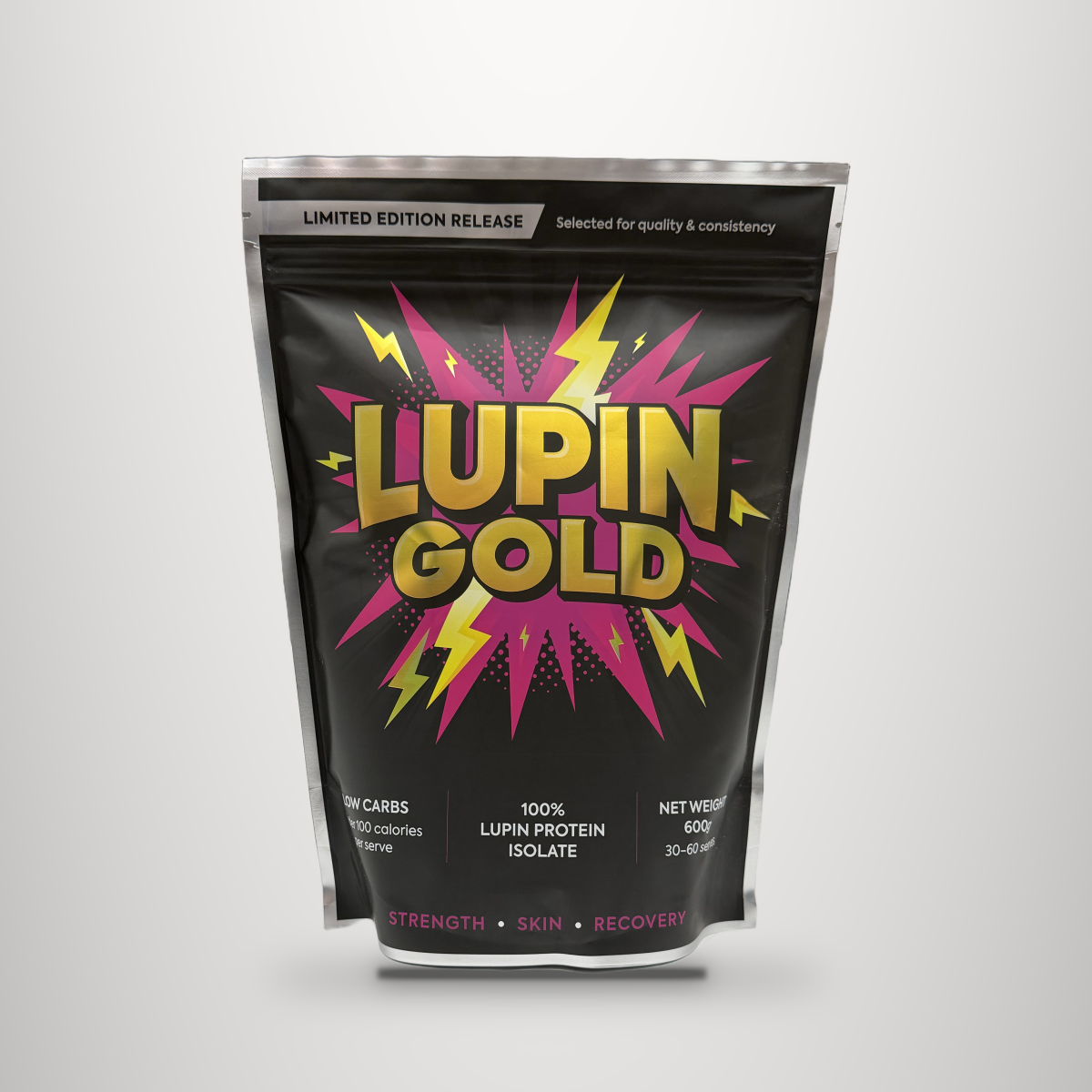
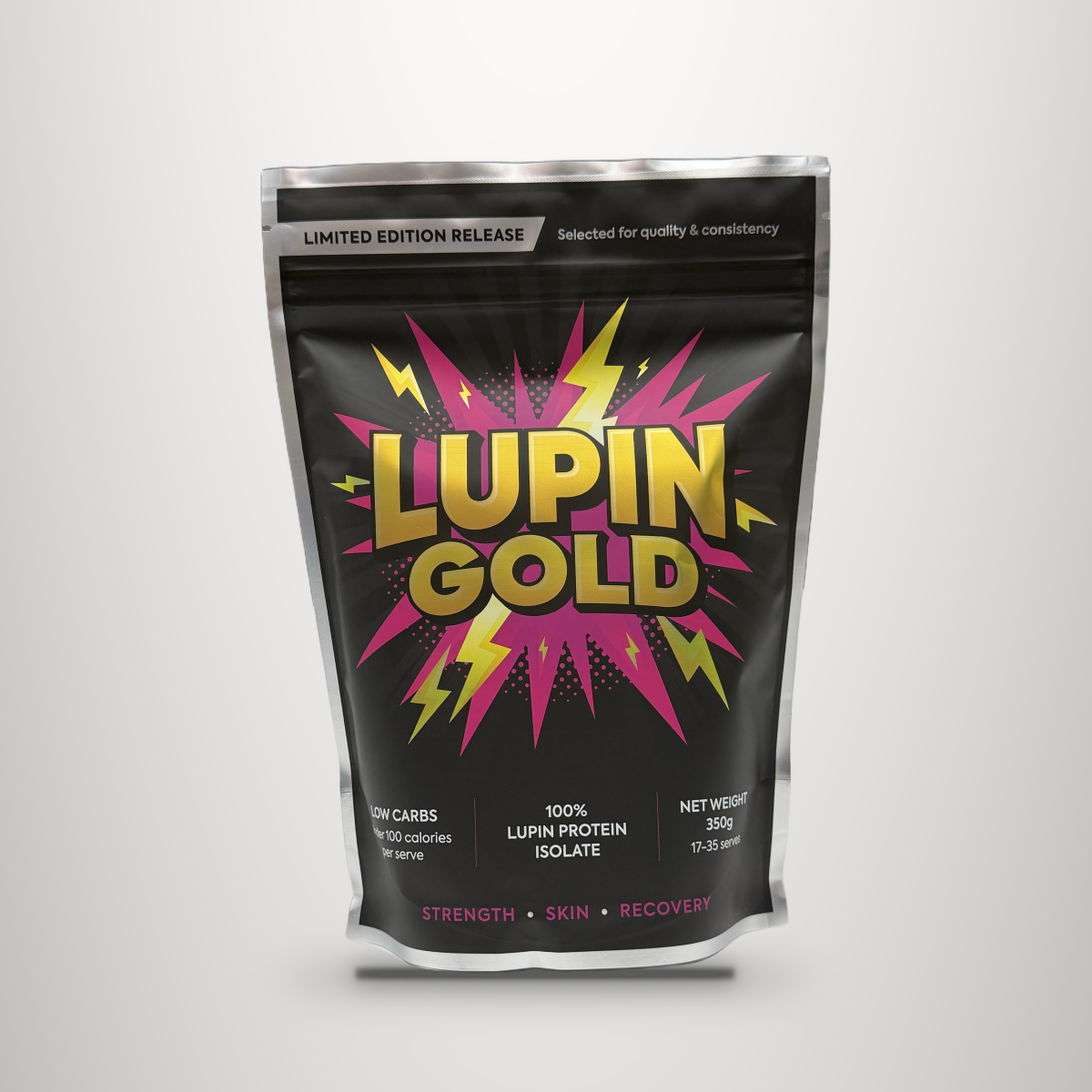
Lupin Gold is a single-ingredient lupin protein isolate, around 90% protein, with no sweeteners, flavours or gums. That is why it works in the savoury recipes below.
Six Ways to Use Protein Powder in Savoury Cooking
- Bread and bagels. Swap a portion of the flour for protein powder. Our bagels use 50 g of Lupin Gold with 450 g of bread flour.
- Pizza dough. Two tablespoons (about 15 g) stirred through 300 g of plain flour lifts the protein in the base with no change to the method.
- Soups and sauces. Whisk a spoonful into a little cold liquid first, then stir it through. It thickens slightly, so add it gradually.
- Crumb and coatings. Mix it through breadcrumbs or use it in place of some flour when coating schnitzels, patties or fish.
- Patties and fritters. Add a spoonful to the mix for veggie patties, rissoles or zucchini fritters. It helps bind as well as adding protein.
- Savoury pancakes and flatbreads. Replace part of the flour in a savoury pancake or flatbread batter, the same way you would in baking.
A good starting point for any flour-based recipe is to replace around 10% of the flour. Go higher once you know how your recipe behaves, and expect to add a splash more liquid.
Savoury Recipes to Start With
Lupin Protein Pizza Dough
Two bases, about 23 g of protein across the batch, and the same method as a standard dough.
High Protein Bagels
Eight bagels at around 11.6 g of protein per 100 g bagel.
High Protein Sourdough
45 g of Lupin Gold through a standard sourdough loaf.
For more ideas, including how it compares to lupin flour in baking, see our guide to lupin flour.
An unflavoured protein powder made for cooking
Single ingredient, around 90% protein, no stevia or sweeteners. It disappears into savoury food the same way it disappears into a smoothie.
Shop unflavoured protein powderFAQs
Can you cook with protein powder?
Yes. An unflavoured, unsweetened protein powder can go into breads, doughs, soups, sauces and coatings. Flavoured shake powders are harder to use because the sweetener and flavour carry through.
What is the best protein powder for savoury food?
One with no sweetener, no flavour and as few ingredients as possible. A single-ingredient isolate like lupin protein isolate is the simplest option because there is nothing in it to taste.
How much protein powder can I add to a recipe?
Start by replacing around 10% of the flour, or adding a tablespoon or two to a soup or sauce. Protein powder absorbs liquid, so you may need a little more water or stock.
Is Lupin Gold suitable for people with allergies?
Lupin is a declared allergen in Australia, and some people with a peanut allergy also react to lupin. Please check our allergen information before using it.