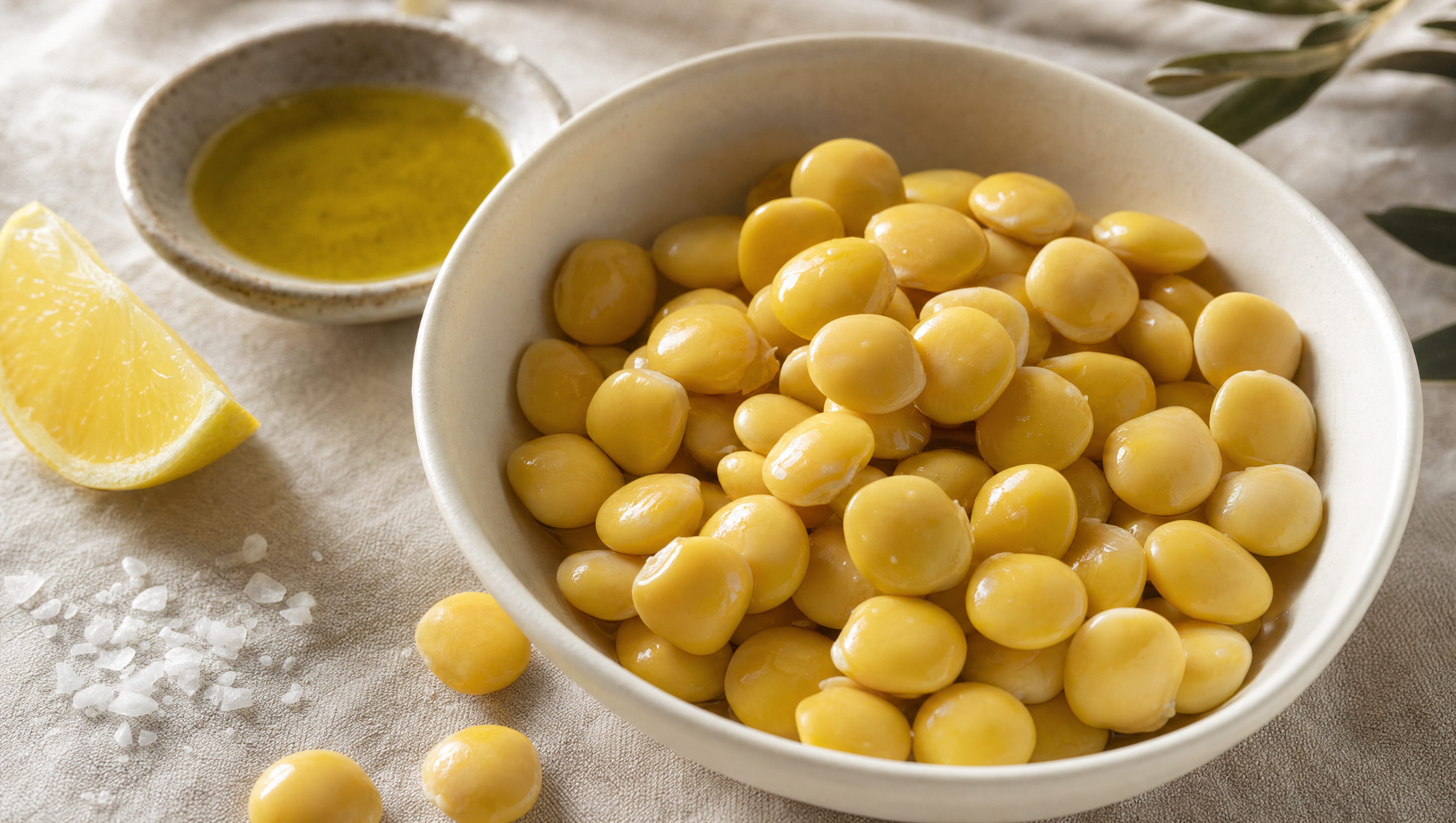

If you are on a low FODMAP diet and looking for a protein powder, the honest answer is not a brand name. It is this: a protein powder's FODMAP content depends on how well that particular manufacturer purified it, not on which plant or animal it came from. Monash tried to give the category a generic answer, tested it, and concluded they could not. Here is what that means for whey, pea, soy and lupin, and how to work out where any given tub sits.
Quick navigation
The Short Answer
No protein powder is low FODMAP because of what it is made from. It is low FODMAP because the manufacturer removed the fermentable carbohydrates properly, and the only way to know that for a specific product is a laboratory test.
That is the single most useful fact in this whole topic. The people who literally invented FODMAP testing looked at one protein type across the market and concluded the answer was brand-specific, not ingredient-specific. If someone tells you a category of protein powder is low FODMAP, they know something Monash does not.
The practical version:
- Monash Low FODMAP Certified on the pack is the only way to be certain. It means that product was lab tested at the serve size on the label.
- Isolates beat concentrates as a rule of thumb, because the extra processing that lifts protein content is the same processing that strips fermentable carbohydrates out.
- What is added matters more than the protein. Inulin, chicory root, polyols and some sweeteners will take an otherwise clean powder high on their own.
- Untested is untested. A short ingredient list makes a product easier to reason about, not proven.
Why Protein Powder Is a FODMAP Problem at All
Protein itself contains no FODMAPs. FODMAPs are carbohydrates, so pure protein is irrelevant to a low FODMAP diet. The problem is that no protein powder is pure protein.
Every powder starts as a whole food that did contain fermentable carbohydrates: milk with lactose, peas and soybeans and lupins with galacto-oligosaccharides and fructans. Processing removes most of it. How much is left depends on how thoroughly it was done.
Monash put it directly: plant-derived proteins "can be particularly challenging to purify, and often contain some FODMAPs (eg. GOS and fructan)". And because a product can be 70 to 90% protein and still carry enough residual carbohydrate to matter, the protein percentage on the front of the pack tells you very little about the FODMAP content.
Is Whey Protein Low FODMAP?
It depends entirely on whether it is an isolate or a concentrate, and the difference is lactose.
Monash explains the mechanism plainly: "Whey protein isolates undergo extensive processing so that the final product is higher in protein. Whey protein concentrates are therefore lower in protein and higher in carbohydrates like lactose."
Whey protein isolate
Most of the lactose is processed out. Generally the better bet on a low FODMAP diet, though still worth checking the specific product and what has been added to it.
Whey protein concentrate
Retains more lactose. More likely to be a problem, and the cheaper tubs are usually concentrate. Check the label rather than assuming.
Two things people miss. "Whey protein blend" often means concentrate doing most of the work. And lactose intolerance and IBS are different conditions that frequently travel together, so a whey concentrate can cause trouble by two separate routes.
Is Pea Protein Low FODMAP?
There is no generic answer, and that is not a hedge. It is Monash's published position.
Monash tested 100% pea protein products from multiple brands, found significant variability in FODMAP content between them, and chose not to create a generic pea protein entry in the FODMAP app at all. Whole peas, fresh and canned, are high FODMAP at a standard serve. What survives into an isolate depends on the manufacturer.
This is worth holding onto, because pea protein is the most common plant protein in Australian supermarket blends and it is frequently described online as low FODMAP. That claim does not have Monash behind it.
Is Soy Protein Low FODMAP?
Soy is the clearest illustration that the processing decides it, because the same bean gives two different answers.
Whole soybeans and soy flour are high FODMAP. But soy milk made from soy protein rather than the whole bean is low FODMAP, because the fermentable carbohydrates were left behind with the rest of the bean. Same plant, different process, opposite result.
Soy protein isolate is generally the more refined end of the scale, but the same rule applies: it depends on the manufacturer, and only a test settles it.
Is Lupin Protein Low FODMAP?
Whole lupini beans and lupin flour are not low FODMAP. Lupin is a legume, and Monash names lupin flour directly as a high-FODMAP ingredient that raises the FODMAP content of the gluten-free products it is added to. If you are eating lupini beans whole, treat them the way you would treat any other bean.
The isolate is a different food, and the published measurements are striking:
GOS content, by how far the lupin has been processed
| Form | GOS per 100g dry matter |
|---|---|
| Raw lupin seed | 9.1 g |
| Lupin protein concentrate | 10.74 g |
| Lupin protein isolate | Not detected, or under 0.005 g |
Vogelsang-O'Dwyer et al., Foods 2020;9(2):230, measured by HPAEC-PAD on blue and white lupin protein isolates. Blue lupin is Lupinus angustifolius, the Australian sweet lupin. Seed and concentrate figures are from Andersen et al. and Ispiryan et al. as cited in that paper.
Note the middle row. The concentrate measured higher in GOS than the raw seed it came from. "Concentrate" and "isolate" are not interchangeable words, and on this question they point in opposite directions. The isolate figures are the acid extraction step doing its job: GOS are small molecules and they wash out with the carbohydrate fraction while the protein is precipitated.
Where Lupin Gold sits, stated plainly
Lupin Gold is a lupin protein isolate, around 90% protein, with roughly 3% of the lupin's own fibre, 6% lupin oil and 1% natural lupin salts remaining. Single ingredient, no added gums, sweeteners, inulin or chicory root.
It has not been FODMAP tested, and it is not Monash Low FODMAP Certified. The research above is on isolates made by a named laboratory process, not on this product, and we are not going to tell you those are the same thing. What we can tell you is what it is, what is in it, and that there is nothing added to it that Monash warns about.
If you are in the elimination phase of a low FODMAP diet, the correct move is to use a certified product or work with your dietitian. If you are in the reintroduction or maintenance phase, the normal approach applies: start with a small serve and build as tolerated.
See what is in Lupin GoldWhat Actually Pushes a Protein Powder High FODMAP
In practice the protein is usually not the culprit. The additives are. Monash's guidance on what to avoid in a protein powder is specific:
- Added prebiotic fibres. Inulin, chicory root and FOS are high FODMAP by design, because feeding gut bacteria is the entire point of them. Anything marketed on "gut health" or "prebiotic" deserves a look at the ingredient list.
- Polyols. Xylitol, sorbitol, mannitol and maltitol, common in sweetened and "sugar free" powders. The P in FODMAP.
- Lactose, mainly via whey and milk protein concentrates.
- Residual GOS and fructans from incompletely purified plant proteins.
- High fructose sweeteners such as honey powder or agave.
A note on the word "prebiotic", because it gets used for two different things. Monash's warning is about prebiotic fibres added to a powder, in quantities chosen to have an effect. That is a different matter from a small amount of a plant's own residual fibre left behind by processing. If the ingredient list names inulin, chicory root or FOS, that is the first thing to look at.
How to Read the Label
- Look for the Monash certification stamp first. If it is there, the product was lab tested at the serve size on the pack and you can stop reading.
- Count the ingredients. One is easiest to reason about. A dozen means a dozen things to check.
- Isolate or concentrate? The word is usually on the front. Isolate is the more refined of the two.
- Scan for the specific offenders above: inulin, chicory root, FOS, xylitol, sorbitol, mannitol, maltitol, added lactose or milk solids.
- Check the serve size the claim attaches to. FODMAP status is always dose-dependent. A product can be fine at 20 g and not at 50 g.
- Treat an untested product as untested, however clean the label looks.
FAQs
Is protein powder low FODMAP?
Some are and some are not, and it is decided per product rather than per protein type. Protein itself contains no FODMAPs, but no powder is pure protein, and how much fermentable carbohydrate survives processing varies by manufacturer. The only certainty is a Monash Low FODMAP Certified product, which has been lab tested at the serve size on the pack.
Is pea protein low FODMAP?
There is no generic answer. Monash tested 100% pea protein products across several brands, found significant variability in FODMAP content between them, and decided not to include a generic pea protein entry in the FODMAP app. Whole peas are high FODMAP at a standard serve, and what remains in an isolate depends on the manufacturer.
Is whey protein low FODMAP?
Whey protein isolate is usually the safer option because most of the lactose is processed out. Whey protein concentrate retains more lactose and is more likely to cause symptoms. Monash notes that isolates undergo more extensive processing, leaving them higher in protein and lower in carbohydrates like lactose. Check whether a "whey blend" is mostly concentrate.
Is lupin protein low FODMAP?
Whole lupini beans and lupin flour are not low FODMAP. Lupin is a legume and Monash names lupin flour as a high-FODMAP ingredient. Lupin protein isolate is a different matter: published testing of blue and white lupin isolates found GOS not detected or below 0.005 g per 100 g dry matter, against 9.1 g in the raw seed. That research is on isolates made by a specific laboratory process, not on any particular commercial product, so an individual powder still needs its own test.
Is Lupin Gold low FODMAP?
We have not had it FODMAP tested and it does not carry Monash certification, so we are not going to claim it. What we can say is what it is: a lupin protein isolate at about 90% protein, a single ingredient, with roughly 3% of the lupin's own fibre remaining and no added gums, sweeteners, inulin or chicory root. If you are in the elimination phase of a low FODMAP diet, use a certified product or speak with your dietitian. Otherwise, start with a small serve and build as tolerated.
What is the difference between protein isolate and protein concentrate for FODMAPs?
An isolate has been processed further, which raises the protein percentage and removes more of the surrounding carbohydrate, including FODMAPs. A concentrate retains more of the original food. For lupin the gap is dramatic: one study measured 10.74 g of GOS per 100 g in a commercial lupin protein concentrate, which is more than the raw seed, against undetectable levels in isolates.
Can I have protein powder with IBS?
Many people with IBS use protein powder without difficulty, particularly single-ingredient isolates with no added prebiotic fibres or polyols. Tolerance is individual, and IBS symptoms have many triggers besides FODMAPs. If you are working through a structured low FODMAP protocol, do it with a dietitian rather than by trial and error, and treat any untested powder as an unknown.
What are the best low FODMAP protein sources?
Plain meat, fish, poultry and eggs contain no FODMAPs at all, and firm tofu, tempeh and hard cheeses are low FODMAP at standard serves. Legumes are the main protein source that needs portion care, since GOS is the FODMAP that dominates them. Monash's own advice on protein powder is to prioritise whole food protein first and treat powder as a top-up.
The bottom line
The category cannot give you a clean answer and the honest brands will say so. FODMAP content in protein powder is set by processing, not by ingredient, which is why Monash tests individual products rather than publishing rules for whole categories. Look for certification if you need certainty, read the ingredient list for the things that reliably cause trouble, and be sceptical of anyone claiming a whole protein type is safe.
Related reading: protein powder and gut health - does protein powder cause bloating - lupini beans explained - what is in lupin protein isolate
Disclaimer: This article is general information, not individual medical or dietary advice. We are not healthcare professionals. The low FODMAP diet is designed to be followed with support from a qualified dietitian, particularly through the elimination and reintroduction phases. Monash FODMAP is not affiliated with Lupin Gold and does not endorse our products. Please speak with your healthcare professional for personalised guidance.