
"Isolate" and "concentrate" are on the front of almost every protein tub, whey and plant alike. They describe how far the protein has been refined, and that changes how much protein you get per scoop, what else comes with it and, for whey, how much lactose. Here is the difference in plain terms, plus what "complete protein" actually means.
Quick answer: A protein concentrate is refined less, so it keeps more of the original food's carbohydrate, fat and (for whey) lactose. A protein isolate is refined further to separate the protein out, so more of each scoop is protein: whey isolate is 90% protein or more, against up to 80% for whey concentrate. Whether a protein is complete depends on its amino acids, not on the word isolate or concentrate. Lupin protein is a complete protein, and Lupin Gold is a lupin protein isolate at about 90% protein.
What is the difference between a protein isolate and a concentrate?
Both start from the same food. A concentrate has had some of the non-protein parts taken out. An isolate goes further, so most of what is left is protein.
That shows up in three places on the label: protein per 100 g, carbohydrate and fat, and, for dairy proteins, lactose. It also tends to show up in the price, because more refining costs more.
Whey protein isolate vs concentrate
Whey is the liquid part of milk left over from cheesemaking, and it is where most of the "isolate vs concentrate" searches start.
- Whey protein concentrate is up to 80% protein by weight. It keeps some fat and carbohydrate, and the carbohydrate is mostly lactose.
- Whey protein isolate is processed further to remove more of the fat and lactose, so it is 90% protein or more. Whey isolate is generally more expensive than concentrate.
The lactose gap is the practical one. Isolate carries much less lactose than concentrate, which is why some people who are lactose intolerant manage an isolate but not a concentrate. Less lactose is not the same as dairy free, though: both are milk protein, and milk is a declared allergen in Australia. Our guide to lactose free vs dairy free protein powder has the figures.
Plant protein isolate vs concentrate
Plant proteins follow the same ladder, from the whole food up to an isolate. Soy is the best documented example.
| Soy product | Protein | How it is made |
|---|---|---|
| Soy flour | About 50% | Ground soybeans |
| Soy protein concentrate | About 70% | Part of the carbohydrate removed from dehulled, defatted soybeans |
| Soy protein isolate | At least 90% (moisture-free) | Protein extracted in water, separated out as a curd, then dried |
Pea works the same way: a pea concentrate is less refined, so it has less protein per 100 g and more of the rest of the pea. Our lupin vs pea protein guide covers pea isolates, concentrates and blends.
Lupin too. Lupin flour and flakes keep most of the seed. An isolate goes further: the seed is soaked and milled, the protein is separated out, then it is pasteurised and spray dried into a fine powder that is about 90% protein.
Is isolate better than concentrate?
Better for what you want from it, not better in general.
- Choose an isolate if you want the most protein per scoop, fewer other ingredients from the source food, or, with whey, less lactose.
- A concentrate is fine if price matters more and the extra carbohydrate, fat or lactose does not bother you.
- Either way, read the panel. The word "isolate" usually points to more protein per 100 g, but some tubs blend an isolate with a concentrate or add other ingredients. Protein per 100 g is the only fair comparison, and our guide to comparing protein per serve fairly shows how.
What is a complete protein?
A complete protein is one that contains enough of each of the nine essential amino acids, the ones your body cannot make: histidine, isoleucine, leucine, lysine, methionine, phenylalanine, threonine, tryptophan and valine.
Isolate or concentrate does not decide this. Completeness depends on the amino acids in the protein source. Refining can change how much protein is in a scoop, and published quality scores can differ between forms: one widely cited study scored pea protein concentrate at a PDCAAS of 0.89 (the score runs up to 1.0), while isolate figures vary by brand and process.
It also matters less than it sounds. Proteins that are lower in one amino acid can make up for each other, and they do not need to be eaten in the same meal. Across a varied diet, most people do not need to think about the completeness of any single food.
Is lupin a complete protein? Yes. Lupin protein covers all nine essential amino acids, with methionine and cysteine as its lowest. Lupin Gold has a digestibility score (PDCAAS) of 0.96. The per-amino-acid breakdown is in BCAAs vs EAAs in lupin protein.
Where Lupin Gold fits
We make a lupin protein, so read this part with that in mind.
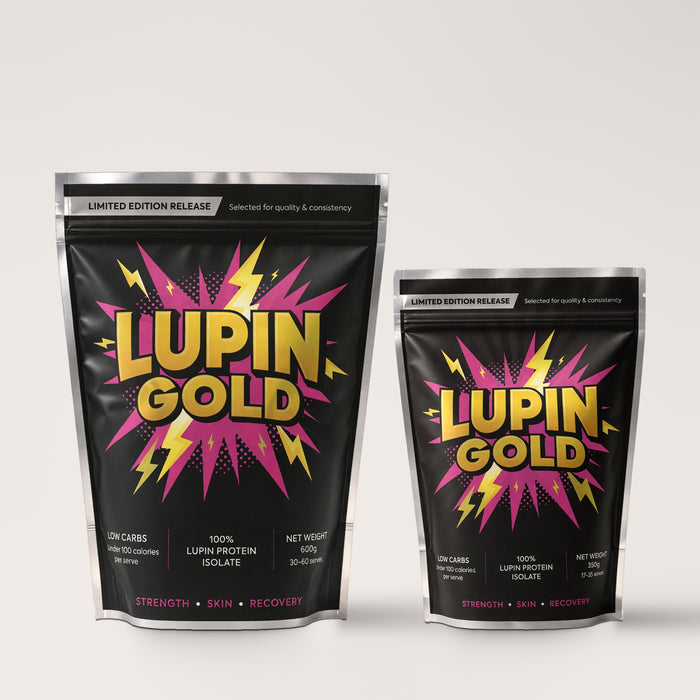
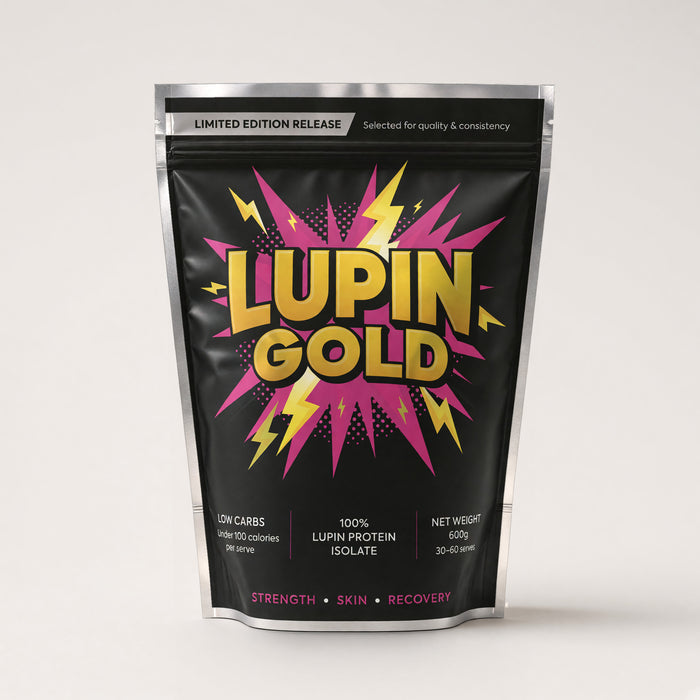
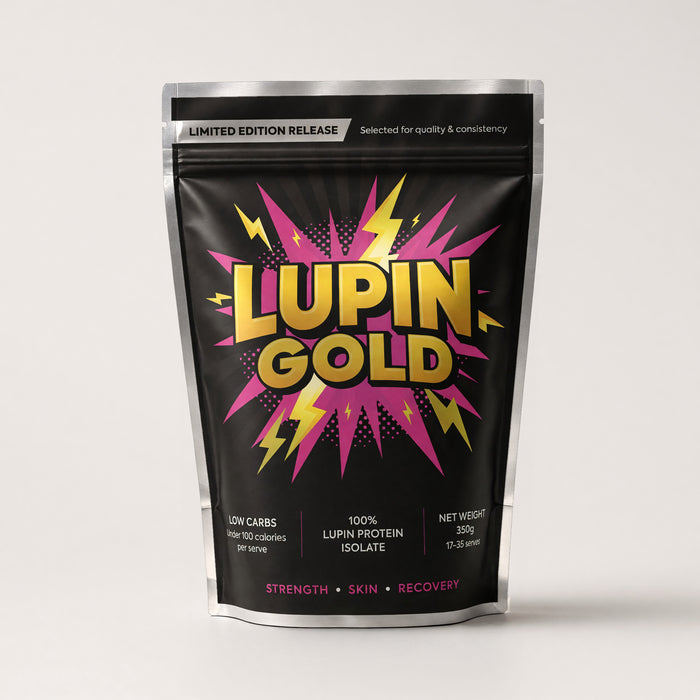
Lupin Gold is a lupin protein isolate, not a concentrate, and it is the only ingredient in the tub. No dairy, no stevia, no gums and no fillers. It is made from European-grown lupins, refined in Germany and packed in WA.
- ~90% protein, 18 g in every 20 g scoop
- Complete amino acid profile, with a digestibility score (PDCAAS) of 0.96
- One ingredient, unflavoured, so it takes on whatever it goes into
Three honest limits. First, lupin is a declared allergen in Australia, and people with a peanut or legume allergy should read our allergen information and get medical advice before trying it. Second, it is not made to be mixed straight into water or milk on its own: it works in smoothies, oats, yoghurt and baking. Third, it carries naturally occurring sodium, 280 mg in a 20 g serve, which is on the nutrition panel on the 600 g product page. For what else is in it besides protein, see what is in lupin protein isolate.
Looking for a plant protein isolate? Shop plant-based protein powder
FAQs
What is the difference between protein isolate and protein concentrate?
An isolate is refined further than a concentrate, so more of each scoop is protein and less is carbohydrate, fat or, for whey, lactose. Whey isolate is 90% protein or more, against up to 80% for whey concentrate.
Is whey isolate better than whey concentrate?
It has more protein per scoop and much less lactose, so it often suits people who are lactose intolerant. It also usually costs more. If lactose does not bother you, a concentrate does the same basic job for less.
Is whey protein isolate dairy free?
No. Whey isolate is lower in lactose, but it is still milk protein, so it declares milk as an allergen. For no dairy at all, choose a plant protein.
Are plant protein isolates higher in protein than concentrates?
Usually, yes. Soy is a clear example: soy protein concentrate is about 70% protein and soy protein isolate is at least 90%. Check protein per 100 g on the nutrition panel, because some products blend the two.
What makes a protein complete?
Containing enough of all nine essential amino acids. Whether a protein is an isolate or a concentrate does not decide it. Across a varied diet, foods that are lower in one amino acid make up for each other, even in different meals.
Is lupin protein a complete protein?
Yes. Lupin protein contains all nine essential amino acids, with methionine and cysteine as its lowest. Lupin Gold, a lupin protein isolate, has a digestibility score (PDCAAS) of 0.96 and 18 g of protein in a 20 g scoop.
Sources
- Healthline. Whey protein isolate vs concentrate (Grant Tinsley, PhD)
- Wikipedia. Whey protein
- Wikipedia. Soy protein
- Wikipedia. Complete protein
- Rutherfurd SM, Fanning AC, Miller BJ, Moughan PJ (2015). Journal of Nutrition 145(2):372 to 379. doi:10.3945/jn.114.195438, PDCAAS figure as tabled in Glanbia Nutritionals' protein quality chart
- Food Standards Australia New Zealand. Food allergies and allergen labelling
- Lupin Gold figures: the nutrition panel on our 600 g product page.
Sources checked 27/10/2026.
Disclaimer: This article is for general information only and reflects our own research and understanding at the time of writing. We are not scientists or medical professionals, and information may evolve. It is not individual medical advice. If you have a food allergy or a medical condition, please speak with your doctor or an allergy specialist.