
The best protein powder for women is the one that fits how you eat, sits well with your stomach and gets used more than twice. There is no female-only protein, so the label matters more than the marketing. This guide compares the main types sold in Australia, shows what to check on the pack, and matches each type to what you actually want it for.
Quick navigation
The Short Answer
Pick the protein type first, then the brand. If you digest dairy well and want a shake after training, a whey isolate does the job. If you avoid dairy, want a short ingredient list, or want something to cook with rather than drink, a single-ingredient plant protein is the better fit. Pink packaging, "toning" blends and added extras do not change what the protein does.
How Much Protein Women Need
The Australian recommended dietary intake is 46 g a day for women aged 19 to 70 and 57 g after 70. It is 60 g in the second and third trimesters of pregnancy and 67 g while breastfeeding. These are the NHMRC Nutrient Reference Values, and they are the amount that prevents deficiency in almost everyone, not a target for training or for holding muscle as you age.
Most women who fall short do it at breakfast and lunch. That is where a protein powder is useful: one serve in oats, yoghurt or a smoothie lifts the meal that was always going to be light. Our guide to the benefits of protein powder for women covers the numbers by life stage.
The Main Types of Protein Powder, Compared
Almost every protein powder on an Australian shelf is one of these, or a blend of them. Protein content is the typical range for the unflavoured ingredient; flavoured products are lower because flavour, sweetener and thickener take up part of the serve.
Protein types at a glance
| Type | Typical protein | Worth knowing |
|---|---|---|
| Whey isolate | About 90% | Dairy. Complete protein, mixes easily. Very low in lactose but still a milk protein. |
| Whey concentrate | About 70 to 80% | Dairy. Cheaper than isolate. Contains more lactose. |
| Pea, or pea and rice blends | About 75 to 85% | Dairy free. The most common plant option. Usually flavoured and thickened to improve taste and texture. |
| Soy isolate | About 90% | Dairy free. Complete protein. Soy is a declared allergen. |
| Lupin isolate | About 90% | Dairy free. Complete protein with a neutral taste, sold as a single ingredient. Lupin is a declared allergen. |
| Collagen | About 90% | Dairy free but not vegan. Not a complete protein. It does a different job from a protein powder. |
Two of these are often confused. Collagen is sold heavily to women, but it lacks one essential amino acid, so it should not be your main protein. Our collagen vs protein powder guide explains the difference. For the plant options side by side, see lupin vs soy vs pea vs whey.
The Best Type for What You Want
A shake after training
Whey isolate if you tolerate dairy. A flavoured pea and rice blend if you do not. Both are built to be shaken with water or milk.
More protein at breakfast
An unflavoured powder you can stir into oats, yoghurt or a smoothie. It adds protein without making breakfast taste like vanilla.
Dairy free or vegan
A plant protein. Check that it is a complete protein and read the ingredient list for gums and sweeteners. Our plant-based protein powder page has more.
A sensitive stomach
Fewer ingredients means fewer things to react to. Sweeteners, gums and lactose are the usual suspects, covered in our guide to protein powder and bloating.
Weight management
Protein makes a meal more filling, and that is all it does here. No powder burns fat. See protein powder and weight loss.
Over 50
Needs rise with age and appetite often falls, so an easy daily serve matters more. Read protein after 50.
Pregnant or breastfeeding? Protein needs are higher, but please speak with your GP, midwife or dietitian before adding any protein powder, and avoid products with added herbs, stimulants or high-dose vitamins unless they have been recommended to you.
Five Things to Check on the Label
- Protein per 100 g. This is the honest comparison, because serve sizes differ. An isolate sits near 90 g. A heavily flavoured blend can be 65 to 75 g.
- The ingredient list. Shorter is easier to judge. Count the sweeteners, gums and flavours.
- Sweeteners. Stevia, sucralose and sugar alcohols are what most people taste, and what some people react to.
- Allergens. Milk, soy and lupin must all be declared in bold on an Australian label.
- How you will use it. A shake powder is made to be drunk. An unflavoured one is made to go into food. Buy for what you will do on a normal Tuesday.
Where Lupin Gold Fits
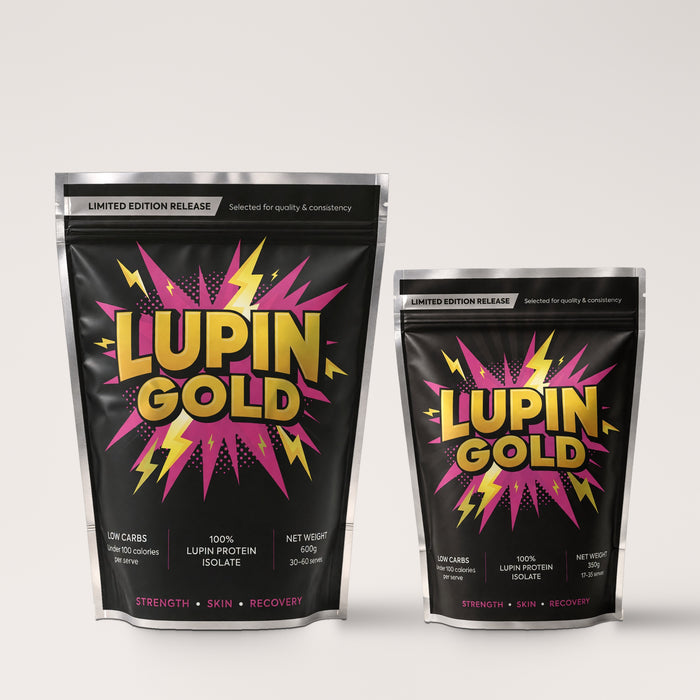
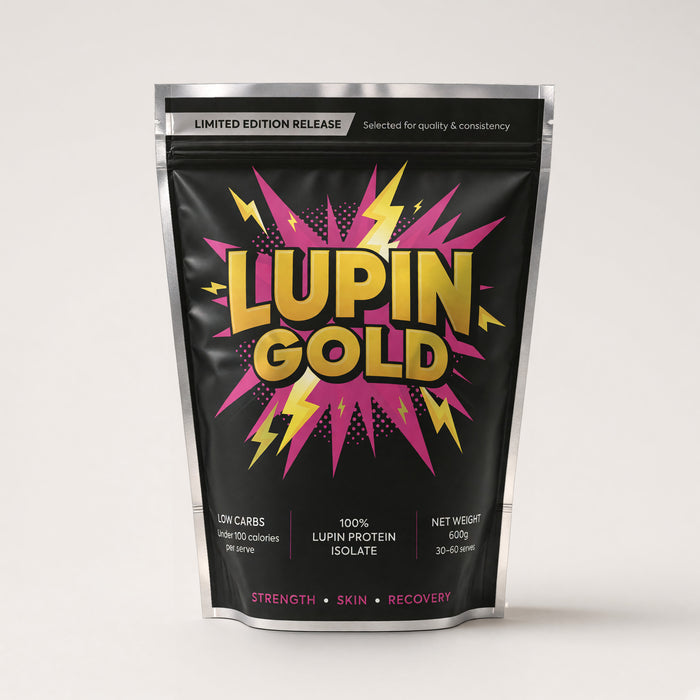
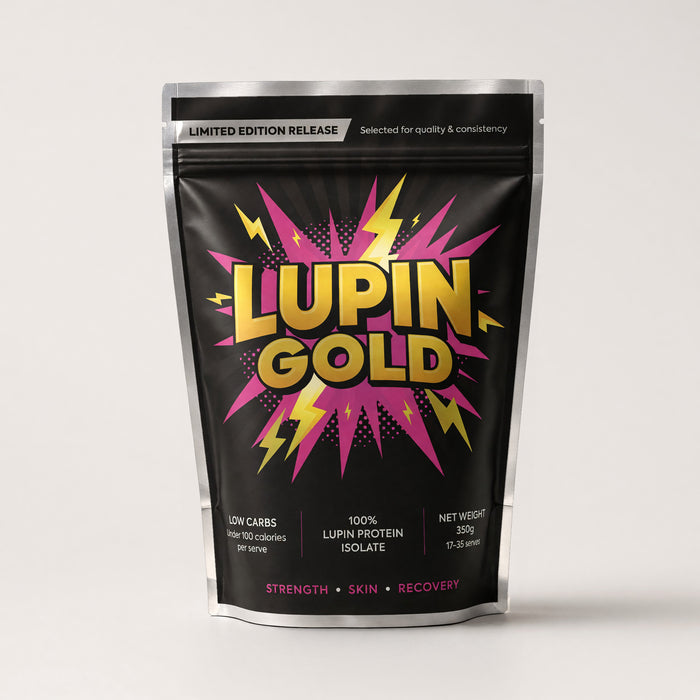
Lupin Gold is one ingredient: lupin protein isolate, about 90% protein, with all nine essential amino acids. It has no dairy, soy, stevia, sweeteners or gums, and it is unflavoured, so it goes into oats, yoghurt, smoothies, baking and savoury food without changing the taste.
It is not the right pick for everyone. It is not made to be shaken with water on its own, so if you want a ready-flavoured shake, a whey isolate or a flavoured plant blend will suit you better. Lupin is also a declared allergen, and people with a peanut or legume allergy should read our allergen information first.
Shop protein powder for womenFAQs
What is the best protein powder for women in Australia?
The one that matches your diet and how you will use it. Whey isolate suits women who tolerate dairy and want a shake. A single-ingredient plant protein suits women who avoid dairy, want fewer additives, or want to add protein to food. Compare protein per 100 g and the ingredient list rather than the front of the pack.
Do women need a different protein powder from men?
No. Protein is the same nutrient whoever eats it. Women generally need less in total because the recommendation scales with body weight, so the serve may be smaller, but the product does not need to be different.
How much protein powder should a woman have a day?
One serve a day is typical, used to lift a low-protein meal. The Australian recommended dietary intake for women aged 19 to 70 is 46 g of protein a day from all food, so a powder is a top-up, not the main source.
Is whey or plant protein better for women?
Neither is better for everyone. Whey isolate is a complete protein that mixes easily, but it is dairy. A complete plant protein does the same job without milk, and is the choice if you are vegan, dairy free or do not feel good on whey.
Will protein powder make me gain weight?
Not on its own. A 20 g serve of Lupin Gold is under 100 calories. Weight changes come from your total food intake over time, not from one ingredient.
Disclaimer: This article is general information only and is not individual medical or dietary advice. We are not healthcare professionals. Please speak with your GP or dietitian for advice that fits you, especially if you are pregnant, breastfeeding or managing a health condition.