
Protein powder doesn't cause weight loss. A calorie deficit does. But getting enough protein while you're in that deficit is one of the most practical things you can do to make it work, and keep it working.
Does protein powder help with weight loss?
The honest answer: not directly. No powder burns fat. What protein does, when you're eating at a calorie deficit, is make that deficit easier to maintain and less damaging to your body composition.
There are three practical mechanisms worth understanding:
Satiety. Protein is more filling than carbohydrate or fat. Research consistently shows higher-protein diets are associated with reduced appetite and lower overall calorie intake. Not because of any magic. Because you're less likely to keep eating when you feel full.
Muscle preservation. When you're in a calorie deficit, your body doesn't only use fat for energy. It will also break down muscle if protein intake is too low. Adequate protein during a fat loss phase plays a key role in preserving lean mass, which matters for how you look, how you move, and how well your metabolism holds up over time.
Thermic effect. Your body uses around 20 to 30% of the energy in protein just to digest it, compared to around 5 to 10% for carbohydrate and 0 to 3% for fat. This isn't a weight loss strategy on its own, but it means protein contributes fewer net calories than the label suggests.
None of this is about protein powder specifically. These are properties of protein as a macronutrient. A powder is simply one way to hit your target, particularly when whole food sources aren't practical.
What to look for in a protein powder for weight loss
If you're using a protein powder to support a fat loss goal, the label matters more than the marketing.
- High protein per 100g. Aim for 80% or above. Anything significantly lower means a meaningful proportion of each serve is coming from carbohydrate, fat, or filler. That adds calories without adding protein.
- Low calories per serve. A useful powder should give you a substantial protein hit without contributing a large calorie load. Around 100 calories or less per 30g serve is a reasonable benchmark.
- No stevia, gums, or artificial sweeteners. These add nothing useful. They exist to make mediocre formulas more palatable. If you're putting powder into real food (oats, yoghurt, smoothies, soups), you don't need them.
- Unflavoured or lightly flavoured. Flavoured powders restrict how you can use them. An unflavoured powder works across the full range of meals without fighting other ingredients.
- Complete amino acid profile. For muscle preservation during a deficit, all nine essential amino acids need to be present, particularly leucine, which plays a central role in muscle protein synthesis.
If the ingredient list has more than one or two items, it's worth asking what the extras are actually doing.
How much protein do you actually need?
The general recommendation during a fat loss phase, where preserving muscle is the goal, is around 1.6 to 2.0g of protein per kilogram of body weight per day. The higher end of that range is often recommended when training load is significant or calories are meaningfully restricted.
Protein needs also shift with age. If you're over 50, see our guide to protein for people over 50 for age-specific targets.
In practical terms:
- A 70kg adult needs around 112 to 140g of protein per day
- An 80kg adult needs around 128 to 160g of protein per day
Most Australians fall well short of these targets, particularly at breakfast and lunch. Spreading intake across meals, rather than loading it all at dinner, is associated with better muscle protein synthesis throughout the day.
For a broader breakdown of daily protein targets and how to hit them through food and supplementation, see our guide to the importance of protein in your diet.
These are targets to aim for through a mix of whole food and supplementation, not numbers to stress about hitting precisely every day.
Where protein powder fits in (and where it doesn't)
Protein powder is a convenience tool. That's the most accurate framing.
It doesn't replace a good diet. It doesn't undo a calorie surplus. One scoop of protein in your morning oats is not a fat loss strategy. It's one contribution toward a daily protein target that still needs to be met across the rest of your meals.
Where powder earns its place is in the gaps: the breakfast you're rushing through, the post-training window when appetite is low, the lunch that's light on protein because you were eating on the go. In those moments, a clean powder with high protein density and no unnecessary calories is genuinely useful.
Whole food first, always. Chicken, eggs, legumes, Greek yoghurt and tinned fish should make up the bulk of your protein intake. Powder fills what's left.
Looking for a single-ingredient option with nothing added? Shop plant-based protein powder
How Lupin Gold fits this goal
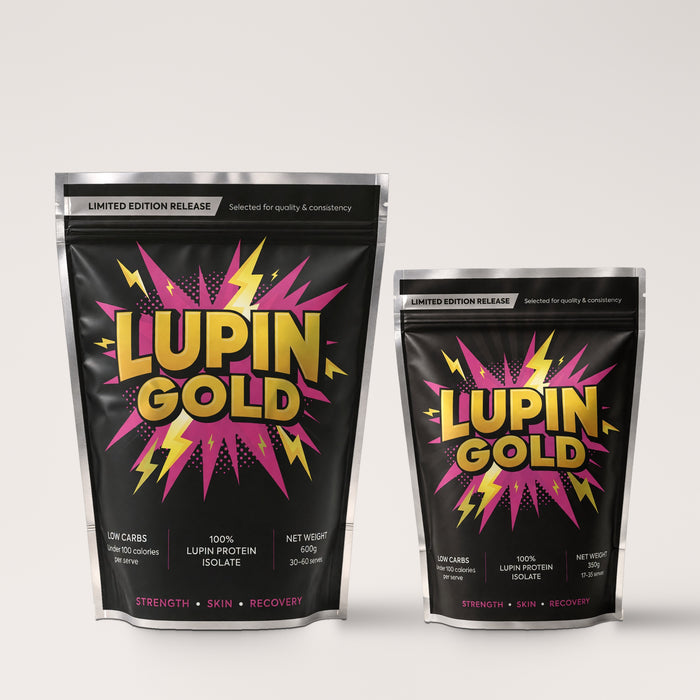
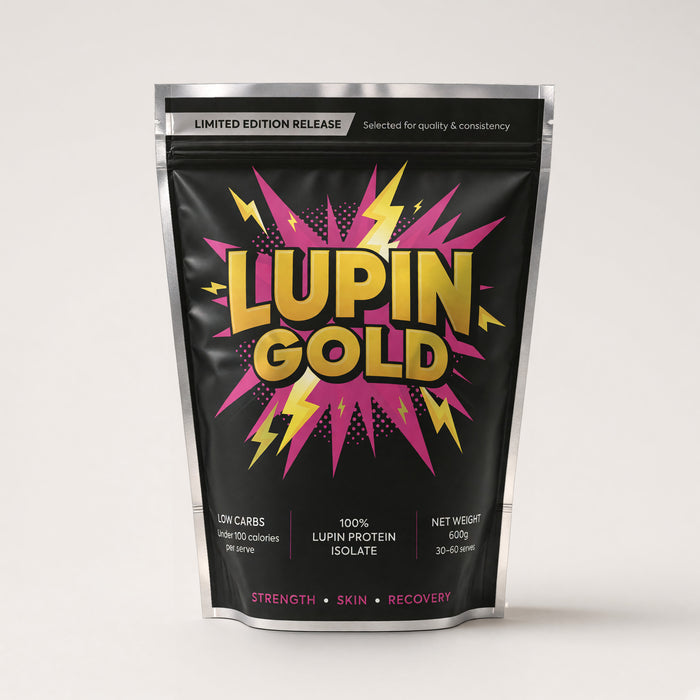
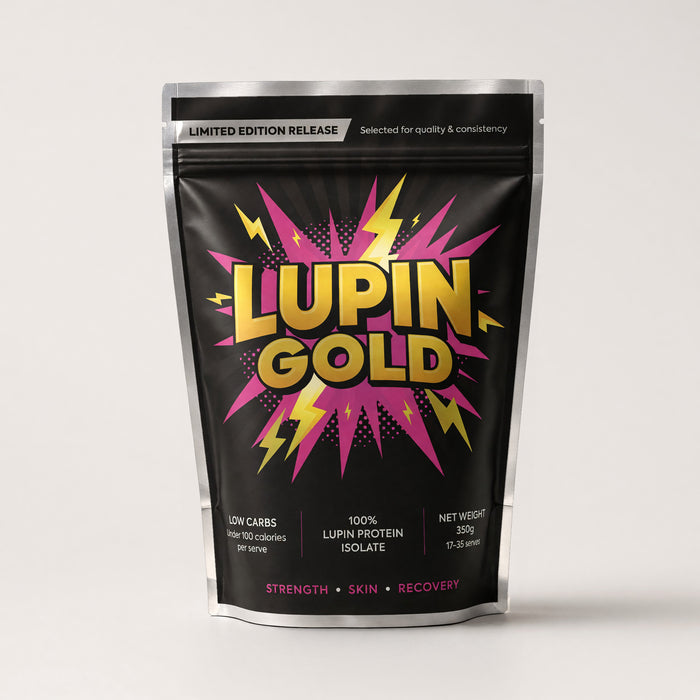
Lupin Gold is lupin protein isolate. One ingredient, nothing added. It sits close to 90% protein per 100g, with around 90 to 100 calories per 30g serve. No stevia. No gums. No filler carbohydrates. No flavour systems.
It's completely unflavoured, which means it works in oats, smoothies, yoghurt, soups, and baking without changing the taste of whatever you're making. If you're trying to add protein across meals, not just replace meals with shakes, that flexibility matters. Start with the 600g lupin protein isolate.

- Around 90% protein per 100g
- Around 96% digestibility score
- Around 90 to 100 calories per 30g serve
It contains a complete amino acid profile. All nine essential amino acids are present, which makes it useful for muscle preservation during a calorie deficit. It also contains a small amount of naturally occurring prebiotic lupin fibre, which is commonly associated with gut health and satiety. It's not added. It's a natural component of the lupin seed.
Lupin is a declared allergen in Australia. If you have a legume allergy or sensitivity, check with your healthcare professional before using.

Frequently asked questions
Does protein powder cause weight loss?
No. Protein powder doesn't cause weight loss on its own. Weight loss requires a sustained calorie deficit. Protein, whether through food or powder, helps you maintain that deficit by keeping you fuller for longer, preserving muscle mass, and contributing fewer net calories due to its higher thermic effect. It's a support tool, not a solution.
What is the best protein powder for weight loss in Australia?
There's no single best option, but the criteria are consistent: high protein per 100g (aim for 80% or above), low calories per serve, no fillers or sweeteners, and a complete amino acid profile. Unflavoured options are more versatile because they work across meals, not just shakes. Lupin protein isolate is one option that fits all of these criteria. It's around 90% protein with no added ingredients.
How many calories are in a serve of Lupin Gold?
Around 90 to 100 calories per 30g serve, with close to 27g of that being protein. It's one of the higher protein-to-calorie ratios available in a plant-based powder.
Can I use protein powder as a meal replacement for weight loss?
A protein powder on its own doesn't replace a meal. It replaces the protein portion of one. Whole meals provide micronutrients, fibre, and variety that a single-ingredient powder can't replicate. That said, adding a scoop to a smoothie with fruit, oats, and some fat can make a nutritionally reasonable quick meal. The framing to avoid is treating a shake as a complete food when it isn't.
Does protein powder make you gain weight?
It can, if it takes your total daily intake above your maintenance calories. Protein powder is food. Extra calories from any source can contribute to weight gain. The same powder used sensibly within a calorie target won't cause weight gain. Context and total intake matter more than the ingredient.
Do protein powders really help you lose weight?
Only as part of a calorie deficit. A powder makes it easier to hit your protein target without many extra calories, and protein helps you feel full and hold on to muscle while you eat less. Without the deficit, a powder is just extra food.
What is the best protein powder for quick weight loss?
There isn't one. Fast drops on the scales are mostly water, and losing weight quickly makes it harder to hold on to muscle. A steady deficit with enough protein every day is the version that sticks. Pick a powder on the label criteria above, not on a promise of speed.
Why do some dietitians say no to protein powder?
Mostly because many people can hit their protein target with food alone, and whole foods bring fibre, vitamins and minerals a powder doesn't. Some powders also carry added sugar, sweeteners and fillers that work against a weight loss goal. A powder makes sense when food alone falls short. If you're unsure whether you need one, talk to your GP or an accredited practising dietitian.

Is lupin protein safe for people with allergies?
Lupin is a declared allergen in Australia. People with legume allergies, particularly peanut or soy allergies, may have a higher risk of reacting to lupin. If you have any known legume sensitivity, speak with your healthcare professional before using lupin protein products.
The short version: Protein powder doesn't cause weight loss, but adequate protein during a calorie deficit makes fat loss more effective and sustainable. Look for a powder with high protein density, low calories, and no unnecessary additions. Use it to fill the gaps whole food leaves. Not as a replacement for eating well.
This article is for general information only and reflects our own research and understanding at the time of writing. We are not scientists, and information may evolve. It is not individual medical advice. Please speak with your healthcare professional for personalised guidance.