
Protein balls are the snack you make without turning the oven on: mix, roll, chill. These are the four protein ball recipes on our site, each made with our unflavoured lupin protein isolate, with the protein figure taken from each recipe card.
Quick answer: To make protein balls, mix something sticky (nut butter, dates, banana or condensed milk) with something dry (oats, Weet-Bix, ground almonds or coconut flour) and a protein powder, roll the mix into balls and chill until firm. All four recipes below are no-bake, and they range from 3.8 g to about 12 g of protein per serve, as listed on each recipe card.
Quick navigation
Four Protein Ball Recipes
Protein figures are per serve, copied from each recipe card. Ingredient brands and how big you roll the balls will move the numbers a little.
1. Peanut butter protein balls (choc chip)
Rolled oats, crunchy peanut butter, dark chocolate chips, melted coconut oil and 30 g of protein isolate, squeezed together by hand. Makes 8 balls, 15 minutes.
~10 g protein per serve
2. Instant Milo Weet-Bix protein balls
Crushed Weet-Bix, condensed milk, Milo, coconut and a cup of protein isolate, mixed by hand or in a Thermomix and rolled in extra coconut or Milo. Makes 15 to 20, 10 minutes. Contains condensed milk, so not dairy-free.
~8 to 12 g protein per serve
3. Banana bread cookie dough balls
Ripe banana, cashew spread, ground almonds, coconut flour, a scoop of protein isolate, agave syrup and cinnamon, chilled until firm and dipped in chocolate if you like. Makes about 8, 15 minutes.
~7 to 8 g protein per serve
4. Christmas pudding protein balls
Medjool dates, raisins, pecans, cocoa, orange zest and juice, spices and 4 tbsp of protein isolate, blitzed in a food processor, chilled for 30 minutes and finished with white chocolate and cranberries. Makes 12.
3.8 g protein per serve
Chocolate Protein Balls
Three of the four carry chocolate: the peanut butter balls use dark chocolate chips, the Milo Weet-Bix balls get their chocolate from Milo, and the Christmas pudding balls use cocoa with a white chocolate topping. The banana bread balls take an optional chocolate dip.
How to Make Protein Balls
- Start with the sticky part: nut butter, mashed banana, dates or condensed milk. This is what holds the ball together.
- Add the dry base: oats, crushed Weet-Bix, ground almonds or coconut flour.
- Stir in the protein powder with the dry ingredients so it spreads evenly.
- Adjust, then roll: if the mix is too dry to hold, add a little more of the sticky part; if it is too wet, add more of the dry base. Roll and chill until firm.
Which Protein Powder to Use
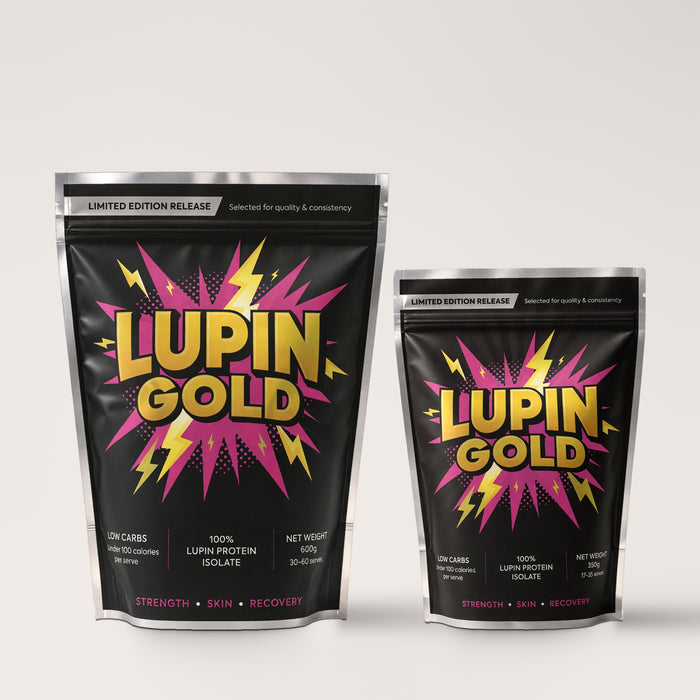
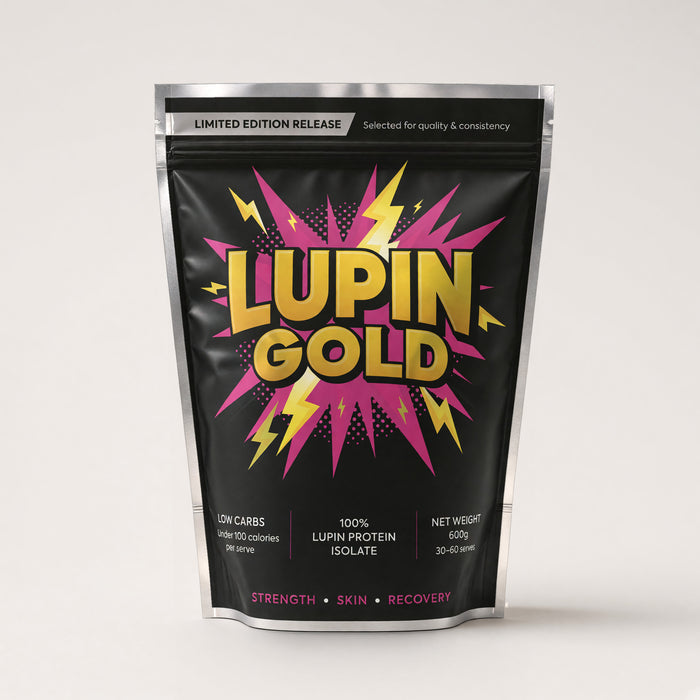
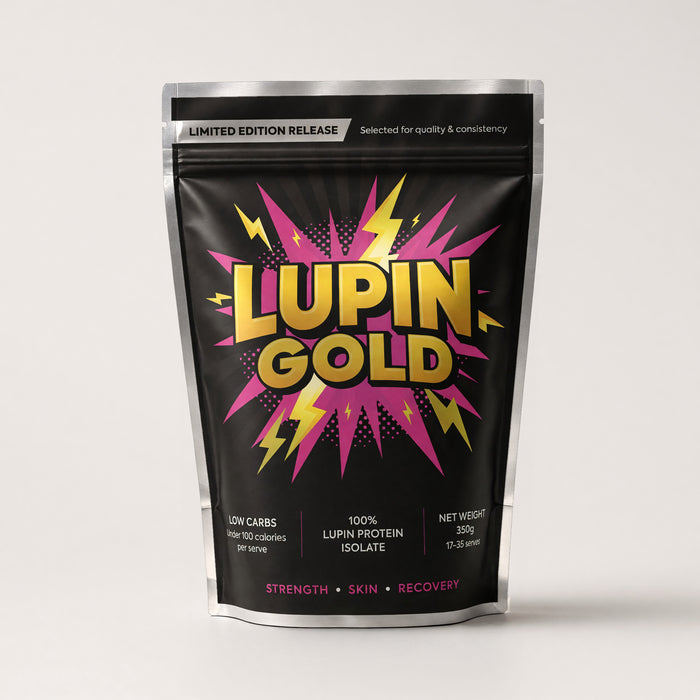
Every recipe here uses Lupin Gold, a single-ingredient lupin protein isolate at about 90% protein. It is unflavoured, so the balls taste of the peanut butter, Milo or banana rather than the powder, and it is free from dairy, soy, stevia, gums and fillers. Refined in Germany from European-grown lupins and packed in WA. Contains lupin (legume). See the unflavoured range.
Allergen note: lupin is a declared allergen in Australia. People with peanut or other legume allergies should review the allergen information page before use.
FAQs
Do protein balls need baking?
No. All four recipes here are no-bake. You mix, roll and chill them.
How much protein is in a protein ball?
It depends on the recipe and the size you roll. Ours range from 3.8 g to about 12 g per serve on the recipe cards. The Christmas pudding balls are mostly dates and nuts, so they sit at the low end; the peanut butter and Milo Weet-Bix balls sit higher.
What is the difference between protein balls and bliss balls?
Bliss balls are usually built on dates and nuts. Protein balls add a protein powder. The Christmas pudding balls are both: a date and pecan bliss ball with protein isolate blended in.
More recipes: all our high protein recipes - protein smoothie recipes - high protein breakfast ideas
Disclaimer: This article is for general information only. Protein figures are approximate and come from each recipe card. It is not individual medical or dietary advice - please speak with your healthcare professional for personalised guidance.